


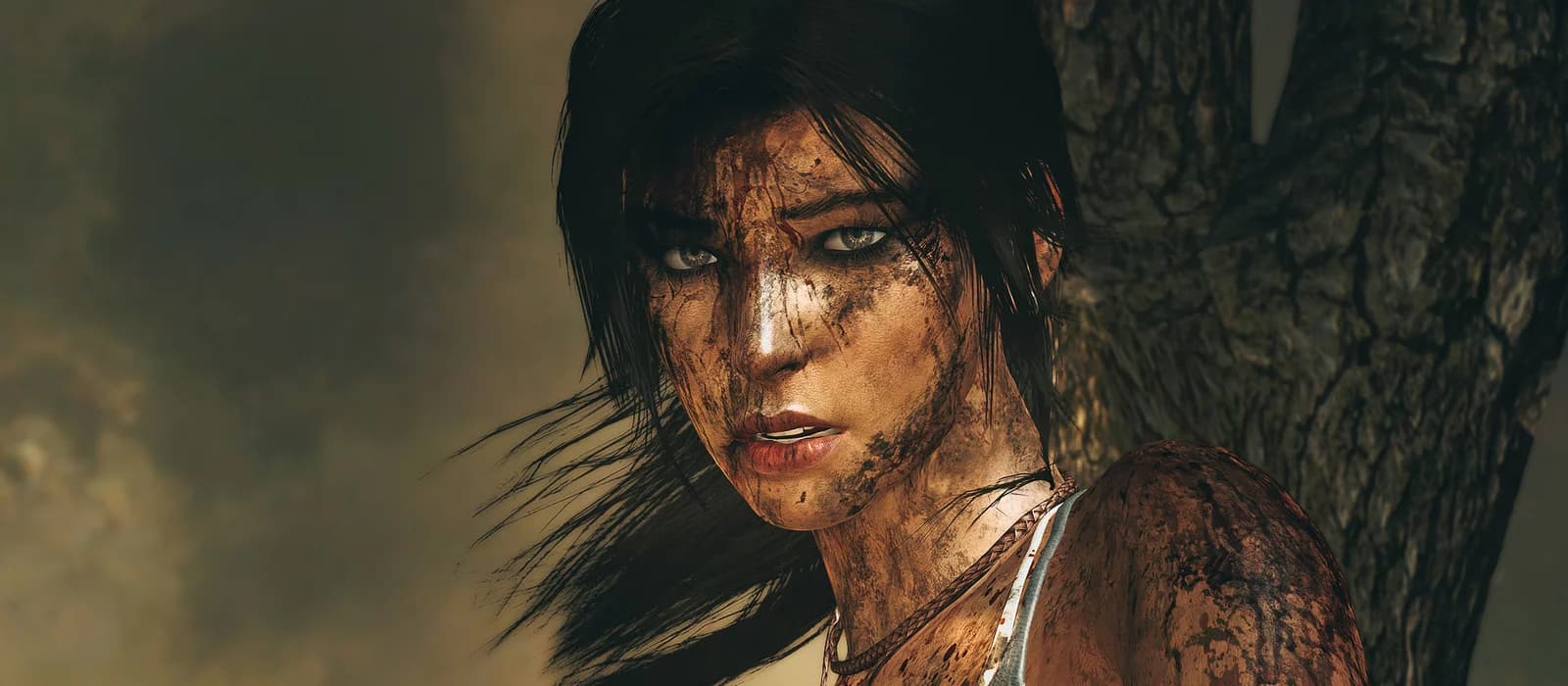
Feral Interactive, a studio renowned for its successful mobile ports of major PC games, has shared insights into its approach to adapting AAA titles for smartphones. This discussion emerged in an interview following the release of the mobile version of Tomb Raider (2013), where the developers elaborated on their process for selecting and transferring games.
During a conversation with YouTube channel creator MrMacRight, Feral Interactive revealed intriguing statistics: the vast majority of players (around 70-75%) prefer using touch controls on mobile devices. Only about 20% opt for gamepads, while keyboards and mice remain a niche option, utilized by merely 4% of users.
The experience of porting Tomb Raider represents the culmination of the studio’s systematic work. Feral Interactive initially focused on less dynamic projects, such as the stealth-action game Alien: Isolation, allowing them to refine their adaptation skills. They then progressed to more dynamic titles, like the Hitman series, before tackling a full-fledged action game. This gradual approach enabled them to meticulously develop touch controls for camera movement, shooting, dodging, and QTEs.
When selecting projects for porting, the studio targets what they call “stone classics” – AAA games from the PlayStation 3 era or early PlayStation 4. These titles still maintain a contemporary visual appeal while being optimized enough to run smoothly on modern mobile devices released within the last four to five years. On high-end smartphones, the performance and graphical quality of these ports can often rival console versions.
A prime example is the Tomb Raider port on an iPad Pro with an M4 chip, which showcases graphics quality surpassing the Nintendo Switch 2 version and supports a 120 FPS mode.
The team pays particular attention to the “thermal budget” of devices. This is a critical constraint in mobile development, as a smartphone must ensure stable operation for at least a 40-minute gaming session without overheating or performance degradation, even under demanding conditions.
Feral Interactive firmly believes that mobile versions should not be cut-down adaptations. For many users, smartphones and tablets serve as their primary gaming platform. Therefore, the developers’ main objective is to preserve the entire game, without compromise.
“When we bring these projects over, our goal is for it to be the whole Tomb Raider, not ‘the mobile version of Tomb Raider.’ No cut levels or modes – it’s the same game, just on a different device.”
— Feral Interactive