

Consumers may not anticipate a significant drop in component prices in the foreseeable future.
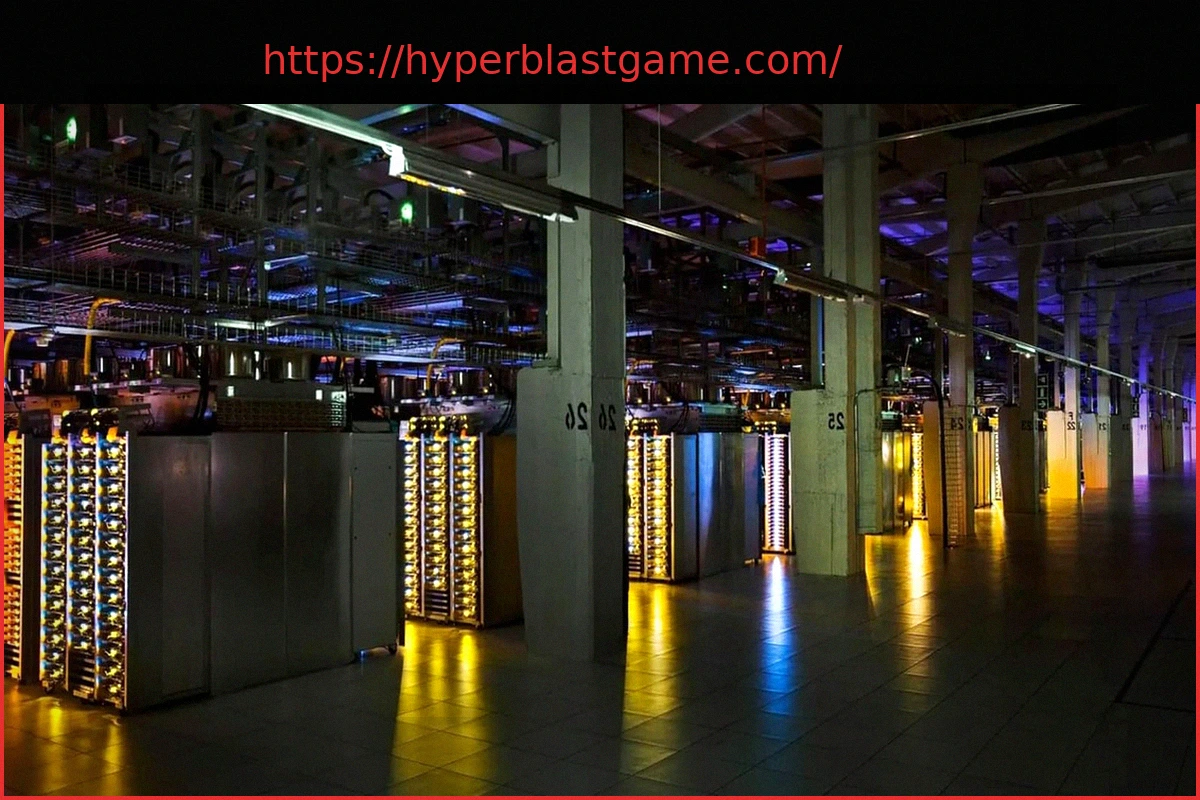
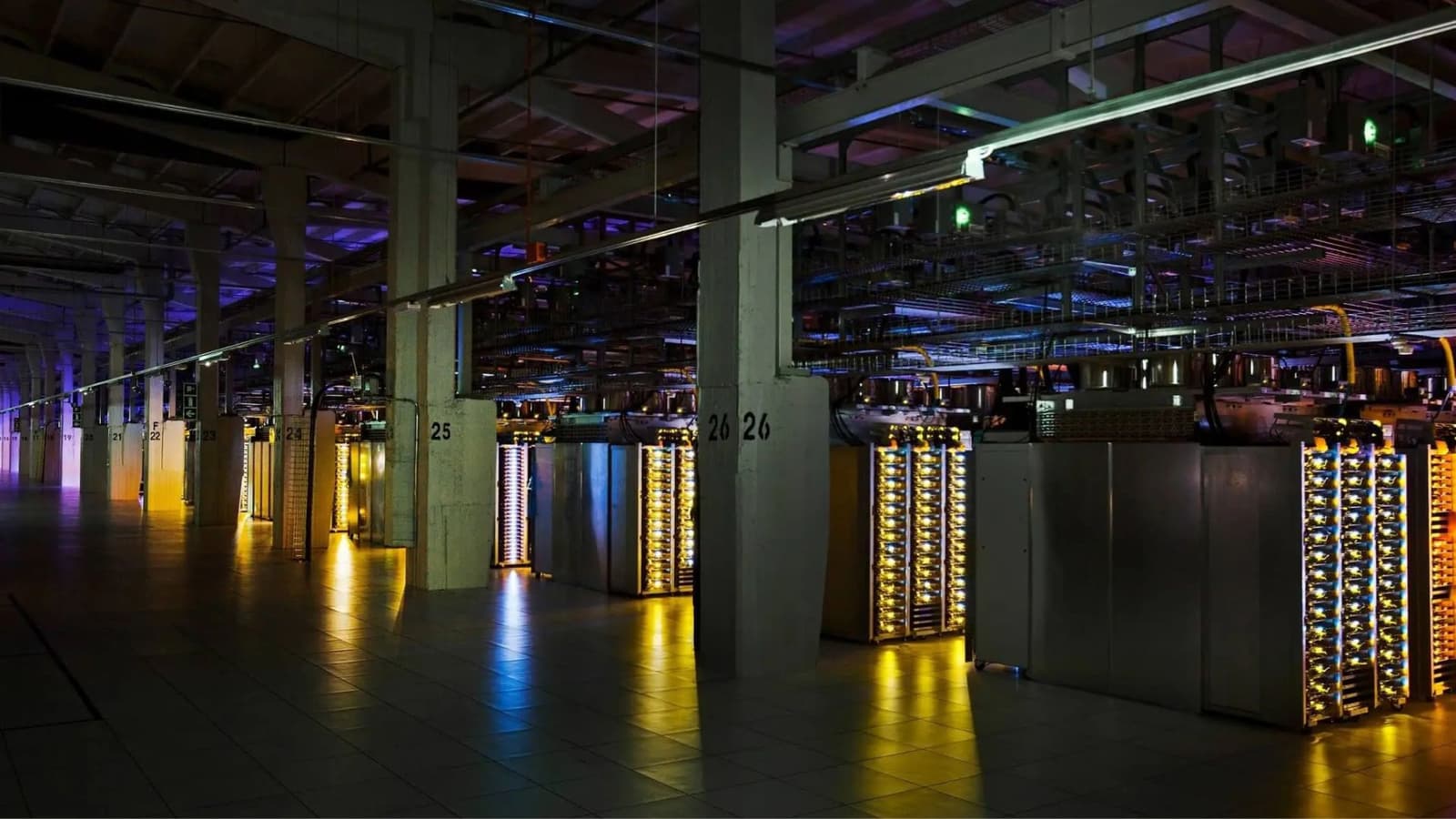
Contrary to recent discussions about a potential downturn in the memory market, major tech companies, known as hyperscalers, are actively securing long-term contracts for DRAM supplies, ensuring stable volumes for years ahead.
Earlier, the market was shaken by rumors that Google’s innovative TurboQuant compression algorithm could bring an end to the so-called “supercycle” in the memory industry. These speculations caused concern among retailers and investors, leading to a temporary decrease in the capitalization of sector companies and retail prices for DDR5. However, recent developments indicate that these fears were premature.
According to industry sources, South Korean SK Hynix is in the final stages of negotiations with Microsoft for a multi-billion dollar contract to supply DDR5 memory. This deal, valued at tens of trillions of won, is set to last for three years, starting this year.
Market analysts emphasize that such agreements point to two important trends. Firstly, manufacturers aim to secure stable demand and predictable revenues for years to come, enabling effective planning for capacity expansion. Secondly, the long-term nature of these contracts (up to three years) suggests that the current memory market growth cycle could extend longer than previously expected, possibly beyond 2028.
For hyperscalers, the priority is not cost minimization but rather ensuring guaranteed access to sufficient volumes of DRAM to maintain and develop their massive infrastructure. Memory expenditures, by some estimates, already account for over 30% of their total budget, clearly demonstrating the strategic importance of this component. Thus, the memory market is gradually transforming from a field of price competition into a race for access to limited supplies.