

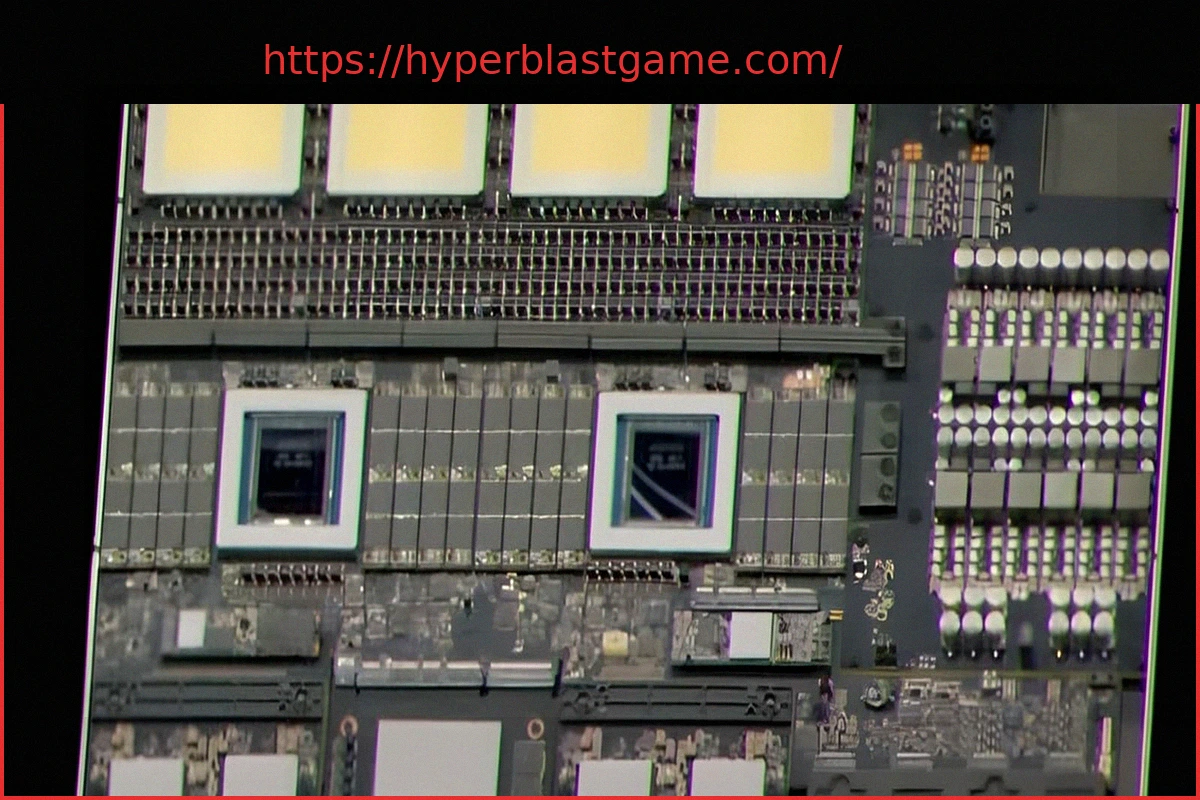
NVIDIA is reportedly making significant adjustments to the architecture of its upcoming Rubin Ultra graphics accelerator. According to Taiwanese media reports, these revisions are intended to mitigate supply chain complexities and enhance manufacturing stability.
Initially, the Rubin Ultra was anticipated to feature an ambitious four-chip design, utilizing four distinct dies. However, the company appears to be reverting to a two-chip configuration, similar to the standard Rubin variant. This decision comes despite NVIDIA’s official strategy of annual product refreshes, as manufacturing partners operate under tight timelines—typically 8 to 10 months. Such compressed schedules make radical architectural changes particularly challenging for the supply chain.
The original four-chip plan for Rubin Ultra involved 16 stacks of HBM4 memory, potentially totaling up to 1 TB, and sophisticated CoWoS-L packaging. This complex approach, however, presented increased risks, including potential overheating and warping, which could adversely affect chip yield.
Analysts emphasize that these design changes are not a result of declining demand or a downgrade in specifications. Rather, they represent a strategic shift from highly complex, multi-die integration within a single package to a more agile and flexible assembly at the board level, prioritizing manufacturing efficiency and reliability.