

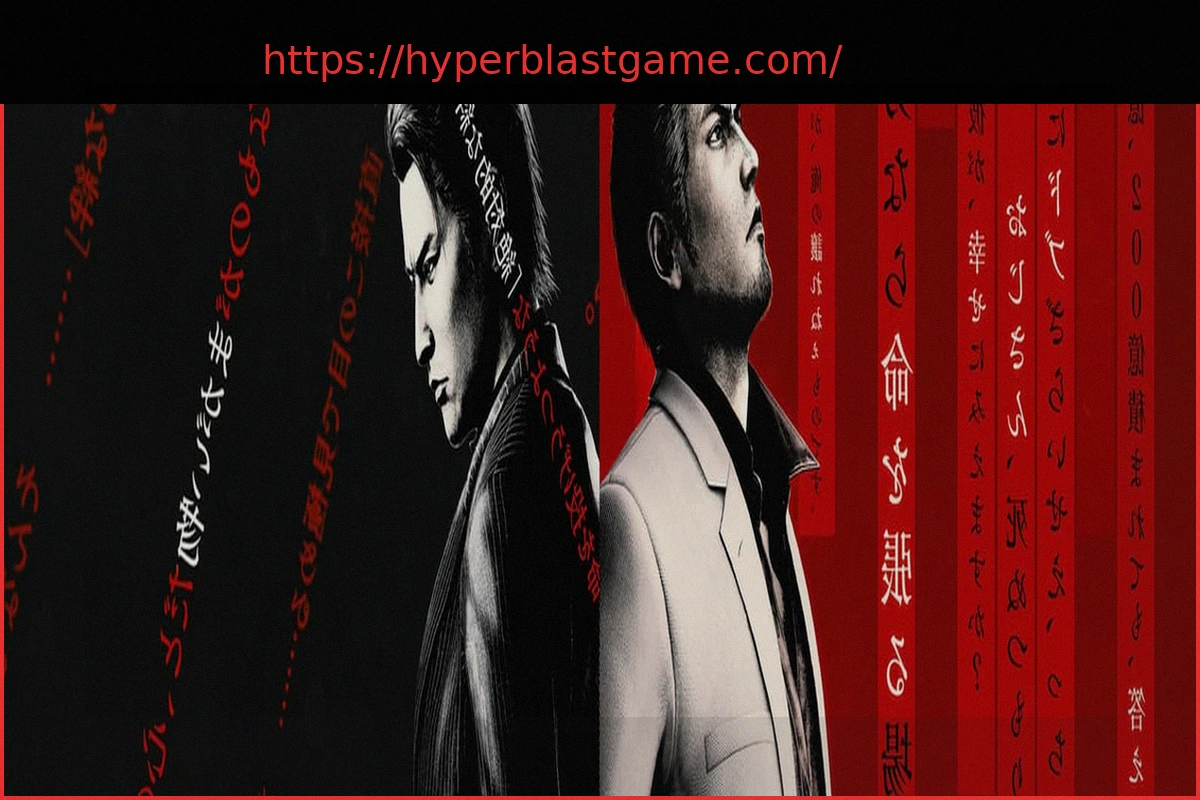
После своего релиза Yakuza Kiwami 3 столкнулась с волной критики, и пользовательские отзывы на старте были неоднозначными. Действительно ли ситуация настолько плоха? В этом обзоре мы рассмотрим главные претензии игроков и определим, насколько справедливо переиздание получило такую реакцию.
Новая концовка и намёки
После событий второй части Кирю Кадзума отошел от дел, передав руководство кланом Тодзё Дайго Додзиме и переехав на Окинаву. Легендарный якудза открыл небольшой приют для сирот, где сам заботится о детях.
Сюжет в ремейке претерпел некоторые изменения: были добавлены новые кат-сцены, а часть старых расширена. Большинство изменений носят косметический характер, за исключением концовки, которая вызвала наибольшее недовольство.
Новая сцена после титров значительно меняет развитие франшизы. Она затрагивает персонажа, который играет ключевую роль в Yakuza 4, инициируя события игры. В новой версии истории он уже не сможет этого сделать.
Неужели Ryu Ga Gotoku Studio намекает на Yakuza Kiwami 4, хотя ранее разработчики заявляли об отсутствии планов на ремейк «четвёрки»? А стоило бы, ведь сейчас это одна из наиболее устаревших частей серии, и нестыковки с Yakuza Kiwami 3 бросаются в глаза.
С другой стороны, разработчики уточнили, что завершена именно серия Kiwami. Это не исключает возможности будущих переизданий, которые могут быть представлены в другом формате.
Если не ремейк, то новый спин-офф, подобный Like a Dragon Gaiden: The Man Who Erased His Name, должен появиться. Ведь авторы прямо указывают на возвращение одного из ключевых героев Yakuza Kiwami 3, возможно, в следующей крупной части Like a Dragon.
Однако у нового финала есть и свой плюс — философская глубина. В нём поднимаются интересные размышления о Кирю Кадзуме: о его истинной сущности, желаниях и пройденном пути. Эти мысли заставляют переосмыслить судьбу протагониста, добавляя ей драматизма.
Меньше рутины, больше динамики
Несмотря на спорную концовку, сюжет всё же улучшился.
Проходя оригинальную Yakuza 3, я раздражался из-за рутинных бытовых поручений, вплетенных в основной сюжет. Например, значительную часть второй главы оригинала игрока вынуждали бегать туда-сюда, помогая детям в приюте. Это, конечно, позволяло ощутить их важность для Кирю, но совершенно не соответствовало ни стилю франшизы, ни её жанру.
В ремейке разработчики отодвинули рутину на второй план. Теперь управление приютом представляет собой отдельный набор мини-игр: помощь с домашним заданием, готовка, шитьё, выращивание овощей и так далее. Сюжеты детей, за которыми присматривает Кирю, также перекочевали сюда и были расширены.
Вместо этого в Kiwami 3 бывший якудза помогает банде байкеров с Окинавы. Их цель — стать самой сильной группировкой на острове и избавиться от конкурентов из столицы.
Хотя Кадзума всё равно переключается на детские заботы (в оригинале) или уличные разборки (в переиздании), разница ощутима. Теперь прохождение кажется намного динамичнее и не вызывает такого раздражения, как раньше.
Но всё это по-прежнему выглядит нелепо, когда главный герой отвлекается от жизненно важных проблем, чтобы помочь детям или байкерам. Это сильно сбивает темп повествования, вынуждая игрока отвлекаться от увлекательной основной истории.
Помощь банде заменила управление кабаре-клубом из оригинала. И это верное решение, поскольку в Yakuza Kiwami 2 уже была похожая мини-игра, корни которой уходят в Yakuza 0.
Динамики переизданию добавляет и прекрасный перевод. Персонажи постоянно используют грубые выражения, отлично вписывающиеся в сеттинг. Они оскорбляют друг друга, хвастаются и резко отвечают. Забавно обыграны и неприличные термины. Особенно запомнился момент с названием банды байкеров, к которой присоединился Кирю.
Dark Ties и её продолжительность
В комплекте с ремейком «тройки» идёт небольшая сюжетная кампания Dark Ties, посвящённая Ёситаке Минэ. Она рассказывает, как бывший бизнесмен пришёл в мир японского криминала и добился там успеха.
Помимо Ёситаки, хорошо дополняется образ Дайго Додзимы и объясняется, почему он стал так важен для Минэ. Достаточно экранного времени получил и Канда — один из антагонистов основной игры.
Кампания получила критику за низкую продолжительность. Она примерно такая же, как у мини-истории Мадзимы Горо в Yakuza Kiwami 2. Вся Dark Ties проходится за четыре часа и состоит из трёх глав. Начало хорошо вовлекает в историю, а в финале драматизм «Якудзы» проявляется во всей красе. Однако новая концовка основной игры портит впечатления, обесценивая философию и эмоции героев.
Но проблема не в низкой продолжительности. Основной сюжет Kiwami 3 проходится за 12–13 часов, и получить бонусную кампанию длиной в треть основной — неплохо. Ключевой недостаток в том, что половина этого времени лишняя. Авторы зачем-то добавили кучу обязательной рутины, без которой продвинуться дальше невозможно.
Понятно, когда основной сюжет знакомит игрока со второстепенными активностями или сюжетными линиями. Как в случае с Кирю и Мадзимой в Yakuza 0, где их бизнес-ветки начинались в главной истории, а потом игрок мог к ним вернуться отдельно. Но когда основное повествование тратит часы на гринд — это раздражает. Я бы предпочёл плотный сюжет на два часа такому растягиванию.
Ладно, если бы Dark Ties была отдельной короткой игрой, как Like a Dragon: Pirate Yakuza in Hawaii. Тогда добавить в неё побольше ответвлений было бы логично. Но ведь кампания про Минэ неотделима от большой Yakuza Kiwami 3. Оставьте скучные активности опциональными, кто захочет — тот выполнит.
Ещё один небольшой минус Dark Ties — лёгкое несоответствие событиям основной игры. Например, взаимодействие Минэ и Канды в сюжете Kiwami 3 отличается от того, что показано здесь. Ведь здоровяк много раз видел Минэ в бою.
Три персонажа и их новый дизайн
Спорной частью ремейка стали изменённые дизайны персонажей. Всего их трое: Го Хамадзаки, Сигэру Накахара и Симабукура Рикия.
Го Хамадзаки — один из антагонистов. В оригинале он выглядел как классический бандит, не брезгующий жестокими методами. По лицу персонажа сразу было понятно, что с ним лучше не связываться.
Новый облик Хамадзаки более сдержанный. Он выглядит как приличный человек из мира бизнеса. Но актёр постарался, и теперь Го – не просто вышибала с улицы, дорвавшийся до власти, а искусный манипулятор. Он ведёт свою игру, и по его мимике не скажешь, что он задумал.
Таким персонаж и должен быть. Новый Хамадзаки вызывает самые мерзкие чувства при взгляде на него. И это намного лучше, чем брутальный «мордоворот» из первоисточника.
Сигэру Накахара — патриарх семьи Рюдо на острове Окинава. Раньше персонаж выглядел как завсегдатай мест не столь отдалённых. Он выставлял напоказ свои татуировки и буравил протагониста суровым взглядом, будучи при этом относительно неплохим человеком.
Изменённый образ героя меняет восприятие. Теперь это скорее сломленный человек, что видно по его эмоциям. Он прячет свои татуировки и ведёт себя неуверенно. Это отлично подходит ему в паре сюжетных сцен. Вспоминается момент, когда его приёмная дочь пропала, а он сомневался, стоит ли её искать.
Симабукура Рикия — капитан семьи Рюдо, который значительную часть игры следует за Кирю. И если в двух предыдущих случаях новый и старый образы были одинаково хороши (всё зависит от вашего вкуса и восприятия персонажей), то изменение дизайна Рикии — это провал.
Ситуация с ним противоположна Накахаре. В старой игре это был юноша, по которому совсем не скажешь, что он бандит. Пусть он и дерзил при первой встрече, но не вызывал чувства отторжения.
Новый образ больше похож на хулигана. Это видно по чертам лица, словно говорящим незнакомцу: «Я опасен». Но сюжетная линия героя больше подходит именно старой внешности.
Как и его патриарх, Рикия не уверен в себе. Подобно своей незавершённой татуировке, он не знает, на что способен, и не готов к жизни. А тату-мастер отказывается её закончить, прямо обозначая проблему.
Новый Рикия пытается соответствовать своей истории, но получается так себе. Эта внешность отталкивает, почти как у Хамадзаки. Только там это было уместно, а здесь страдания героя кажутся вымученными, отчего сопереживать ему сложно. Конечно, можно привыкнуть, но разница со старым образом всё равно заметна.
Кирю дерётся как в Dark Souls, а Минэ как в DMC
Досталось и боевой системе. Авторы попытались соединить лучшее сразу из трёх игр: оригинальной Yakuza 3, Yakuza 6 и Like a Dragon Gaiden: The Man Who Erased His Name. По мнению некоторых игроков, «задумка классная, но реализация хромает».
Мне сражения в ремейке понравились. Тут у Кирю есть два боевых стиля.
Легендарный стиль Дракона Додзимы знаком фанатам с самой первой игры. Это мощные и эффектные удары, пробивающие защиту врага. Самое то для битв против здоровяков и боссов.
Дракон Додзимы делает упор на уклонения. В Yakuza Kiwami 3, как и в оригинальной игре, противники любят вставать в блок, хотя здесь это выглядит скорее как отсылка. Уворачиваясь от ударов, игрок открывает окно для нанесения урона врагам. Особенно если делать идеальные уклонения, нажимая кнопку в последний момент.
Стиль Рюкю — новый. Кадзума использует несколько видов оружия: нунчаки, тонфу, сай и текко. Примерно как стиль агента в Like a Dragon Gaiden, заточенный под гаджеты. Идеально, чтобы разбрасывать толпы слабых противников.
Понравились механики и анимации Рюкю. Вместо отскоков Кирю использует перекаты и может блокировать вражеские атаки щитом. А уклонения заменяются парированием, что тоже открывает врагов для урона. Внешне это напоминает игры серии Dark Souls, хотя «соулс-лайком» тут и не пахнет.
Оба стиля позволяют прочувствовать мощь и понять, почему Кирю Кадзума — легенда мира якудза. Он летает из угла в угол боевой арены и уничтожает всех противников, не поведя и бровью. Впрочем, это зависит от навыков игрока.
У Кирю есть особый режим — «Усиление дракона». Накопив особую шкалу, можно включить его, значительно усилив и слегка изменив движения Кадзумы. А под конец провести мощное добивание. Правда, эта идея пришла из пиратской игры про Мадзиму.
Обидно, что обычных добиваний стало меньше. В ремейке почти всю игру Кирю использует одни и те же завершения, которые быстро приедаются. Разработчики подкрутили анимации сражений, но главную их особенность, придававшую игре больше веселья, порезали.
Сражения за Минэ более ураганные. Он совершает пируэты и разбрасывает врагов в разные стороны.
У него тоже есть режим усиления — «Тёмное пробуждение». Причём использовать его можно чаще, чем у Кирю, ведь у Минэ есть несколько ячеек этой шкалы. Режим не только изменяет анимации Ёситаки, но и включает на фоне зажигательную музыку, добавляя битвам эмоций. Прямо как в Devil May Cry, только без монстров.
Графика и её фильтры
Внешний вид тоже критикуют. Фанаты не оценили визуальные фильтры и цветовую палитру переиздания.
Ругают зелёный фильтр из ремейков первой и второй частей, а также высокую контрастность из Pirate Yakuza in Hawaii. Делает ли это графику в Yakuza Kiwami 3 плохой?
Зелёный фильтр приближает картинку к двум предыдущим частям. Если, например, вы будете проходить все ремейки подряд, то не заметите разницу. А высокая контрастность уместна потому, что эта игра тоже разворачивается в солнечных декорациях. А те проблемы с освещением, которые были в демо-версии, до релиза не добрались.
Но в Yakuza Kiwami 3 добавили ещё и синий фильтр в Камуро-тё. Ему досталось даже больше, хотя идея интересная.
Синий цвет показывает разницу между тёплой и приятной Окинавой и холодным и жестоким Токио. Но используется этот фильтр только в игровом процессе, а вот кат-сцены остались нетронутыми, что бьёт по глазам. Нужно было применить его везде или не использовать вовсе.
Главные проблемы игры
Весомых недостатков у Yakuza Kiwami 3 два.
Если вы играли в недавние проекты серии, то сразу заметите вторичность. Студия Ryu Ga Gotoku известна использованием ассетов и механик от игры к игре. Это заметно с самых старых частей франшизы, но сейчас они зашли слишком далеко.
Лучший пример — знакомства через телефон. Гуляя по игровому миру, вы будете натыкаться на NPC, с которыми можно подружиться в социальных сетях. Зажимаете кнопку, наводитесь, и всё, вы — друзья. Но это используется уже в третьей игре подряд: Like a Dragon: Infinite Wealth, Like a Dragon: Pirate Yakuza in Hawaii и Yakuza Kiwami 3. Первым двум играм это подходит, поскольку их события происходят в одном месте и с небольшой разницей во времени. Но здесь эта механика лишняя.
С переодеваниями также. Хорошо, когда можно кастомизировать главного героя, как хочется. Но в Pirate Yakuza in Hawaii эта возможность подавалась точно так же. Буквально слово в слово, сцена в сцену. Протагонист знакомится с владельцем бара, тот выделяет ему комнату и говорит: «Я тут шмоток накупил, но сам не ношу, так что не стесняйся их брать. Ты даже поможешь, если избавишь меня от них».
Охота за головами хороша. Игрок находит на карте разыскиваемого бандита и побеждает его за деньги. Но и эта механика родом из игры про Мадзиму. Благо, в этот раз обосновали её иначе.
Другая большая проблема — это побочные задания. И она куда серьёзнее. В оригинальной Yakuza 3 было 119 сторонних поручений, а в ремейке их осталось всего 31. При этом часть из них ознакомительная.
Неужели разработчики пожалели денег, чтобы перенести дополнительные миссии в ремейк? Некоторые из них продолжали побочные задания из предыдущих частей. А другие раскрывали героев из основной игры: Рикию или Митио. Их тоже вырезали, из-за чего эти персонажи лишились души.
Побочные задания — важная часть шарма франшизы. Они создавали контраст с основным сюжетом. Если главная история в «Якудзах» всегда была криминальной драмой, то сторонние миссии — нелепыми и дикими сценками. В них главный герой мог давать интервью, помогать со съёмками музыкального клипа, участвовать в озвучке игры для взрослых и многое другое. Хотя встречались и глубокие, показывающие тяготы жизни простых людей. Здесь это потеряно.
Парочку новых поручений всё же придумали, но новое наполнение игры не заменило старое. Знакомства, к примеру, вытеснили шикарные «Откровения» из оригинальной «тройки». Это были уморительные сценки, которые Кирю фотографировал и публиковал в сети с нелепыми комментариями. Некоторые из них стали известными мемами. Особенно про бабушку, которая совершила кульбит на мотороллере, заглядевшись на плакат любимого актёра. Это даже звучит смешно — всё в духе франшизы. А что дают игроку знакомства? Ничего.
Вердикт
Yakuza Kiwami 3 — неплохой ремейк. Авторы переосмыслили подачу основной истории, сделав её более динамичной, поскольку детские проблемы теперь опциональны.
Новая концовка намекает на будущие проекты, поэтому судить о ней негативно пока рано.
Мини-кампания Dark Ties раскрывает Минэ и детальнее показывает внутреннюю кухню клана Тодзё. А это всегда интересно. Хоть и придётся побегать по Камуро-тё пару лишних часов, выполняя глупые поручения.
Боевая система стала лучше, чем в оригинальной игре. Старый стиль теперь более разнообразен в плане анимаций, а новый позволяет расправляться с десятками врагов.
Сражения за Минэ — золотая середина: быстро и сильно, эффектно и эффективно. Да и под отличный саундтрек.
Обновлённый дизайн персонажей уместен в двух случаях из трёх. А новая графика — это стиль ремейков франшизы. Но синий фильтр нужно было использовать и в кат-сценах.
Проблемы проекта заслуживают критики. Но они не делают игру настолько плохой, как о ней думают.
Главный недостаток Kiwami 3 — это вырезание побочных заданий, что повлияло и на шарм игры, и на ключевых героев. А новый контент не смог полноценно заменить старый. Вторичность проекта и механики из предыдущих игр бросаются в глаза.
Отдельный разговор — высокая стоимость, поскольку вам придётся выложить 60 долларов. А в российских реалиях эта цифра трансформируется в «прекрасные» 5500-5800 рублей. Стоит ли ремейк таких денег? Нет. Но по скидке — однозначная рекомендация!
Yakuza Kiwami 3: Not As Bad As Rumored, But With Two Fatal Flaws
Upon its release, Yakuza Kiwami 3 was met with a barrage of criticism, and initial user reviews were mixed. But is it truly as bad as proclaimed? In this review, we’ll delve into players’ main grievances and assess whether the remake truly deserves such a strong reaction.
New Ending and Hints
After the events of the second installment, Kazuma Kiryu stepped down, handing over leadership of the Tojo Clan to Daigo Dojima and relocating to Okinawa. The legendary yakuza opened a small orphanage, personally caring for the children.
The remake’s plot saw some changes: new cutscenes were added, and some existing ones were expanded. Most alterations are cosmetic, with the exception of the ending, which drew the most criticism.
The new post-credits scene significantly alters the franchise’s narrative. It impacts a character who plays a crucial role in Yakuza 4, initiating that game’s events. In this new version of the story, that character will no longer be able to do so.
Is Ryu Ga Gotoku Studio hinting at Yakuza Kiwami 4, even though developers previously stated there were no plans for a remake of the “fourth” game? It would be worthwhile, as it’s currently one of the series’ most outdated entries, and inconsistencies with Yakuza Kiwami 3 are glaring.
On the other hand, the developers clarified that only the Kiwami series itself is complete. This doesn’t rule out the possibility of future remakes presented in a different format.
If not a remake, then a new spin-off, similar to Like a Dragon Gaiden: The Man Who Erased His Name, should certainly emerge. The creators explicitly suggest that a key Yakuza Kiwami 3 character will return, possibly in the next major Like a Dragon title.
However, the new ending also has a positive side – its philosophical depth. It raises interesting reflections on Kazuma Kiryu: his true nature, his desires, and the path he has traveled. These thoughts compel a reevaluation of the protagonist’s destiny, adding a layer of drama to it.
Less Drudgery, More Dynamics
Despite the controversial ending, the plot has undeniably improved.
While playing the original Yakuza 3, I was frustrated by the mundane daily chores woven into the main storyline. For instance, for a significant portion of the original’s second chapter, players were forced to run back and forth, assisting children at the orphanage. While this certainly conveyed their importance to Kiryu, it completely failed to align with either the franchise’s style or its genre.
In the remake, the developers shifted the routine to the background. Now, managing the orphanage involves a separate set of mini-games: helping with homework, cooking, sewing, growing vegetables, and so on. The stories of the children Kiryu cares for were also moved here and expanded.
Instead, in Kiwami 3, the former yakuza assists an Okinawan biker gang. Their goal is to become the strongest group on the island and eliminate rivals from the capital.
While Kazuma still switches between caring for children (in the original) or street brawls (in the remake), the difference is palpable. The gameplay now feels much more dynamic and less irritating than before.
Yet, it still appears awkward when the protagonist diverts from vital issues to help children or bikers. This significantly disrupts the narrative pace, forcing the player away from the engaging main story.
Assisting the biker gang replaced the cabaret club management from the original. This was a sensible decision, as Yakuza Kiwami 2 already featured a similar mini-game, with roots tracing back to Yakuza 0.
The remake’s excellent translation also adds to its dynamism. Characters constantly use crude language that perfectly fits the setting. They insult each other, boast, and respond bluntly. Impolite terms are also comically handled. A memorable moment involved the name of the biker gang Kiryu joined.
Dark Ties and Its Length
Included with the “third” remake is a short story campaign, Dark Ties, focusing on Yoshitaka Mine. It chronicles how the former businessman entered the world of Japanese crime and achieved success there.
Beyond Yoshitaka, the portrayal of Daigo Dojima is well-supplemented, explaining why he became so important to Mine. Kanda, one of the main game’s antagonists, also received ample screen time.
The campaign was criticized for its short duration. It’s roughly the same length as Goro Majima’s mini-story in Yakuza Kiwami 2. The entire Dark Ties can be completed in four hours and consists of three chapters. The beginning effectively draws you into the story, and the finale showcases the full drama of “Yakuza.” However, the main game’s new ending spoils the experience, devaluing the philosophy and emotions of the characters.
But the problem isn’t the short duration. The main story of Kiwami 3 takes 12–13 hours to complete, and getting a bonus campaign that’s a third of that length is not bad. The key drawback is that half of this time is superfluous. For some reason, the developers added a lot of mandatory grind that prevents further progress.
It’s understandable when the main story introduces the player to side activities or storylines. Like with Kiryu and Majima in Yakuza 0, where their business arcs began in the main story, and then the player could return to them separately. But when the main narrative spends hours on grinding – that’s frustrating. I would prefer a dense two-hour story to such padding.
Fine, if Dark Ties were a standalone short game, like Like a Dragon: Pirate Yakuza in Hawaii. Then adding more branching paths would be logical. But the Mine campaign is inseparable from the larger Yakuza Kiwami 3. Keep the tedious activities optional; whoever wants to, can complete them.
Another minor flaw in Dark Ties is a slight inconsistency with the events of the main game. For example, the interaction between Mine and Kanda in Kiwami 3’s plot differs from what is shown here. After all, the big brute had seen Mine in combat many times.
Three Characters and Their New Design
A contentious aspect of the remake was the altered character designs. There are three in total: Go Hamazaki, Shigeru Nakahara, and Shimabukuro Rikiya.
Go Hamazaki is one of the antagonists. In the original, he looked like a classic gangster who wasn’t averse to brutal methods. His face immediately conveyed that he was not someone to mess with.
Hamazaki’s new look is more subdued. He appears as a respectable man from the business world. But the actor put in the effort, and now Go isn’t just a street thug who clawed his way to power, but a cunning manipulator. He plays his own game, and his facial expressions give no hint of his intentions.
This is how the character should be. The new Hamazaki evokes the most vile feelings upon sight. And this is much better than the brutal “thug” from the original source.
Shigeru Nakahara is the patriarch of the Ryudo family on Okinawa Island. Previously, the character looked like a regular at places not so distant. He flaunted his tattoos and glared at the protagonist with a stern gaze, despite being a relatively decent person.
The altered image of the hero changes perception. Now he appears more like a broken man, evident in his emotions. He hides his tattoos and acts insecure. This suits him perfectly in a couple of story scenes. One recalls the moment his adopted daughter went missing, and he hesitated whether to look for her.
Shimabukuro Rikiya is the captain of the Ryudo family, who follows Kiryu for a significant part of the game. And while in the previous two cases, both new and old designs were equally good (depending on your taste and perception of the characters), the change in Rikiya’s design is a failure.
His situation is the opposite of Nakahara’s. In the old game, he was a young man who didn’t look like a gangster at all. Even if he was insolent at their first meeting, he didn’t evoke a feeling of repulsion.
The new image looks more like a hooligan. This is evident in his facial features, as if telling a stranger: “I am dangerous.” But the character’s storyline is better suited to his old appearance.
Like his patriarch, Rikiya is insecure. Similar to his unfinished tattoo, he doesn’t know what he’s capable of and isn’t ready for life. And the tattoo artist refuses to finish it, directly pointing out the problem.
The new Rikiya tries to match his story, but it doesn’t quite work. This appearance is off-putting, almost like Hamazaki’s. Only there it was appropriate, while here the hero’s suffering seems forced, making it difficult to empathize with him. Of course, one can get used to it, but the difference from the old image is still noticeable.
Kiryu Fights Like Dark Souls, Mine Like DMC
The combat system also received criticism. The developers attempted to combine the best elements from three games: the original Yakuza 3, Yakuza 6, and Like a Dragon Gaiden: The Man Who Erased His Name. According to some players, “the concept is great, but the execution is lacking.”
I personally enjoyed the battles in the remake. Kiryu has two combat styles here.
The legendary Dragon of Dojima style is familiar to fans since the very first game. These are powerful and spectacular blows that pierce enemy defenses. Perfect for battles against tough opponents and bosses.
The Dragon of Dojima style emphasizes evasions. In Yakuza Kiwami 3, just like in the original game, enemies like to block, although here it looks more like a homage. By dodging attacks, the player opens a window to deal damage to enemies. Especially if perfect dodges are performed by pressing the button at the last moment.
The Ryukyu style is new. Kazuma uses several types of weapons: nunchaku, tonfa, sai, and tekko. Much like the Agent style in Like a Dragon Gaiden, which is geared towards gadgets. Ideal for scattering crowds of weak enemies.
I liked the Ryukyu mechanics and animations. Instead of backsteps, Kiryu uses rolls and can block enemy attacks with a shield. And dodges are replaced by parries, which also open up enemies for damage. Visually, it resembles Dark Souls series games, though it’s not a “soulslike” by any stretch.
Both styles allow one to feel the power and understand why Kazuma Kiryu is a legend in the yakuza world. He flies from corner to corner of the combat arena and annihilates all opponents without batting an eye. However, this depends on the player’s skill.
Kiryu has a special mode — “Dragon Boost.” By accumulating a special gauge, he can activate it, significantly enhancing and slightly altering Kazuma’s movements. And at the end, perform a powerful finisher. However, this idea came from a pirate game featuring Majima.
It’s a shame that there are fewer regular finishers. In the remake, Kiryu uses the same few finishing moves almost the entire game, which quickly become repetitive. The developers tweaked the combat animations, but they cut the main feature that added more fun to the game.
Battles for Mine are more frantic. He performs pirouettes and throws enemies in all directions.
He also has an enhancement mode — “Dark Awakening.” Moreover, he can use it more often than Kiryu, as Mine has several slots for this gauge. The mode not only changes Yoshitaka’s animations but also plays catchy music in the background, adding emotions to the battles. Just like in Devil May Cry, but without monsters.
Graphics and Its Filters
The visual presentation also draws criticism. Fans were not impressed with the remake’s visual filters and color palette.
The green filter from the first and second remakes, as well as the high contrast from Pirate Yakuza in Hawaii, are often criticized. Does this make the graphics in Yakuza Kiwami 3 bad?
The green filter brings the visuals closer to the two previous installments. If, for example, you play all the remakes consecutively, you won’t notice a difference. And the high contrast is appropriate because this game also unfolds in sunny settings. The lighting issues present in the demo version did not make it to the release.
However, Yakuza Kiwami 3 also added a blue filter in Kamurocho. It received even more criticism, although the idea is interesting.
The blue color highlights the contrast between the warm and pleasant Okinawa and the cold and cruel Tokyo. But this filter is only used during gameplay, while cutscenes remain untouched, which is jarring. It should have been applied everywhere or not used at all.
The Game’s Main Problems
Yakuza Kiwami 3 has two significant drawbacks.
If you’ve played recent entries in the series, you’ll immediately notice the repetitiveness. Ryu Ga Gotoku Studio is known for reusing assets and mechanics from game to game. This has been evident since the oldest installments of the franchise, but now they’ve gone too far.
The best example is phone contacts. Walking through the game world, you’ll stumble upon NPCs with whom you can become friends on social media. Hold down a button, target them, and voilà, you’re friends. But this has been used in three consecutive games: Like a Dragon: Infinite Wealth, Like a Dragon: Pirate Yakuza in Hawaii, and Yakuza Kiwami 3. It fits the first two games because their events occur in the same location and with little time difference. But here, this mechanic is superfluous.
The same goes for costume changes. It’s great when you can customize the protagonist however you want. But in Pirate Yakuza in Hawaii, this feature was presented in exactly the same way. Literally word for word, scene for scene. The protagonist meets a bar owner, who gives him a room and says, “I bought a bunch of clothes, but I don’t wear them myself, so feel free to take them. You’ll even help me out by getting rid of them.”
Bounty hunting is good. The player finds a wanted gangster on the map and defeats him for money. But this mechanic also originates from the Majima game. Fortunately, it was justified differently this time.
Another major problem is side quests. And it’s far more serious. The original Yakuza 3 had 119 side missions, but the remake only has 31. Moreover, some of them are merely introductory.
Did the developers really skimp on funds to transfer additional missions to the remake? Some of them continued side quests from previous installments. Others revealed characters from the main game: Rikiya or Michio. They were also cut, leaving these characters devoid of soul.
Side quests are a crucial part of the franchise’s charm. They created a contrast with the main story. While the main narrative in “Yakuza” was always a crime drama, the side missions were absurd and wild vignettes. In them, the protagonist could give interviews, help film a music video, participate in voice acting for adult games, and much more. Though some were deep, showing the hardships of ordinary people’s lives. Here, that is lost.
A couple of new assignments were invented, but the new game content couldn’t fully replace the old. Phone contacts, for instance, supplanted the magnificent “Revelations” from the original “third” game. These were hilarious scenes that Kiryu photographed and published online with ridiculous comments. Some of them became famous memes, especially the one about the old woman who performed a somersault on a scooter after staring at a poster of her favorite actor. It even sounds funny – all in the spirit of the franchise. And what do contacts give the player? Nothing.
Verdict
Yakuza Kiwami 3 is a decent remake. The developers reimagined the presentation of the main story, making it more dynamic by making children’s problems optional.
The new ending hints at future projects, so it’s too early to judge it negatively.
The Dark Ties mini-campaign delves into Mine’s character and provides a more detailed look into the inner workings of the Tojo Clan. And that’s always interesting. Although you’ll have to run around Kamurocho for a couple of extra hours doing silly errands.
The combat system is better than in the original game. The old style is now more diverse in terms of animations, and the new one allows you to deal with dozens of enemies.
Mine’s battles strike a perfect balance: fast and powerful, spectacular and effective, all set to an excellent soundtrack.
The updated character designs are appropriate in two out of three cases. And the new graphics are consistent with the style of the franchise’s remakes. However, the blue filter should have been used in cutscenes as well.
The project’s issues are worthy of criticism. But they don’t make the game as bad as some perceive it to be.
Kiwami 3’s main flaw is the removal of side quests, which impacted both the game’s charm and key characters. And the new content couldn’t fully replace the old. The project’s repetitiveness and mechanics borrowed from previous games are glaring.
A separate point is the high price, as you’ll have to shell out 60 dollars. And in Russian realities, this figure translates to a “lovely” 5500-5800 rubles. Is the remake worth that much money? No. But on sale – it’s an unequivocal recommendation!