AMD Prepares Integrated Graphics to Challenge Entry-Level Discrete GPUs – Leak
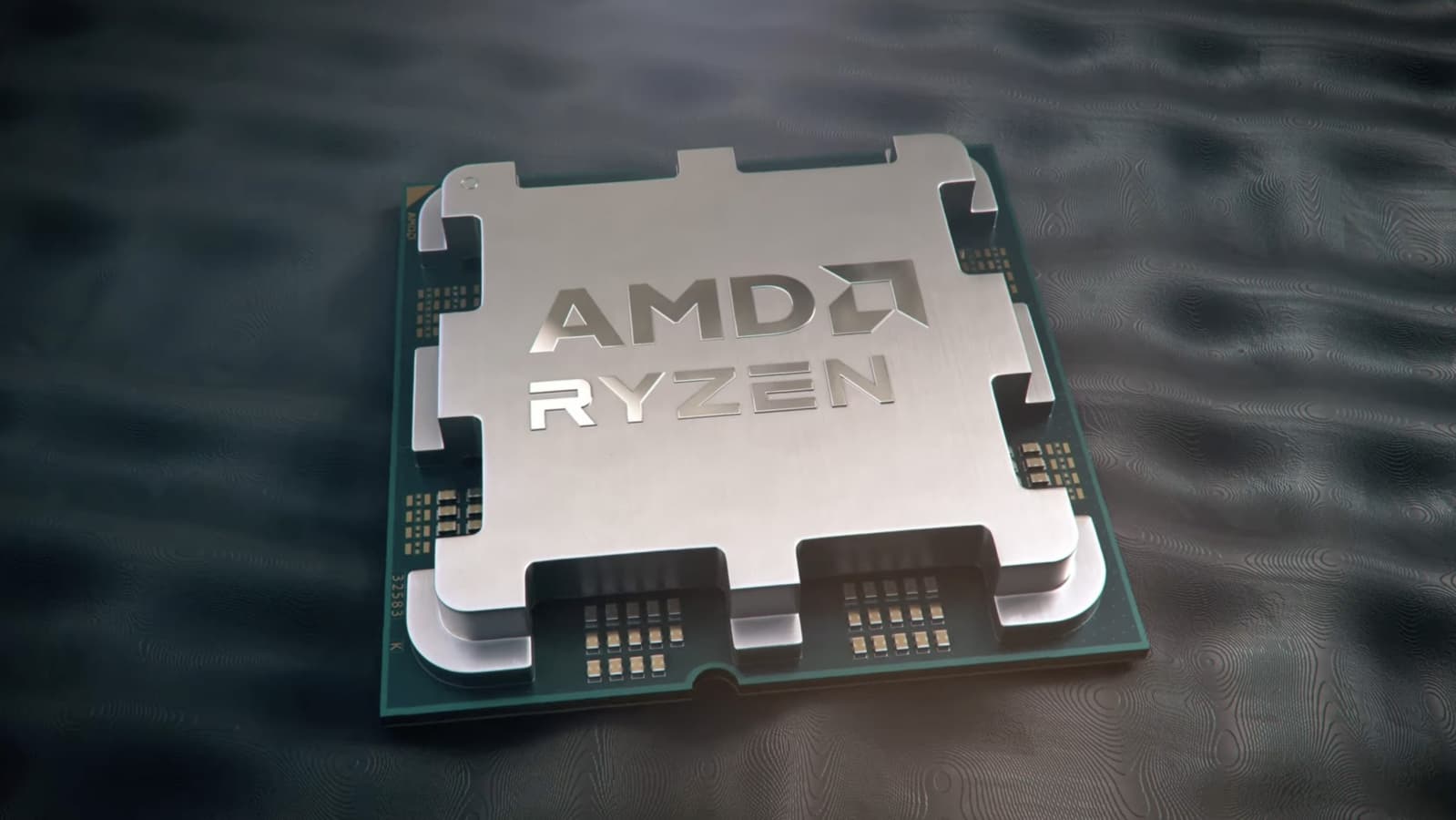
AMD is reportedly making significant strides in the development of its next-generation integrated graphics solutions. Recent updates to the LLVM compiler for Linux have unveiled new hardware identifiers: GFX1171 and GFX1172. These discoveries, alongside the previously found GFX1170, confirm that AMD is actively working on an extensive range of devices based on the RDNA 4m architecture.
Code analysis suggests that this particular family represents a technological advancement positioned between RDNA 3.5 and the full RDNA 4. Despite retaining the internal GFX11 nomenclature, these new cores incorporate instructions typical of more modern architectural designs.
Crucial enhancements include hardware support for FP8 and BF8 data formats, as well as WMMA matrix operations. These improvements are vital for artificial intelligence workloads, particularly for the upcoming FSR 4 upscaling technology, which is expected to heavily leverage neural networks and machine learning capabilities.
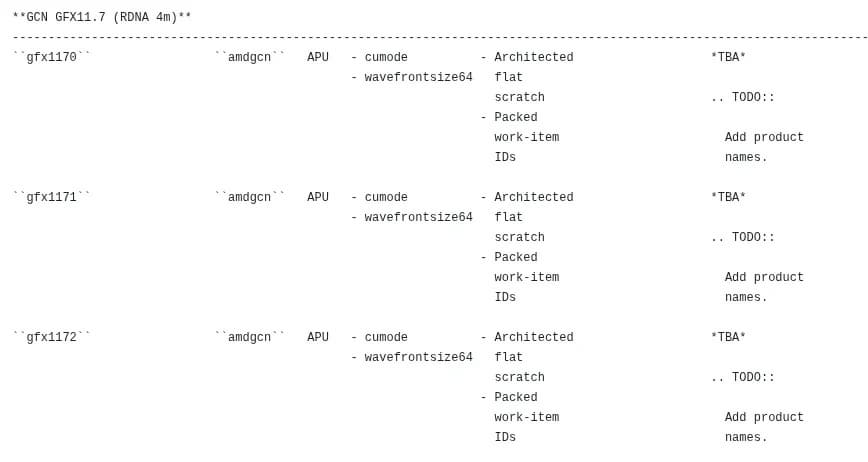
It is anticipated that RDNA 4m graphics will be featured in the forthcoming Medusa Point mobile processors, built upon Zen 6 cores, succeeding the current Strix Point chips. In parallel, AMD is also advancing its high-end Medusa Halo lineup, which promises a substantial generational leap by utilizing the RDNA 5 architecture and ultra-fast LPDDR6 memory.
The title hints at AMD's ambitious goal of creating integrated graphics capable of directly competing with and potentially "killing off" the market for entry-level discrete graphics cards.
Fresh materials — Gaming News

No More Robots' Nine-Year Journey to Releasing Their First Self-Developed IP: "This Sounds So Naive and Stupid, But Somehow It's Working"
It has been nine years since Mike Rose founded the indie game publisher No More Robots. The company has achieved considerable success, partly thanks to its back catalog, which includes the popular bike-riding game Descenders, the inaugural release under the No More Robots banner and a
Blizzard Workers Ratify First Union Contract with Microsoft
Blizzard Entertainment, now under the ownership of Microsoft, has successfully negotiated and ratified its inaugural union contract. This landmark agreement was approved by a workforce vote encompassing just under 1,900 staff members. The newly established contract introduces s

Lego Digital Play Acquires Mobile Studio Offroad Games
Lego Digital Play has officially acquired Offroad Games, a mobile development studio based in the UK. Offroad Games, established by a group of former Space Ape Games employees, revealed the acquisition in a statement on LinkedIn, describing it as a "tremendously exciting new
Arm Unveils Mobile-First AI Reconstruction Technology, Distinct from DLSS 5's 'Black Box' Approach
Arm, the British semiconductor and software design firm, has announced its latest advancements in AI computing at the Arm Everywhere China event in Shanghai. The company aims to establish a comprehensive AI-native computing ecosystem with its new AI-native compute platform CSS for Mob

US Senate Investigates Roblox: Child Safety Under Scrutiny
The US Senate's Crime and Counterterrorism Subcommittee has initiated an investigation into Roblox, expressing concerns that the platform may be prioritizing revenue and user engagement over the safety of children. Senators Josh Hawley and Dick Durbin, in a letter to Roblox CE

Three Epic Veterans Are Building an AI-Powered Game Engine to Break the Industry's Doom Cycle
In the current gaming landscape, Unity and Unreal Engine have long held a dominant position, powering approximately 70% of games released on Steam in 2025. While Godot has experienced notable growth and some major companies continue to utilize proprietary engines like Capcom's RE Engi