One Piece Season 2: A Brilliant Adaptation Challenged by Netflix's Slow Production Pace
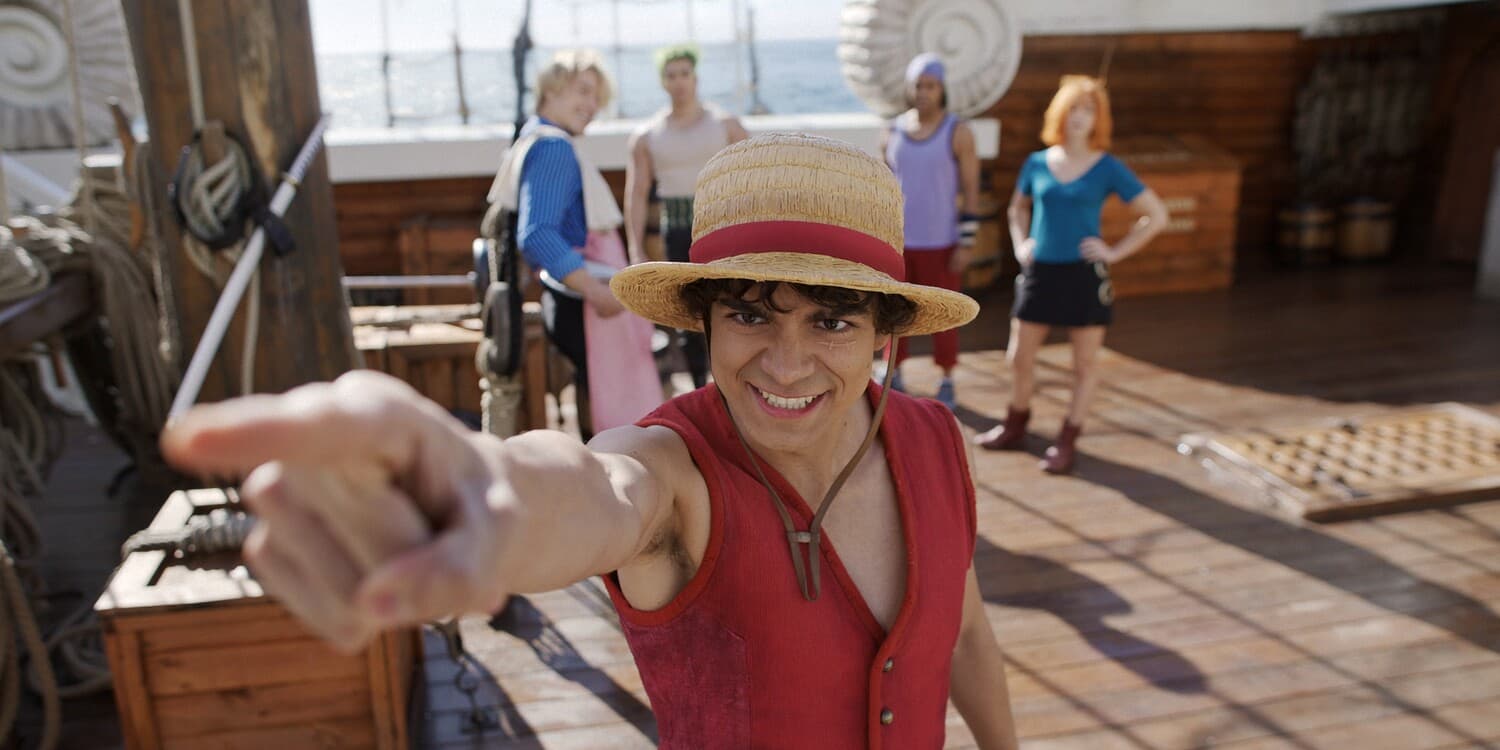
On March 10, the second season of "One Piece" (also known as "The Grand Line") premiered on Netflix, solidifying its reputation as the best live-action adaptation of one of history's most popular manga. Let's delve into how this continuation built upon the success of its predecessor and what potential challenges Netflix might face moving forward.
A Model Anime Adaptation
Netflix's live-action anime adaptations have often been met with skepticism and ridicule. However, "One Piece" broke this trend in 2023. The series was warmly received by both critics and audiences, with even devout fans expressing their delight at the first season.
The secret lies in the creators' approach to adapting the story for a new format. The plot of "One Piece" doesn't slavishly replicate the source material; instead, it uses the original as a foundation for its own creative interpretations. For instance, Vice-Admiral Garp (Vincent Regan) was introduced and developed in the first season, which covers less than a hundred manga chapters, whereas his character was fully revealed in the comic only after chapter 430.
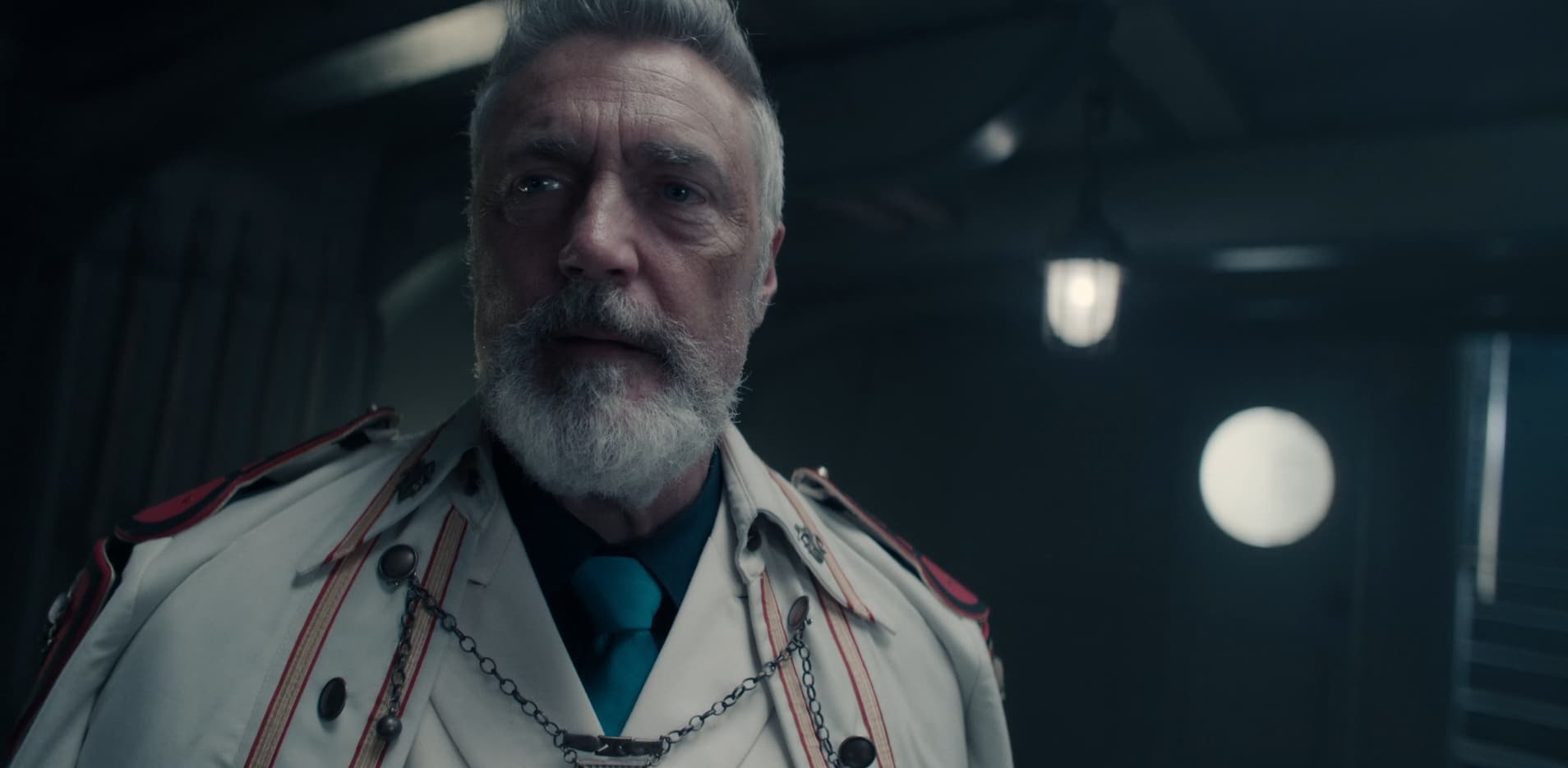
The characters, too, have earned acclaim. Thanks to meticulous casting, the on-screen portrayals don't deviate from the original but rather make them more tangible. Any viewer attempting to find canonical inconsistencies would likely fail. Eiichiro Oda, the manga's creator, long ago established the ethnic backgrounds of his characters, and the showrunners diligently adhere to these guidelines, with Oda himself actively overseeing the production.
Another strong point is the graphics and design, which strike a perfect balance. Looking at individual frames out of context might initially evoke a sense of awkwardness. It might seem as if a group of cosplayers gathered to enact their favorite anime. However, this is precisely the essence of its appeal.
From its inception, "One Piece" has masterfully balanced comedy and tragedy. The main characters consistently possess profound dramatic backstories and frequently find themselves in life-threatening situations. This very contrast allows "The Grand Line" to evoke powerful emotions and encourage deep reflection.
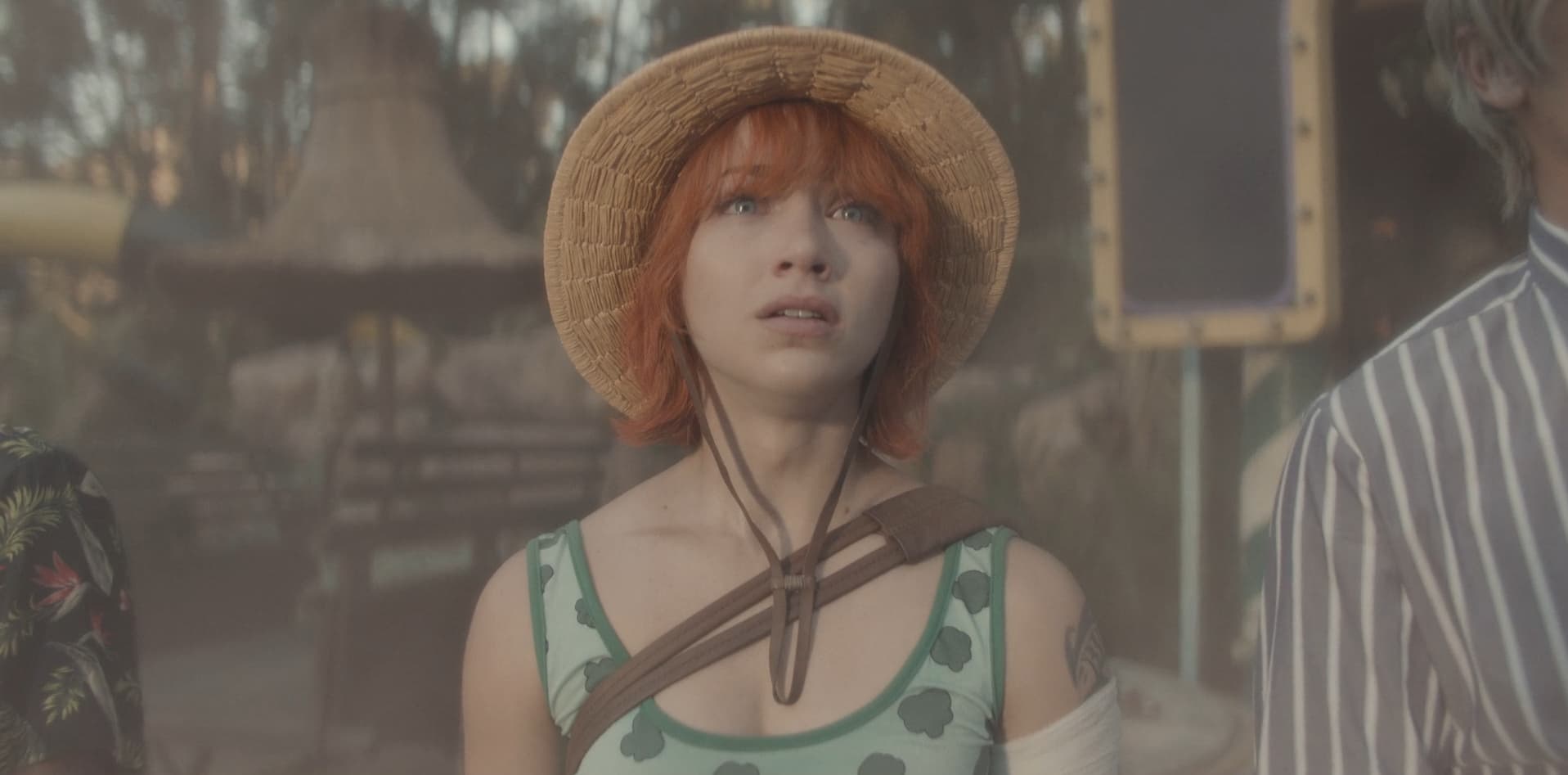
Yet, all these elements were consistently delivered with humor, sometimes even excessive for the manga, a trait particularly evident after the recent revelation of certain protagonist characteristics. The unusual, often absurd design of characters, locations, and objects has always been an integral part of this world. One only needs to recall the snail-phone as an example.
Translating such a style into live-action while maintaining a serious tone is exceedingly difficult. Thus, the show's creators don't even attempt it, as it would only detract from the experience. However, it's worth acknowledging that this particular formula is unlikely to suit most other adaptations.
The second season successfully picked up where the first left off. It introduced new characters, and the narrative scope expanded significantly. While it only begins to immerse the audience in the depths of the "One Piece" world, the difference from the debut season is quite palpable.
As before, the casting remains commendable. Captain Smoker, Tashigi, Miss Wednesday, and Miss All Sunday particularly stand out.
Callum Kerr, as Smoker, might not possess the same stern and imposing presence as his manga counterpart. Nevertheless, he commendably conveys the character's internal conflict, showcasing the contrast between his inherent decency and his strict demeanor as a commander.
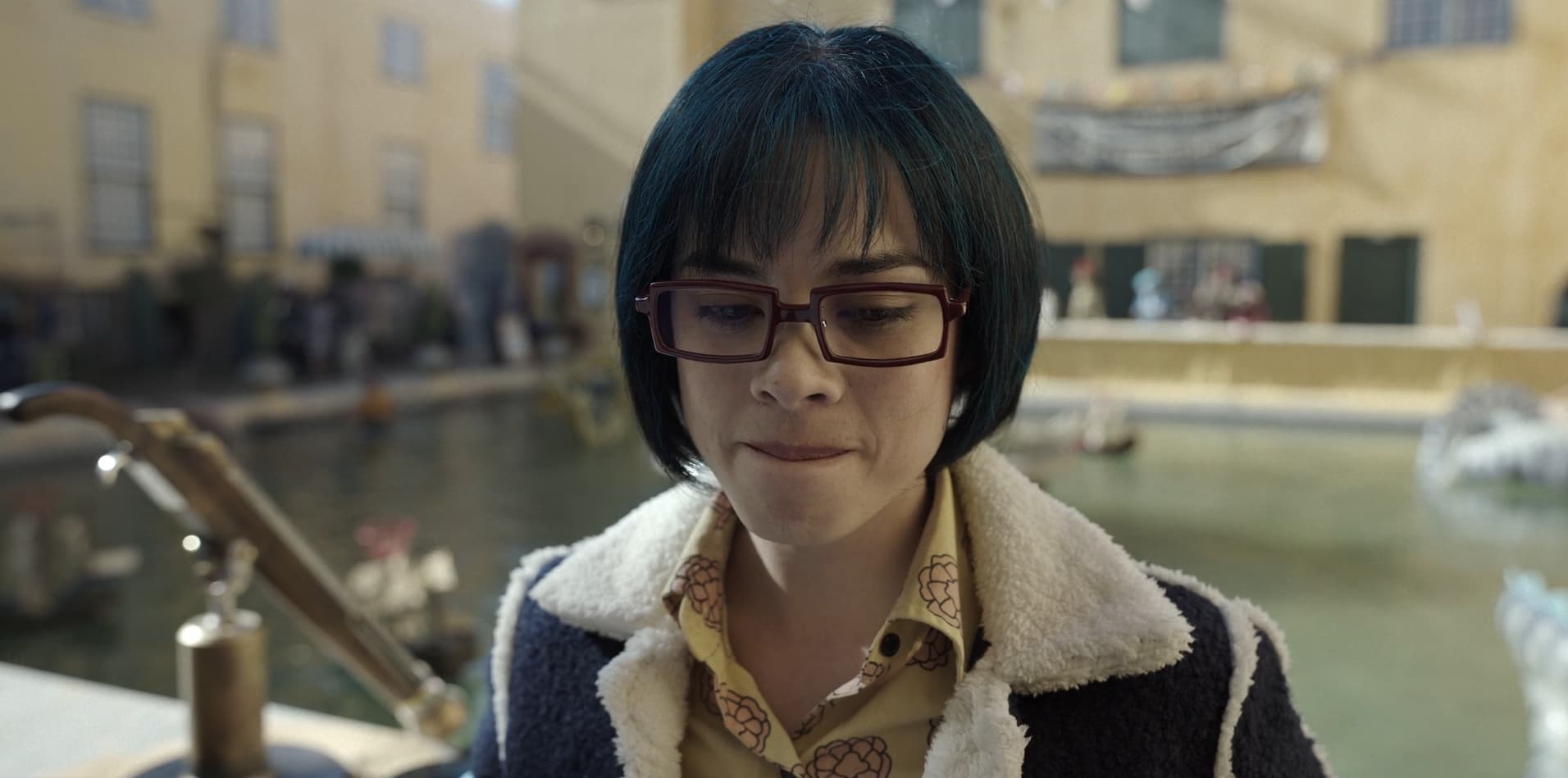
The portrayal of Tashigi is more debatable. Julia Rehwald doesn't bear a strong resemblance to the character and frequently makes unusual facial expressions. However, she effectively captures the character's awkwardness and occasional vulnerability, particularly in contrast to Zoro (Mackenyu Arata). Notably, in one series scene, Tashigi single-handedly defeated Mr. Eleven, an event that occurred off-screen in the original.
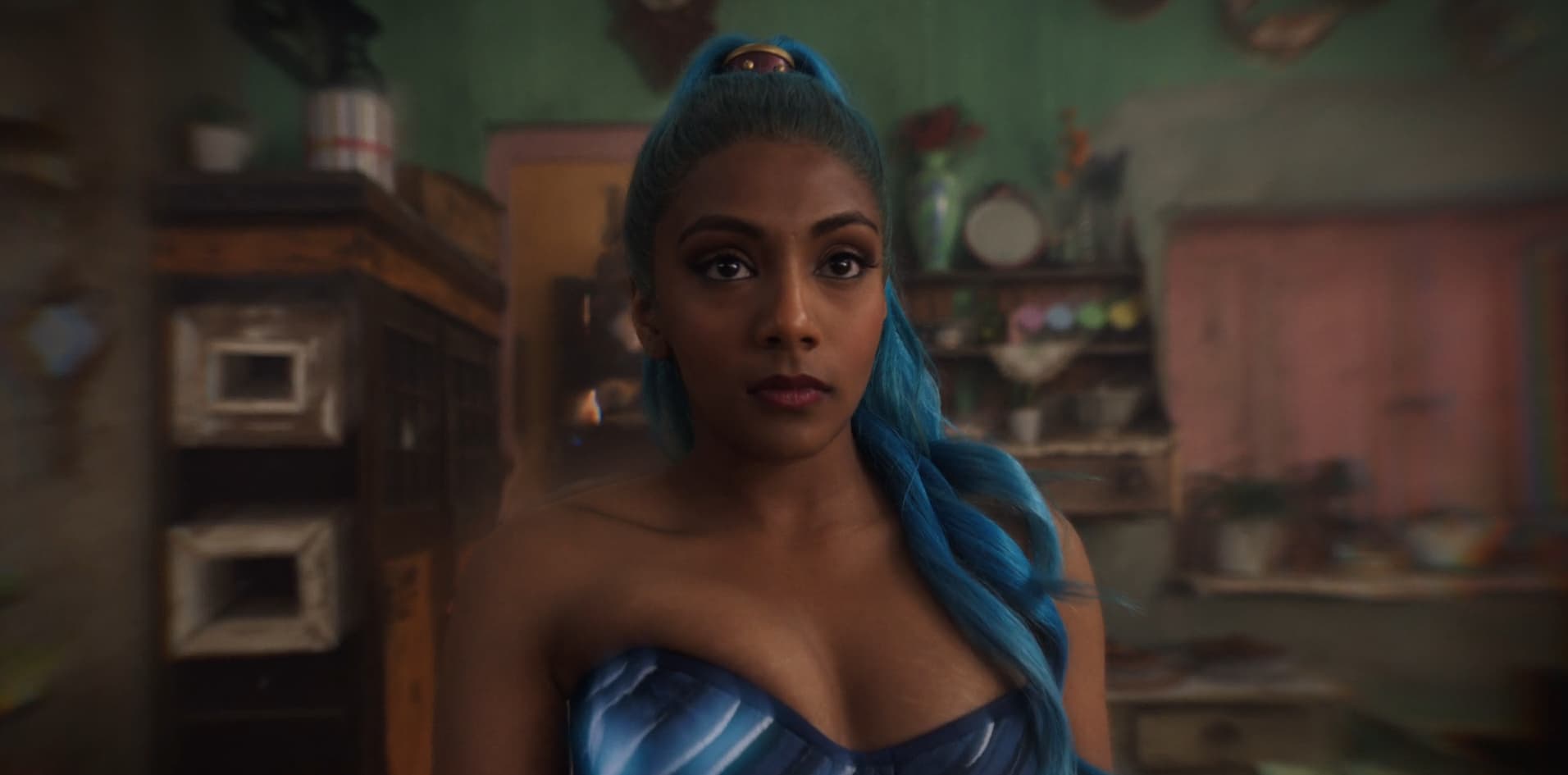
Charithra Chandran took on the role of Miss Wednesday. Initially, there were questions regarding her casting, as the actress's appearance, particularly her skin tone, didn't closely match the character. I, too, was skeptical about this choice, though one could argue, with some stretch, that she aligns with the canon. Nevertheless, during viewing, all my doubts vanished. The actress immersed herself so brilliantly in the role that her emotional performance profoundly resonated with me.
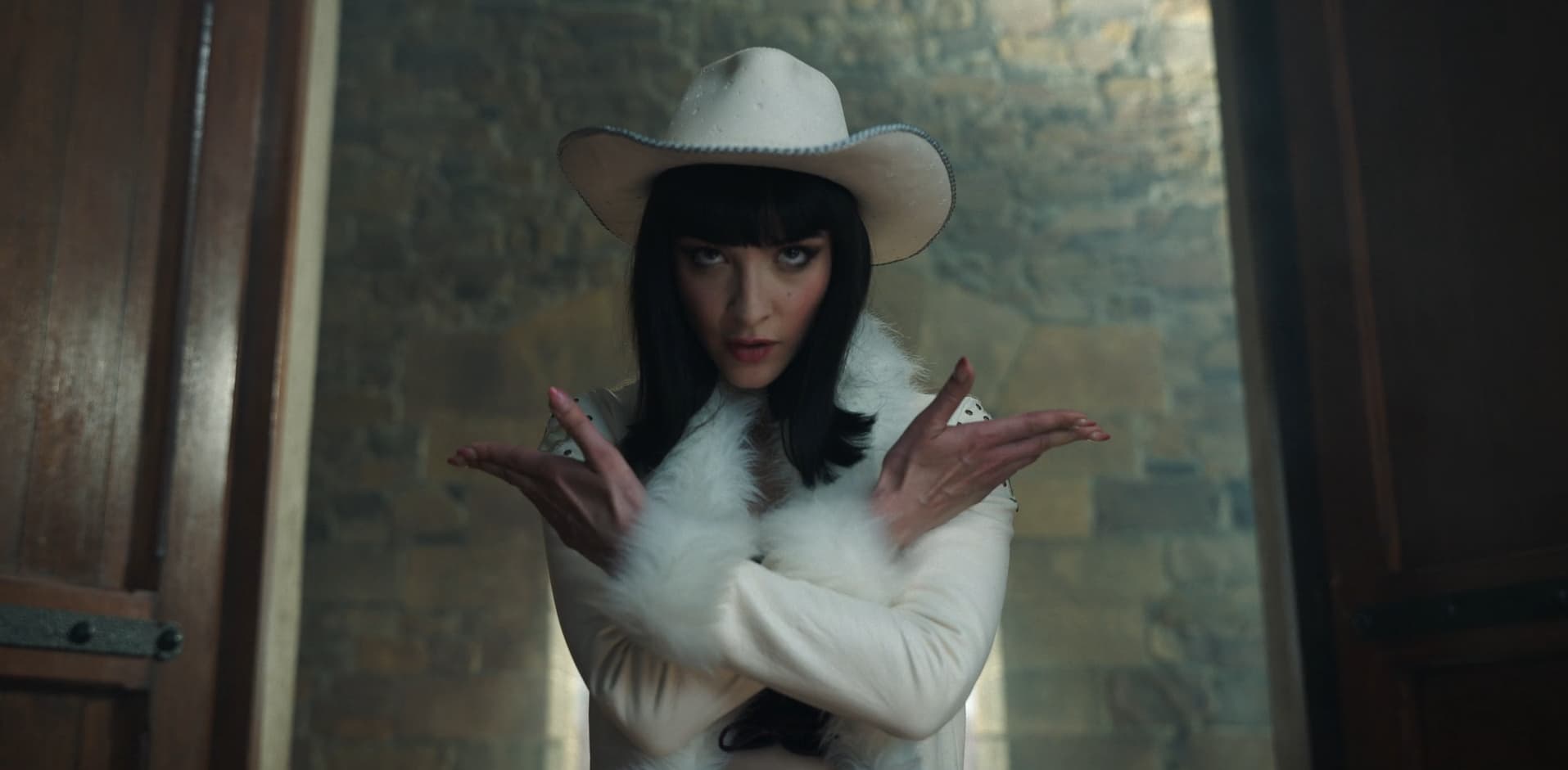
Miss All Sunday was brought to life by Lera Abova, an actress originally from the Altai Krai who moved to Germany as a child. In this instance, the series creators remained true to the author's vision: according to Oda, the character has Russian roots.
Her portrayal perfectly captured the essence: mysterious and unpredictable. Miss All Sunday plays her own game, and those unfamiliar with the source material would struggle to guess her true intentions. Although she has relatively limited screen time, Lera Abova manages to command attention in every scene.
The visual effects in the second season have significantly improved. It's clear that the success of the first season led to an increased budget for the project. And while some frames might still appear eccentric from an outside perspective, I reiterate: this was a deliberate choice!
The second season features very little new original music, and the remaining compositions from the first season sound rather uninspired. However, several re-orchestrated melodies from the anime perfectly fit the narrative's tone, effectively building the right atmosphere and anticipation for exciting events, though more memorable tracks would have been welcome.
Second Season in Detail
Let's examine the individual episodes.
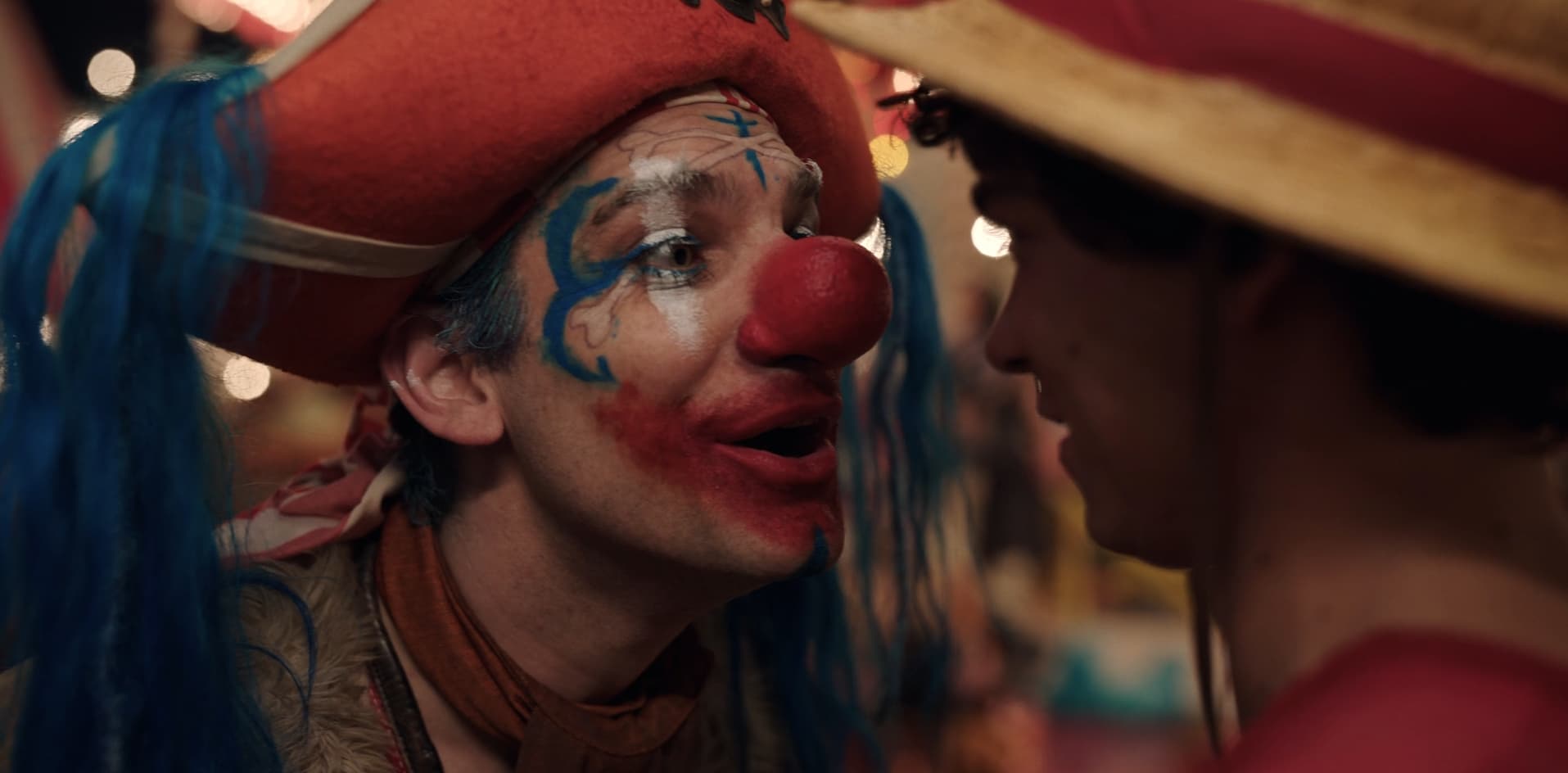
The first episode transports viewers to Loguetown. It can be compared to the second episode of the first season, focusing on Orange Town, as they share a similar structure. Both episodes effectively streamline unnecessary details from the original. Buggy the Clown (Jeff Ward), with his performance, shines brightly.
The series' version of Loguetown significantly enriches the plot. It introduces two characters whose debuts in the original source material occur much later. While one of them was later retconned into these events, the appearance of the second is debatable, to the extent that it might negatively impact his future portrayal.
It's worth noting that the second season is brimming with allusions to future events. We see hints of Sanji's (Taz Skylar) past, albeit without full context, a setup for the Fish-Man Island arc, and even a mention of Elbaf—the giants' homeland—whose storyline hasn't even begun in the anime, existing only in the manga. Evidently, the series has chosen its own narrative pace, which seems like a sensible decision.
The episode also presents some drawbacks. The series almost explicitly reveals how Luffy (Iñaki Godoy) was saved from Captain Smoker. Manga and anime fans still debate whether it was a mystical coincidence or the result of a character's abilities. The ambiguity in the original perfectly hinted at his special status. In the series, however, a clear explanation of what happened is provided.
Furthermore, logical consistency suffers in places. For example, if the protagonist was handcuffed, thereby nullifying his powers, how did he survive a lightning strike? Previously, this was explained by his rubber-like body.
Some characters in this episode appear frankly unconvincing. The new green-haired character clearly needed better makeup, and for Alvida (Ilia Isorelýs Paulino), whose character undergoes significant physical transformation in the story, perhaps a different actress should have been considered.
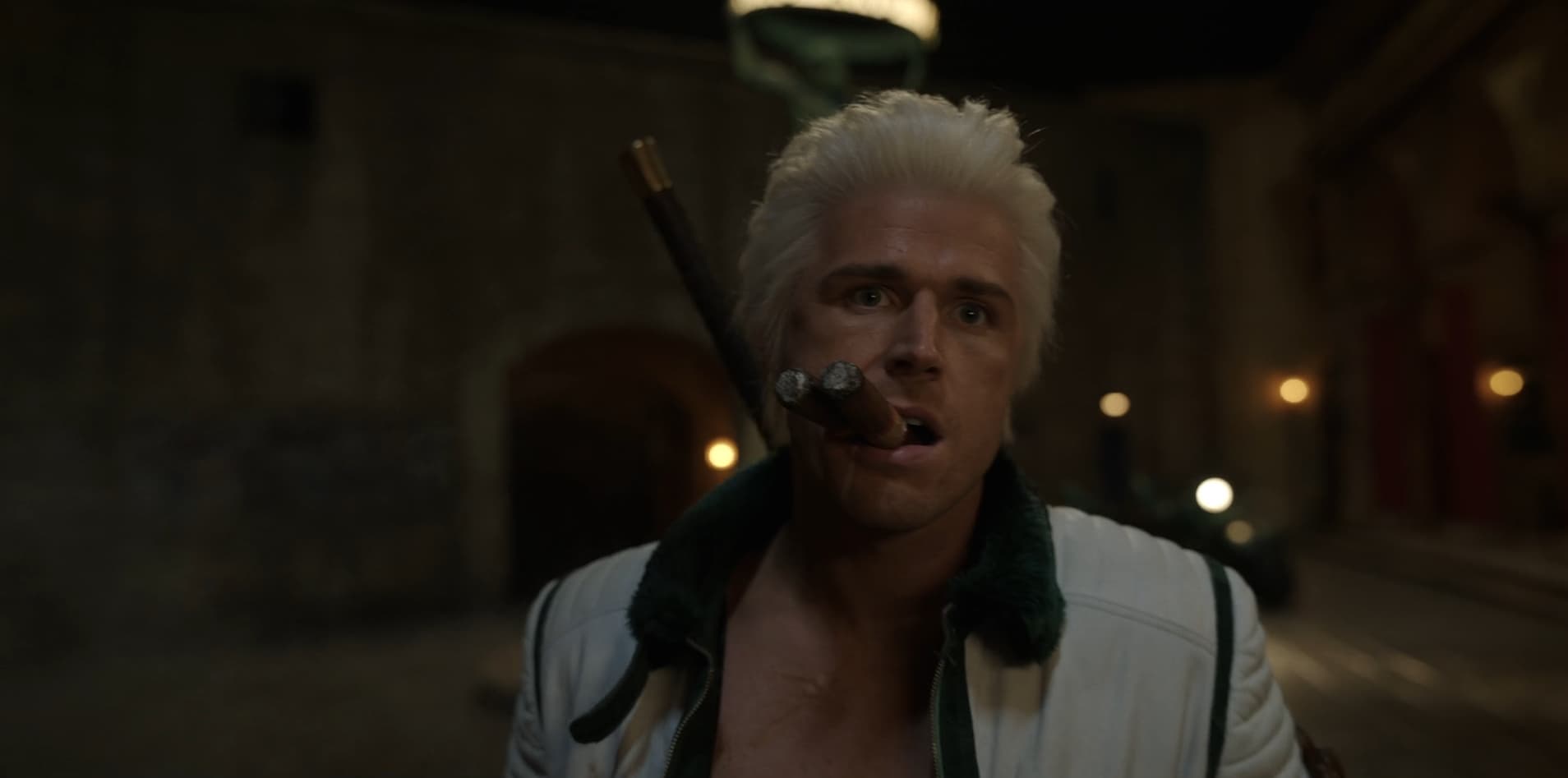
The second episode focuses on Reverse Mountain. I appreciated how Luffy's actions were altered. Despite an attempt to fight Laboon, the hero ultimately found a different way to convince him to release his friends. This aligns with his character: Luffy respects others' dreams, genuinely empathizes with them, and has loved music since childhood.
Incidentally, the captivating rendition of "Bink's Sake" was a pleasant surprise, even though it wasn't performed in Japanese.
Characters in the adaptation often act differently than in the manga, yet they consistently retain their essence, simply revealing new facets. Once again, the series doesn't literally copy the original but crafts its own interpretations based on it. Nevertheless, logical flaws occasionally appear here too. For instance, it's strange that Crocus (Clive Russell) couldn't conceive the solution that Luffy eventually proposed.
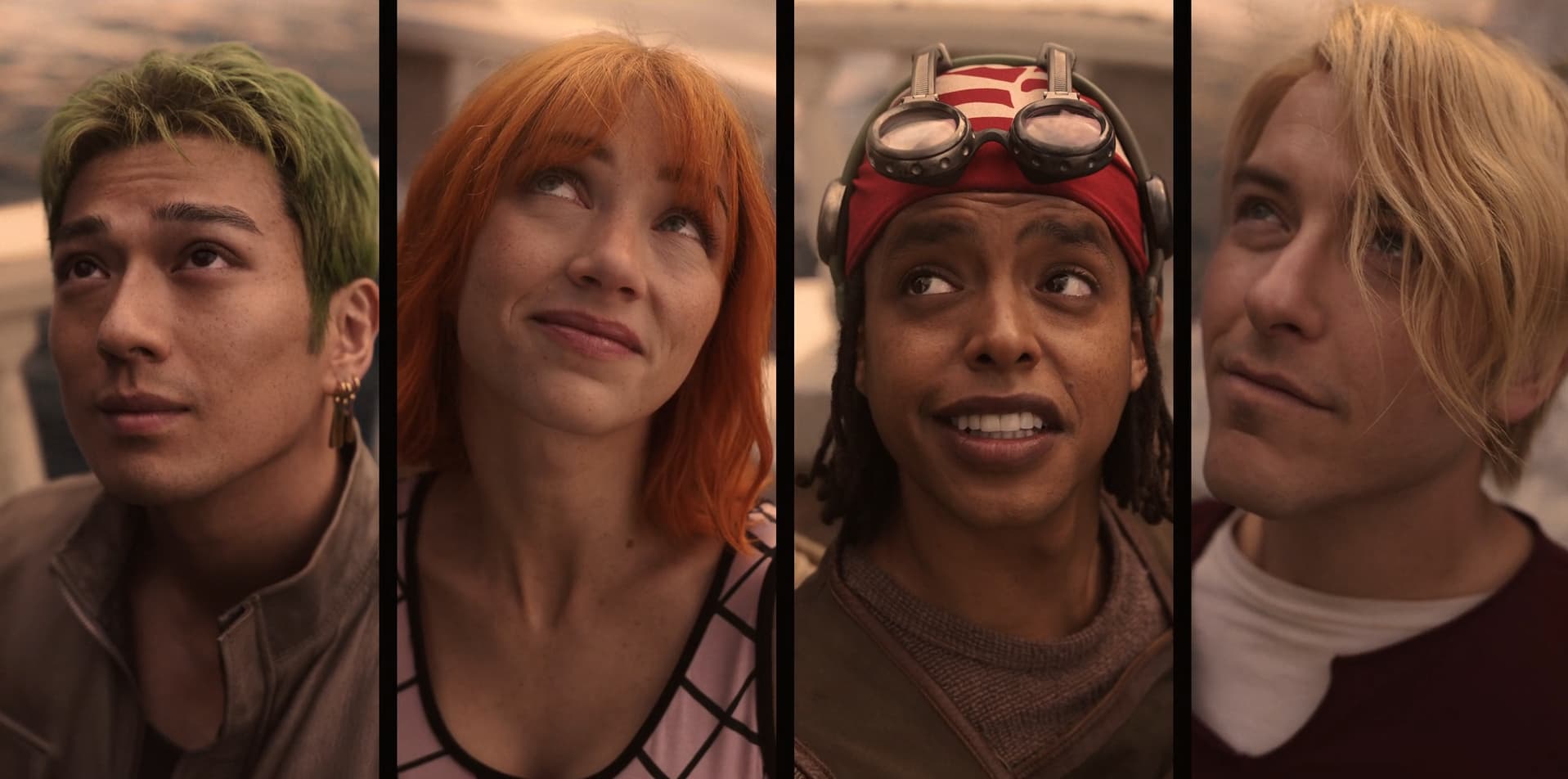
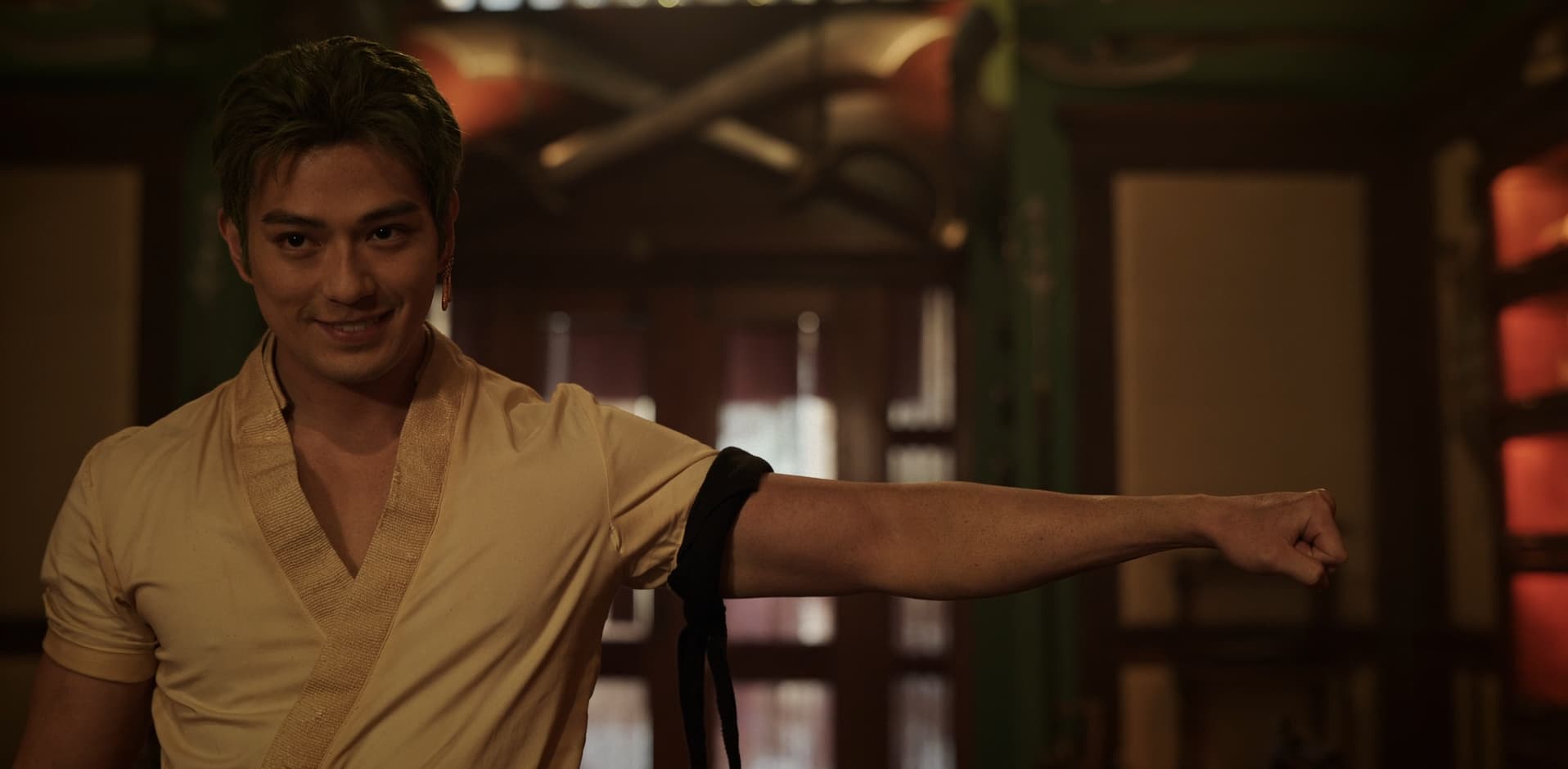
The third episode takes us to Whiskey Peak. This installment is entirely dedicated to Zoro and his masterful defeat of adversaries, whom he methodically counts.
The fight choreography is impressive. The green-haired swordsman moves gracefully through the environment, showcasing beautifully staged movements. In my opinion, this is one of the best fight scenes in the entire season. However, the depiction of blood is peculiar: it's present on Zoro's blades but entirely absent during the actual strikes. This creates a certain dissonance.
The idea of integrating Dracule Mihawk (Steven Ward) as a vision that haunts Roronoa and serves as his motivation is a brilliant touch. This charismatic character, with his striking design and compelling acting, further deepens the portrayal of the Straw Hat Pirates' swordsman.
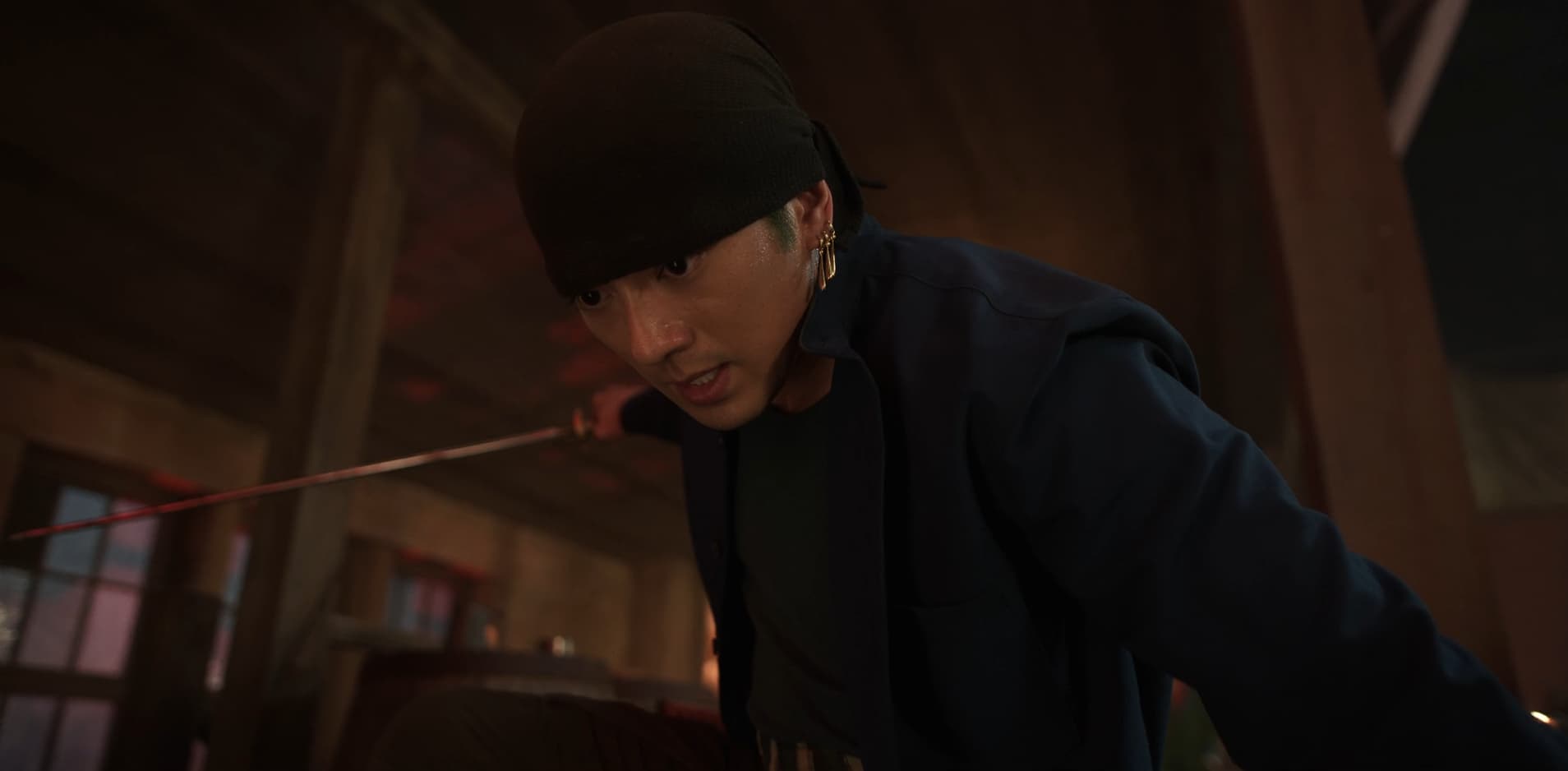
Daniel Lasker as Mr. Nine is one of the most successful casting choices. The actor masterfully handled the role, and the character's design is flawlessly rendered. However, Miss Monday (Chi Mhonde) was a misstep: the actress's physique frankly doesn't match the character.
It's regrettable that the fight between Zoro and Luffy was cut from the storyline. In the manga, this episode was not only entertaining but also vividly showcased their immense power. Incidentally, the protagonist's abilities in the series have been noticeably toned down.
The adaptation features less humor, though references to it remain. The joke about Zoro getting lost was particularly amusing—a trait that will later become a defining characteristic of the character.
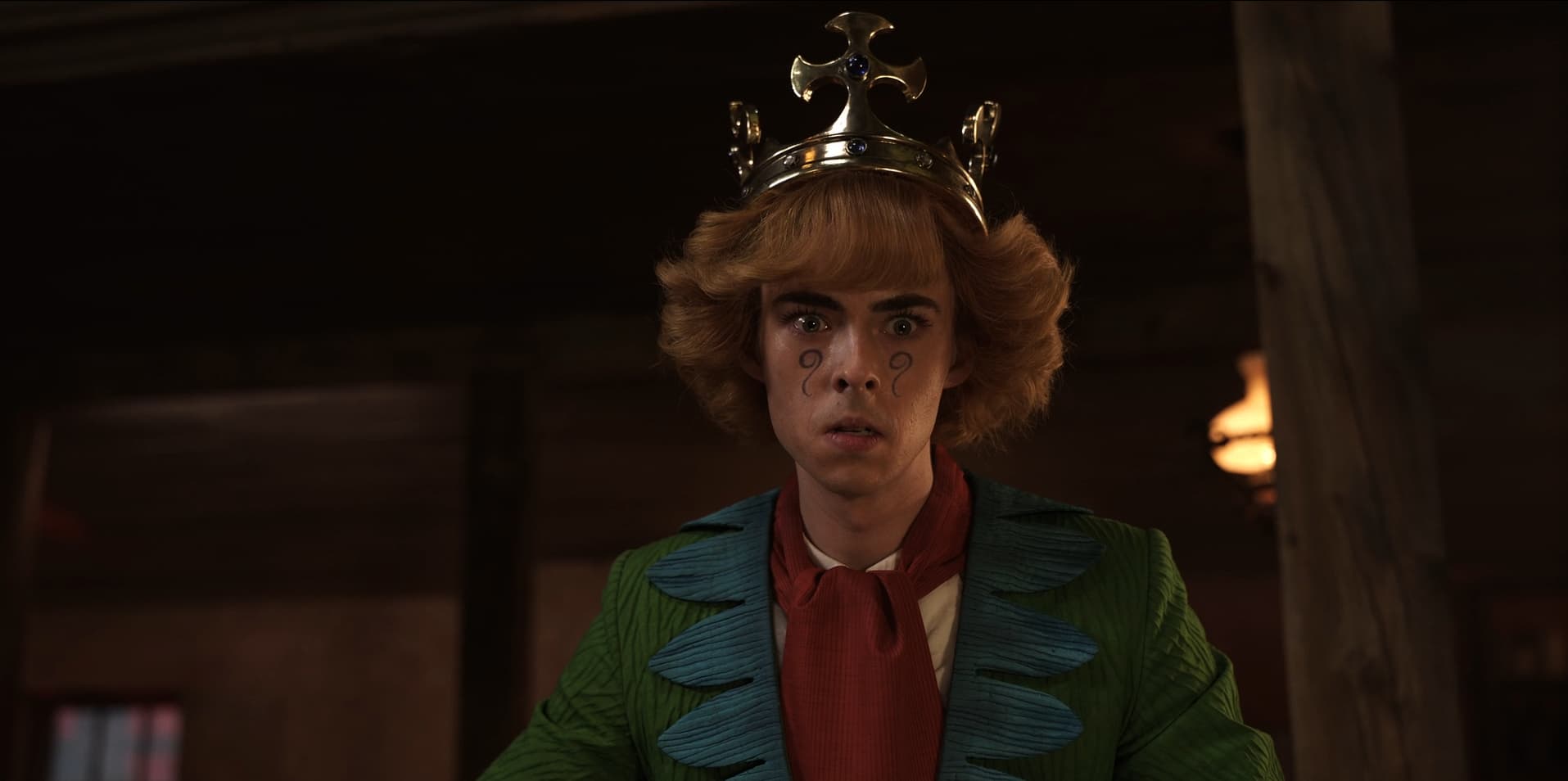
The fourth and fifth episodes take us to Little Garden.
The giants in this arc evoke mixed feelings. While they perfectly match their original portrayal, the storyline surrounding them progresses too rapidly. If it were merely an introduction to the characters, this would be understandable. However, their excessive trust in the protagonists in a complicated situation seems implausible, removing necessary conflict and making events feel less natural.
Mr. Three turned out to be incredibly amusing. He was portrayed by David Dastmalchian, well-known for his roles in the Marvel and DC cinematic universes. The character's eccentric persona perfectly fits the actor's usual niche, as he frequently embodies quirky characters on screen.
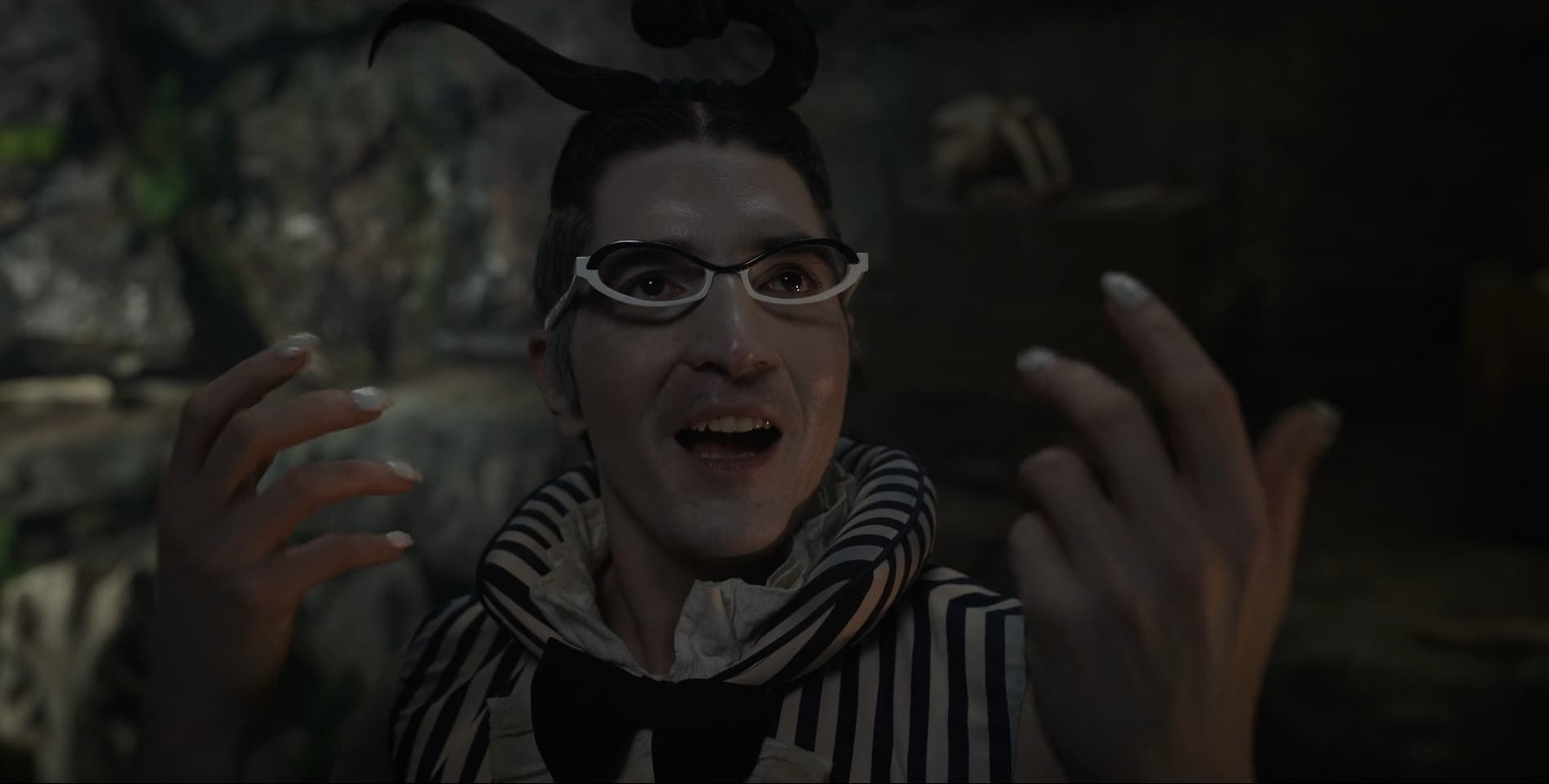
Other Baroque Works agents are also well-portrayed. Mr. Five (Camrus Johnson) is amusing. Miss Goldenweek (Sofia Anne Caruso) is even more developed in the series than in the original. And Miss Valentine (Jazzara Jaslyn) skillfully irritates the viewer in a good way.
In this same story arc, the well-known rivalry between Zoro and Sanji begins. The relationships among all crew members in the series are depicted with great warmth, and each such moment only enhances their chemistry. This makes it easy to believe that we are not just witnessing a casual association, but a true family.
Unfortunately, Usopp's (Jacob Romero Gibson) storyline was somewhat simplified. He impressively saves his friends, but the scene itself raises quite a few logical questions. This is likely due to the absence of Karoo the duck in the series, a character vital to this manga arc.
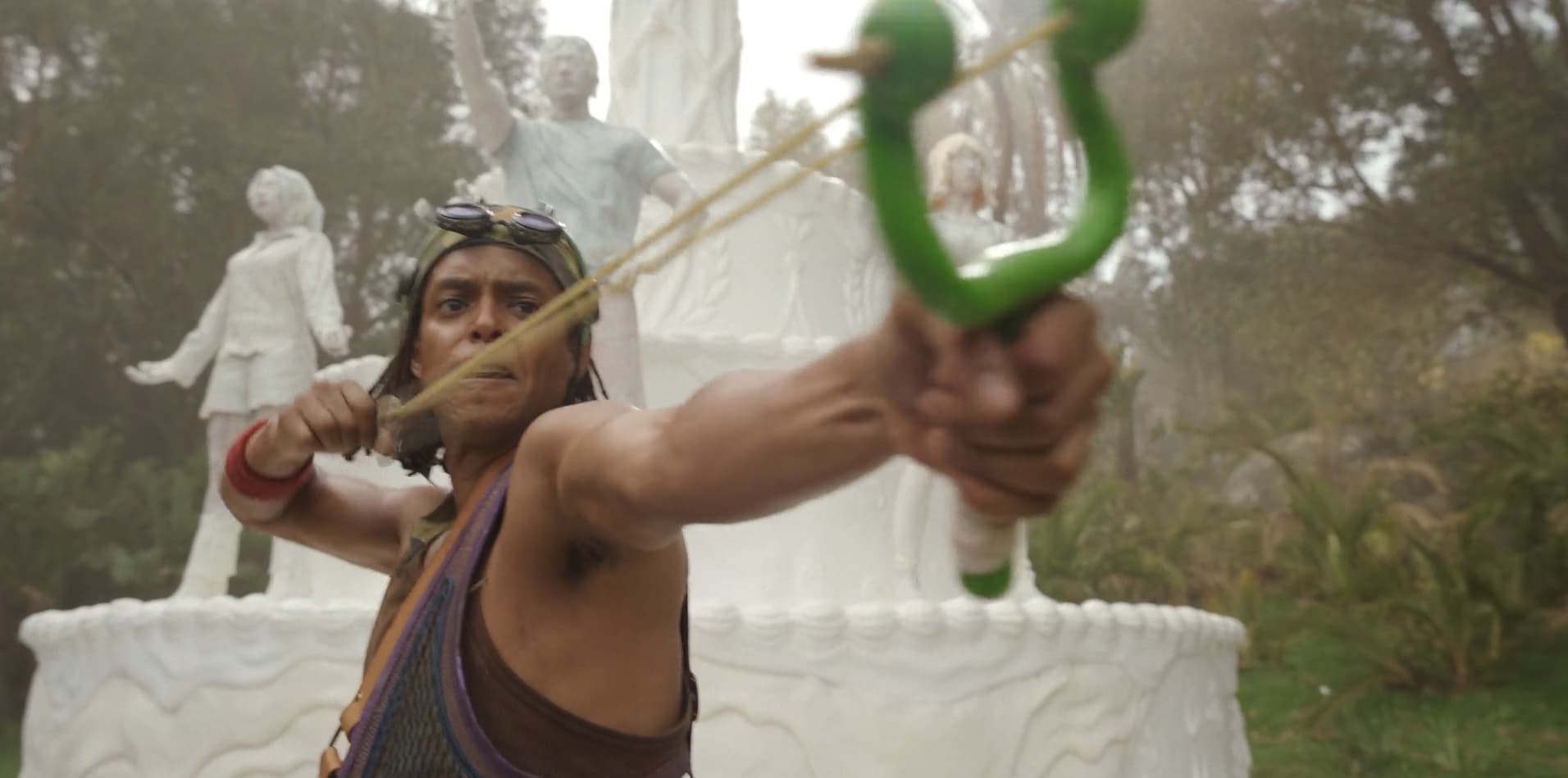
The concluding episodes are dedicated to the events on Drum Island, and currently, this is the most impressive part of the entire series.
- Outstanding CGI, nearly on par with Hollywood blockbusters. Tony Tony Chopper (Mikaela Hoover) turned out incredibly cute, even in his combat form, which in the series is based on a yeti-like appearance.
- Stunning Devil Fruit effects, organically integrated into the environment.
- Character designs that are very close to the source material, especially evident in Chopper, Kureha (Kathe Sagal), Dalton (Ty Keogh), and Doctor Hiruluk (Mark Harelik).
The dramatic elements are no less impressive than the visuals. The story of the blue-nosed reindeer evokes genuine tears and sympathy. Combined with excellent graphics, thoughtful design, and a refreshed soundtrack, the Drum Island arc leaves an impression of a sweet and touching fairy tale.
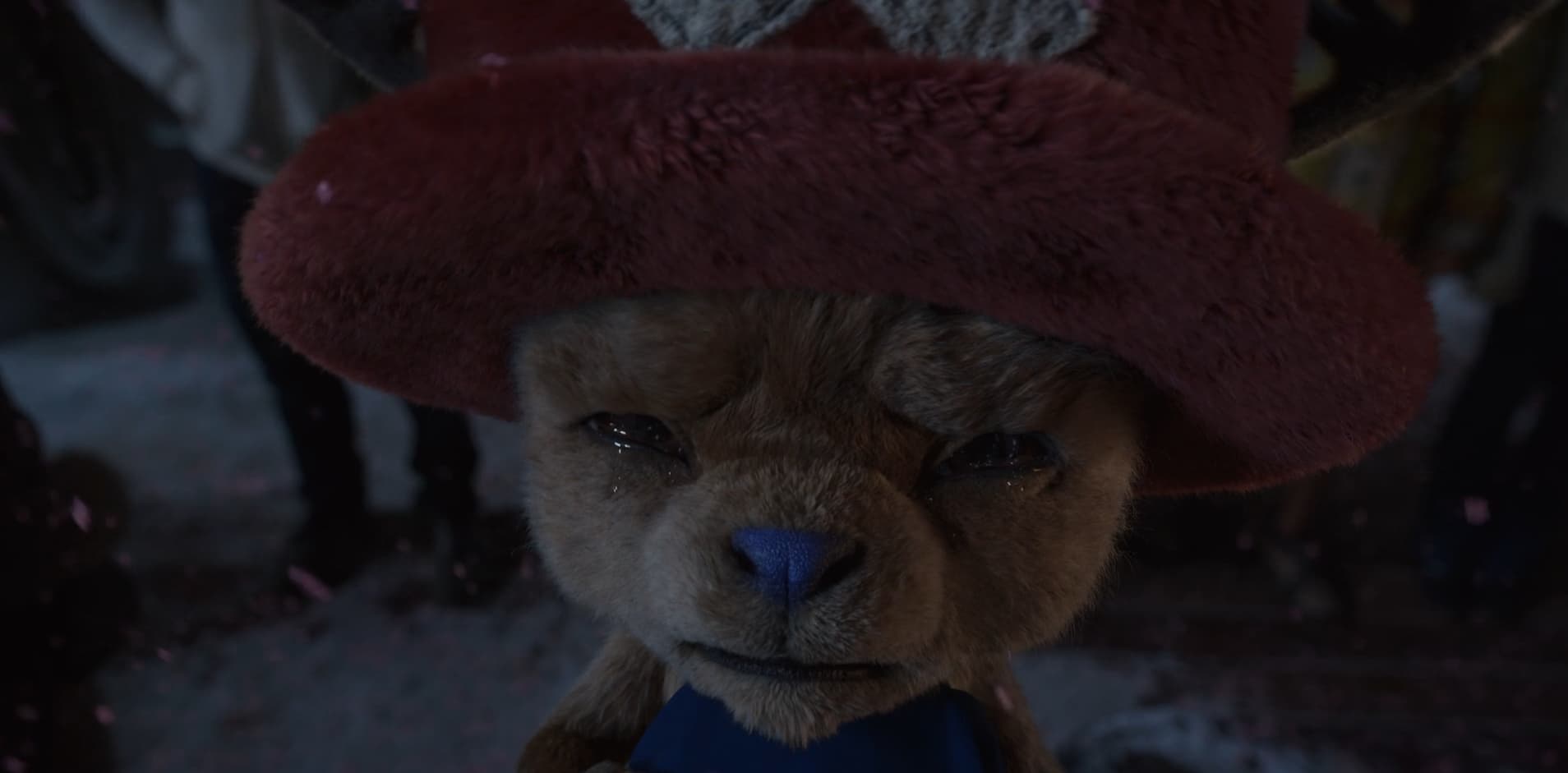
However, the final battle was reworked. While Luffy previously handled Wapol (Rob Colletti) alone, here his friends came to his aid. This change was beneficial, once again emphasizing the unity of the main characters.
Too Slow, Netflix!
Despite all its splendor, there is one significant flaw: the pace of production. The "One Piece" adaptation was announced back in 2020, but due to the COVID-19 pandemic, filming only began in 2022. This means that creating two seasons, which cover 154 manga chapters (out of over 1170 currently released), took a full four years! It's difficult to even imagine how much time will be needed to adapt the entire source material, which, moreover, is still ongoing.
Indeed, the creators employ various tricks: they accelerate the narrative, introduce "Chekhov's guns" much earlier, and simplify storylines and character traits. So far, they manage not to significantly compromise quality, though there's always room for criticism.
The project has already been renewed for a third season, and its production has commenced. Judging by the current pace, the premiere is unlikely to happen before 2027. It's expected that the continuation will be entirely dedicated to the Alabasta arc.
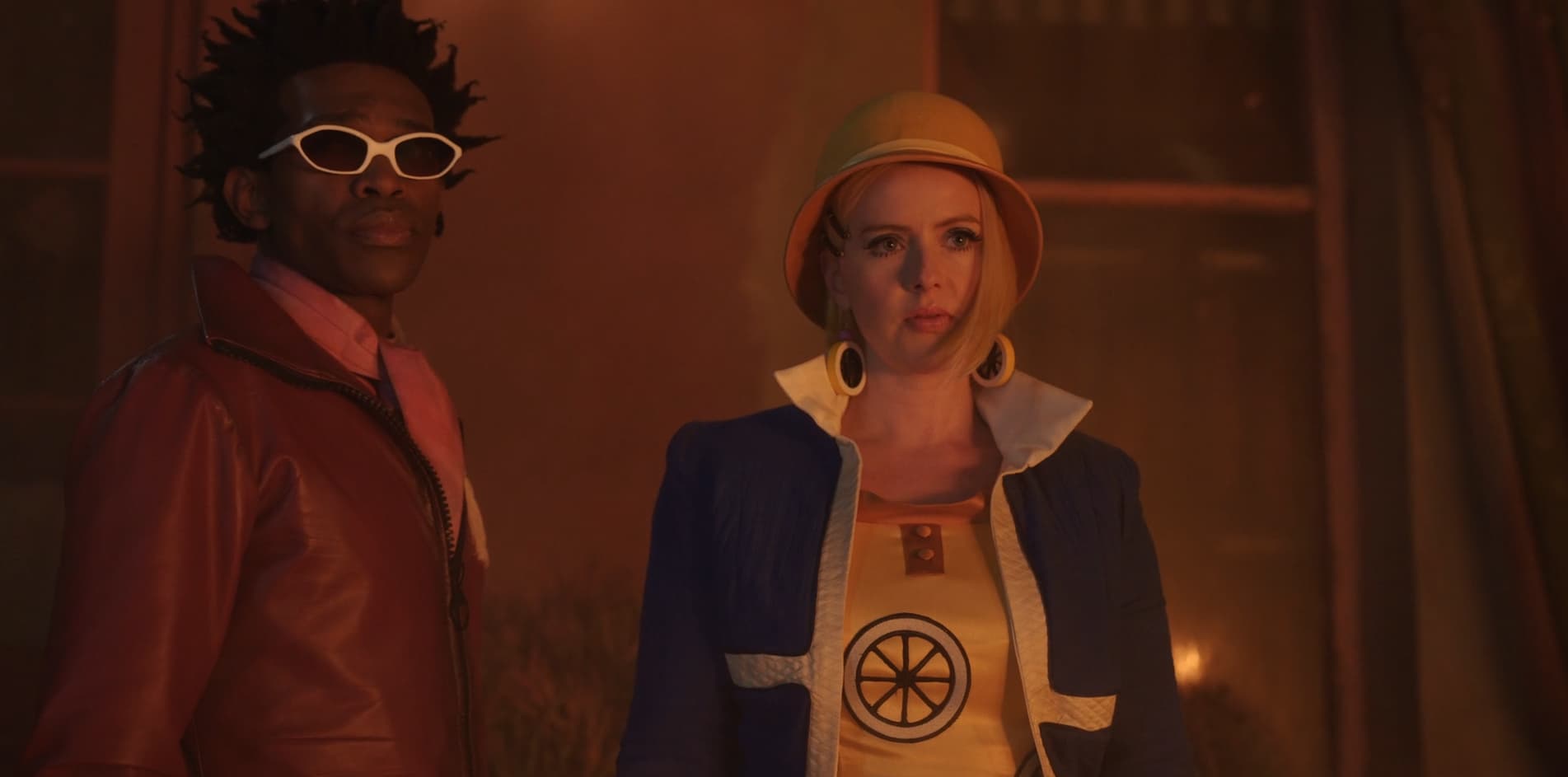
However, such a pace remains insufficient, considering that actors do not get younger. Emily Rudd, who portrays Nami, turned 33 this year, while her character is only 17 during the events depicted. If production doesn't accelerate, the team will have to seriously consider recasting in a few seasons.
Conclusion
The second season of "One Piece" not only maintained the high standard set by the first but, in many aspects, elevated it. It is filled with engaging events that consistently uphold their quality throughout the narrative.
The series largely mirrors the anime's style, evident in character designs, set decorations, and scene direction. In motion, everything appears organic and pleasing to the eye. The Drum Island arc proved particularly successful, capable of moving every viewer.
The characters maintain a resemblance to their manga prototypes, but their behavior sometimes differs. In some instances, their actions are simplified, while in others, they reveal new facets of their personality, which feels entirely appropriate (for example, in the scene where Sanji recounts his childhood memories to Nami).
Among the identified shortcomings are a certain disjointedness, occasionally questionable designs of secondary characters, logical inconsistencies, and a reduction in humor. The creators significantly simplified many aspects of the story and laid numerous plot hooks for the future. Whether they can harmoniously balance all these elements to avoid an abundance of plot holes remains an open question.
Nevertheless, these shortcomings do not prevent the series from achieving its main goal: immersing the viewer in its unique, whimsical world, captivating them with its mysterious narrative, and delighting them with main characters who exhibit excellent chemistry. The primary challenge for the adaptation continues to be the slow production pace: a vast amount of material still lies ahead, and time is not on the actors' side.
In conclusion: the season can be confidently recommended to both long-time fans of the franchise and newcomers to this world.
Fresh materials — Gaming News
No More Robots' Nine-Year Journey to Releasing Their First Self-Developed IP: "This Sounds So Naive and Stupid, But Somehow It's Working"
It has been nine years since Mike Rose founded the indie game publisher No More Robots. The company has achieved considerable success, partly thanks to its back catalog, which includes the popular bike-riding game Descenders, the inaugural release under the No More Robots banner and a
Blizzard Workers Ratify First Union Contract with Microsoft
Blizzard Entertainment, now under the ownership of Microsoft, has successfully negotiated and ratified its inaugural union contract. This landmark agreement was approved by a workforce vote encompassing just under 1,900 staff members. The newly established contract introduces s
Lego Digital Play Acquires Mobile Studio Offroad Games
Lego Digital Play has officially acquired Offroad Games, a mobile development studio based in the UK. Offroad Games, established by a group of former Space Ape Games employees, revealed the acquisition in a statement on LinkedIn, describing it as a "tremendously exciting new
Arm Unveils Mobile-First AI Reconstruction Technology, Distinct from DLSS 5's 'Black Box' Approach
Arm, the British semiconductor and software design firm, has announced its latest advancements in AI computing at the Arm Everywhere China event in Shanghai. The company aims to establish a comprehensive AI-native computing ecosystem with its new AI-native compute platform CSS for Mob
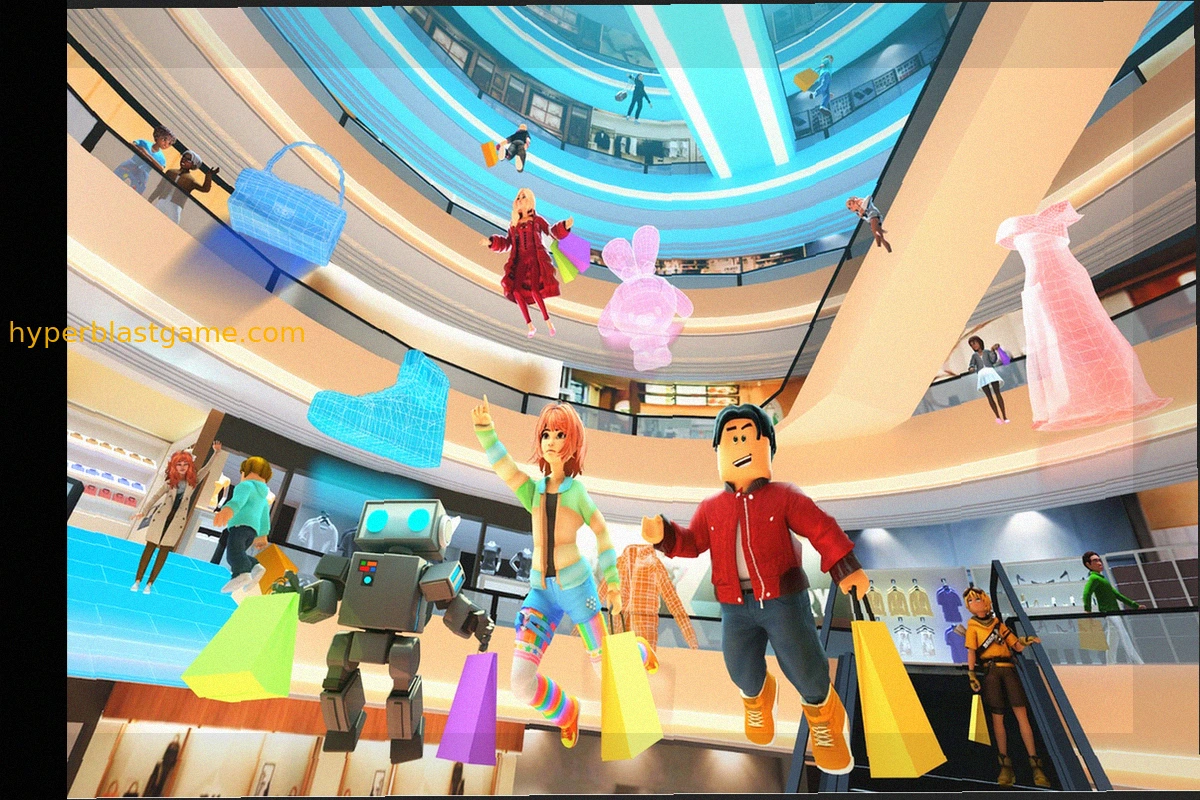
US Senate Investigates Roblox: Child Safety Under Scrutiny
The US Senate's Crime and Counterterrorism Subcommittee has initiated an investigation into Roblox, expressing concerns that the platform may be prioritizing revenue and user engagement over the safety of children. Senators Josh Hawley and Dick Durbin, in a letter to Roblox CE
Three Epic Veterans Are Building an AI-Powered Game Engine to Break the Industry's Doom Cycle
In the current gaming landscape, Unity and Unreal Engine have long held a dominant position, powering approximately 70% of games released on Steam in 2025. While Godot has experienced notable growth and some major companies continue to utilize proprietary engines like Capcom's RE Engi