

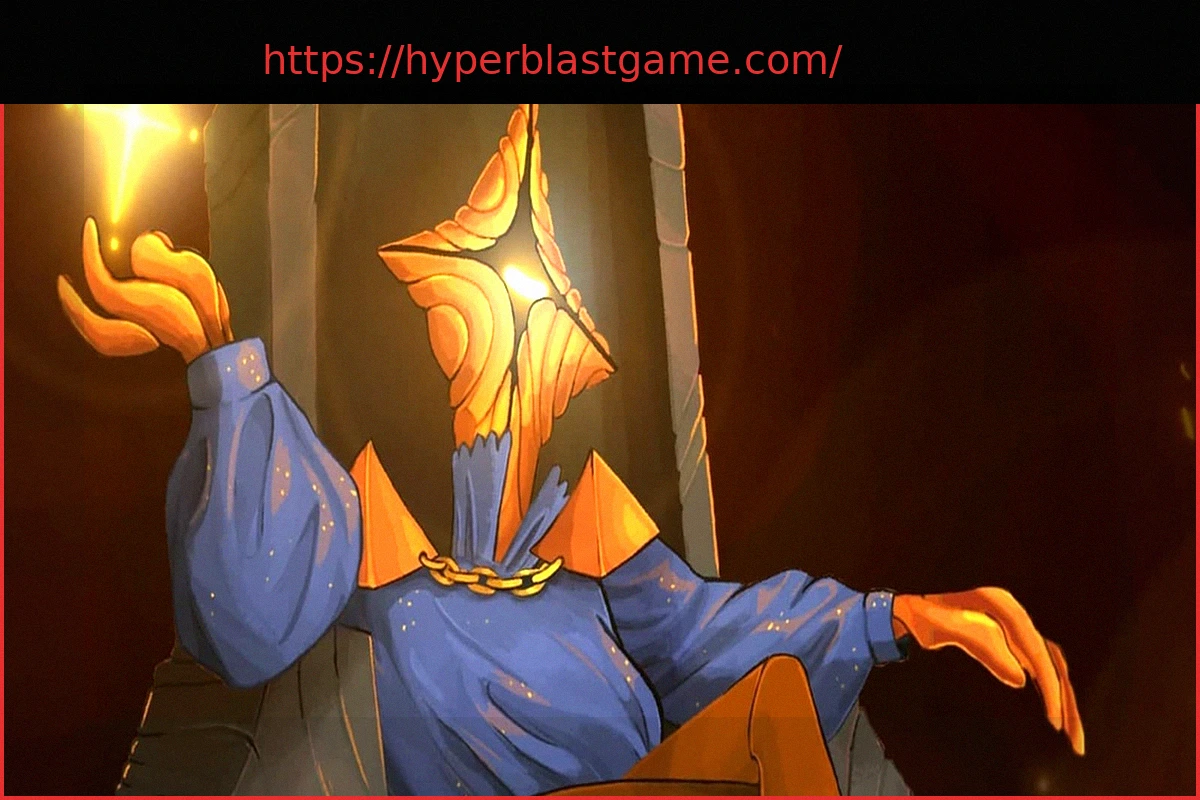

The early access launch of Slay the Spire 2 has been met with immense hype, glowing reviews, and record-breaking player counts for the genre – creating a palpable sense that the king has indeed returned. However, if you’ve dedicated dozens or hundreds of hours to the original, I have two pieces of news for you. The good news: it’s almost the same Slay the Spire. The bad news: it’s almost the same Slay the Spire, but with a higher price tag. The crucial question is whether this is enough for it to reclaim its throne.
The Ascent of the Spire
The original Slay the Spire, first released in Early Access in 2017, didn’t merely popularize card roguelikes; it practically defined the genre and brought it into the mainstream. While other card games existed before it, and there were early, hesitant attempts at similar formulas – like Dream Quest, which was graphically unappealing – it was Mega Crit’s creation that cemented its core tenets:
- A roguelike run structure featuring a branching path map and meta-progression;
- A turn-based card combat system;
- In-run deck building and management;
- Deep mechanical synergy and intuitive design.
Slay the Spire quickly achieved cult status and inspired countless imitators. Without its influence, titles like Monster Train and many other popular projects drawing from Mega Crit’s formula might never have materialized.
Years later, the “king of card roguelikes” has made its comeback. Yet, during this interim, the genre has significantly advanced. Competitors have introduced novel ideas, blended familiar formulas with other genres, and integrated unique mechanics. Against this evolving backdrop, the sequel inevitably raises an uncomfortable question for any legend: is this still the “king” – or merely an “usurper” content to rest on the laurels of its predecessor? The answer is more nuanced than it might initially appear.
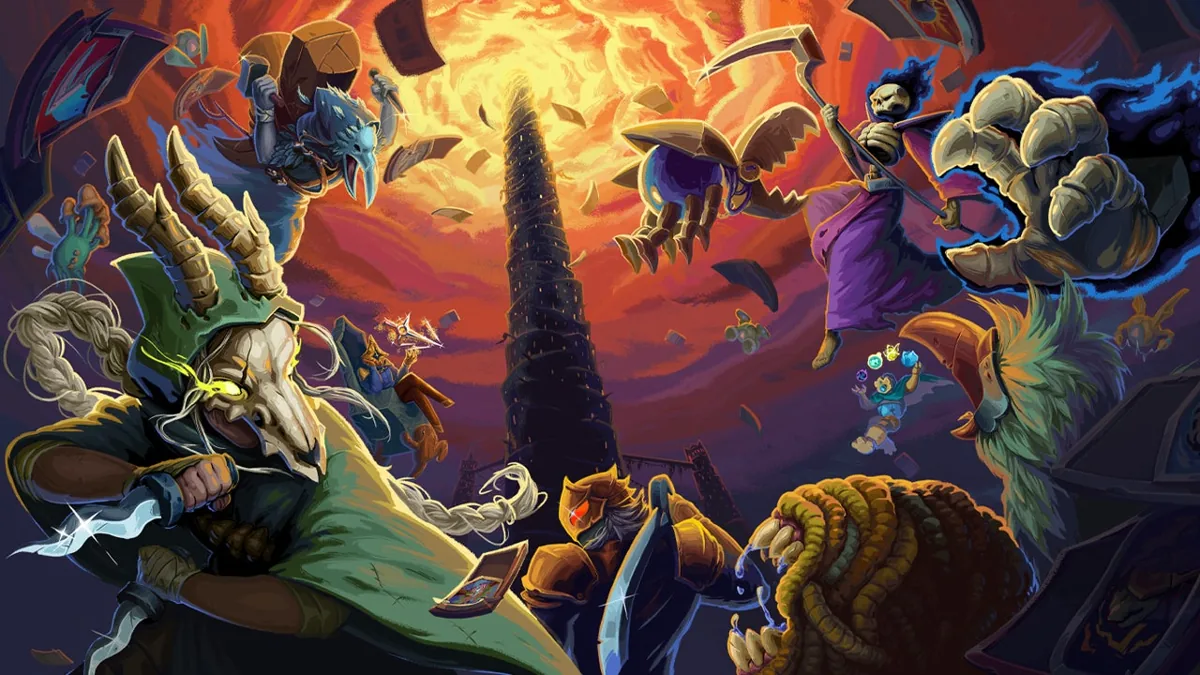
Anatomy of a Card Roguelike
The resounding success of Slay the Spire 2 has, predictably, drawn the attention of those new to the genre. Thus, it’s worth briefly outlining how Slay the Spire operates. While card roguelikes might sound intricate, they boast a surprisingly low barrier to entry. The system swiftly immerses players into a state of flow, where hours pass unnoticed as cards are played one after another.
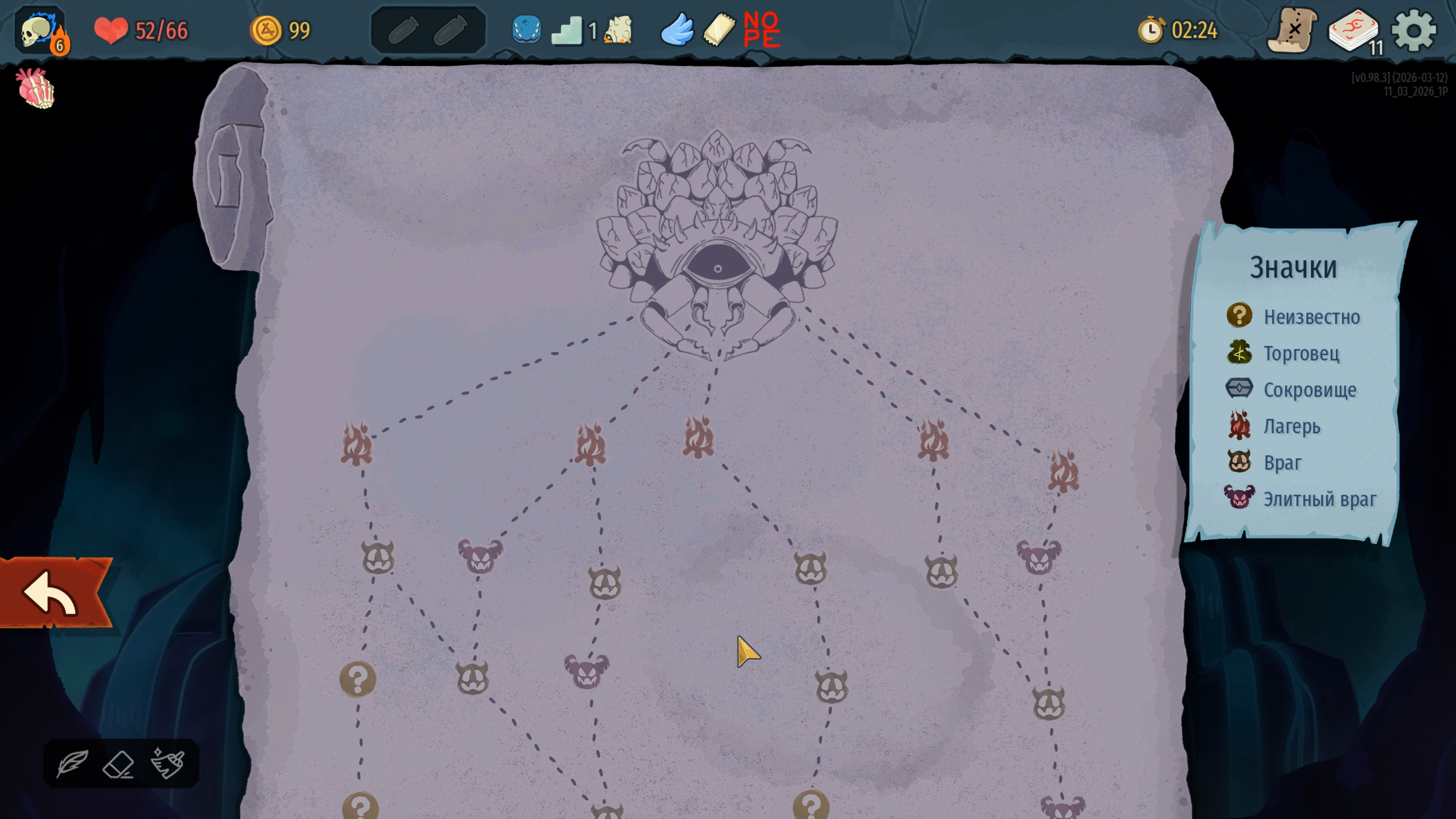
You begin by selecting a character, each featuring a unique starting deck and special relic, before embarking on an expedition. You’re presented with a branching map route, filled with rooms containing enemies, treasure chests, events, merchants, rest stops, and more. You forge your own path, deciding which way to go at each fork. The objective is straightforward: progress through several acts, defeat the boss at the end of each, and ultimately conquer the peak of the Spire.
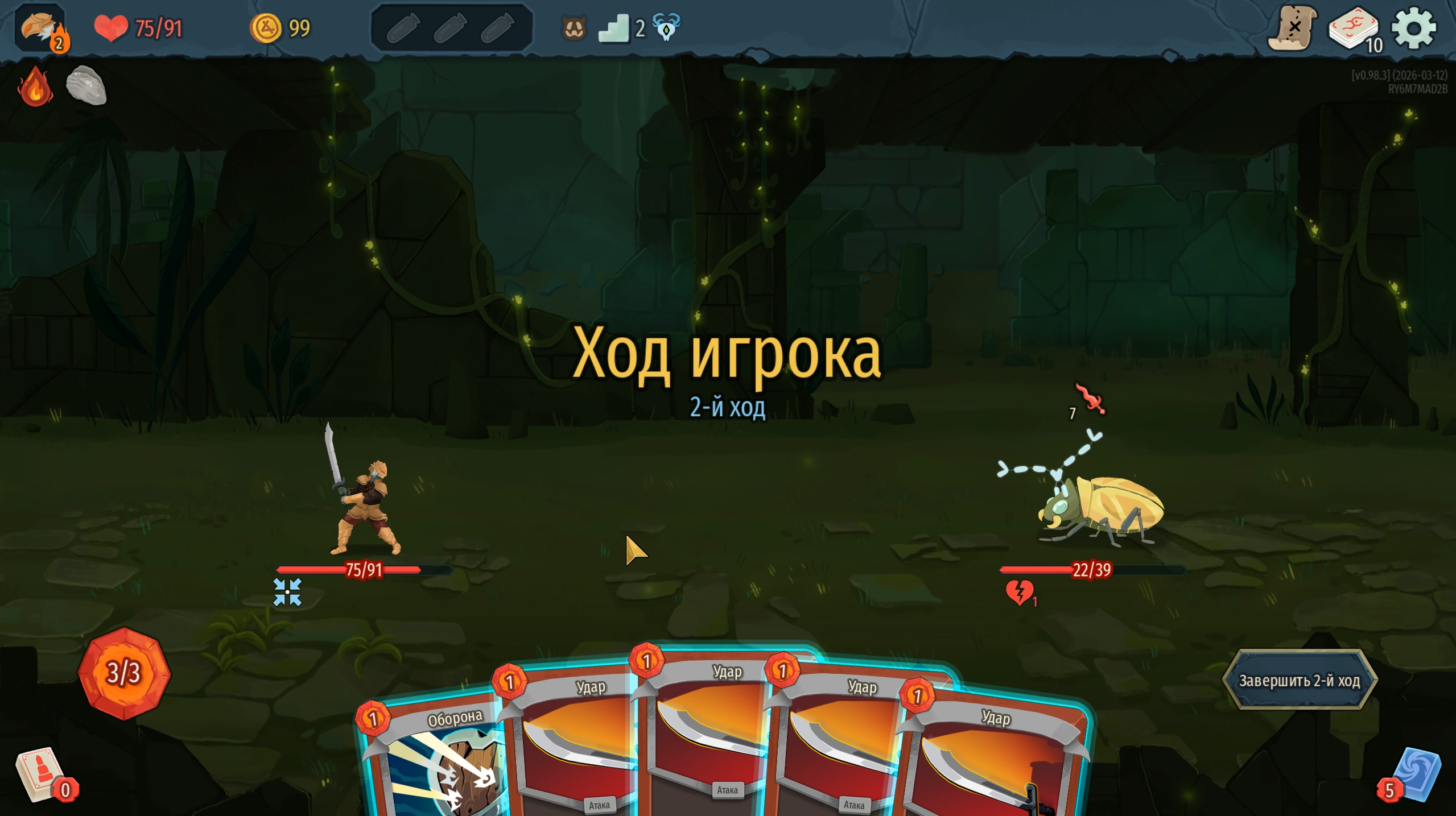
Combat is turn-based, with your actions determined by the cards in your hand. At the outset of a run, you possess a basic deck, primarily consisting of simple attacks and defensive maneuvers. Each turn, a random hand of several cards is drawn from it. Every card has an effect (e.g., “deal 6 damage” or “gain 5 block”) and an energy cost.
During your turn, you spend a limited pool of energy to play cards, aiming either to defeat your enemy or withstand their attacks. After your turn, played cards are moved to the discard pile, and new ones are drawn for the next turn. Once your draw pile is exhausted, the discard pile is shuffled and becomes your new draw pile.
Your opponent is not passive. Each turn, they might attack, defend, utilize a special ability, or do nothing. The enemy’s intentions are clearly displayed via icons next to them, allowing you to anticipate and plan your counter-strategies.
Initial cards are incredibly simple, making the rules digestible in mere minutes. However, as you advance, mechanics become more complex. Following each victory, you can choose to add one of three random cards to your deck – or decline if none are suitable. This incremental process transforms your basic deck of “deal 6, block 5” cards into something uniquely powerful.
You might assemble a deck centered on poisonous attacks, focus on devastating combos, prioritize defense and use it to deal damage, or construct a strategy around constantly cycling through your deck. The approach depends entirely on your chosen character class and personal preferences.
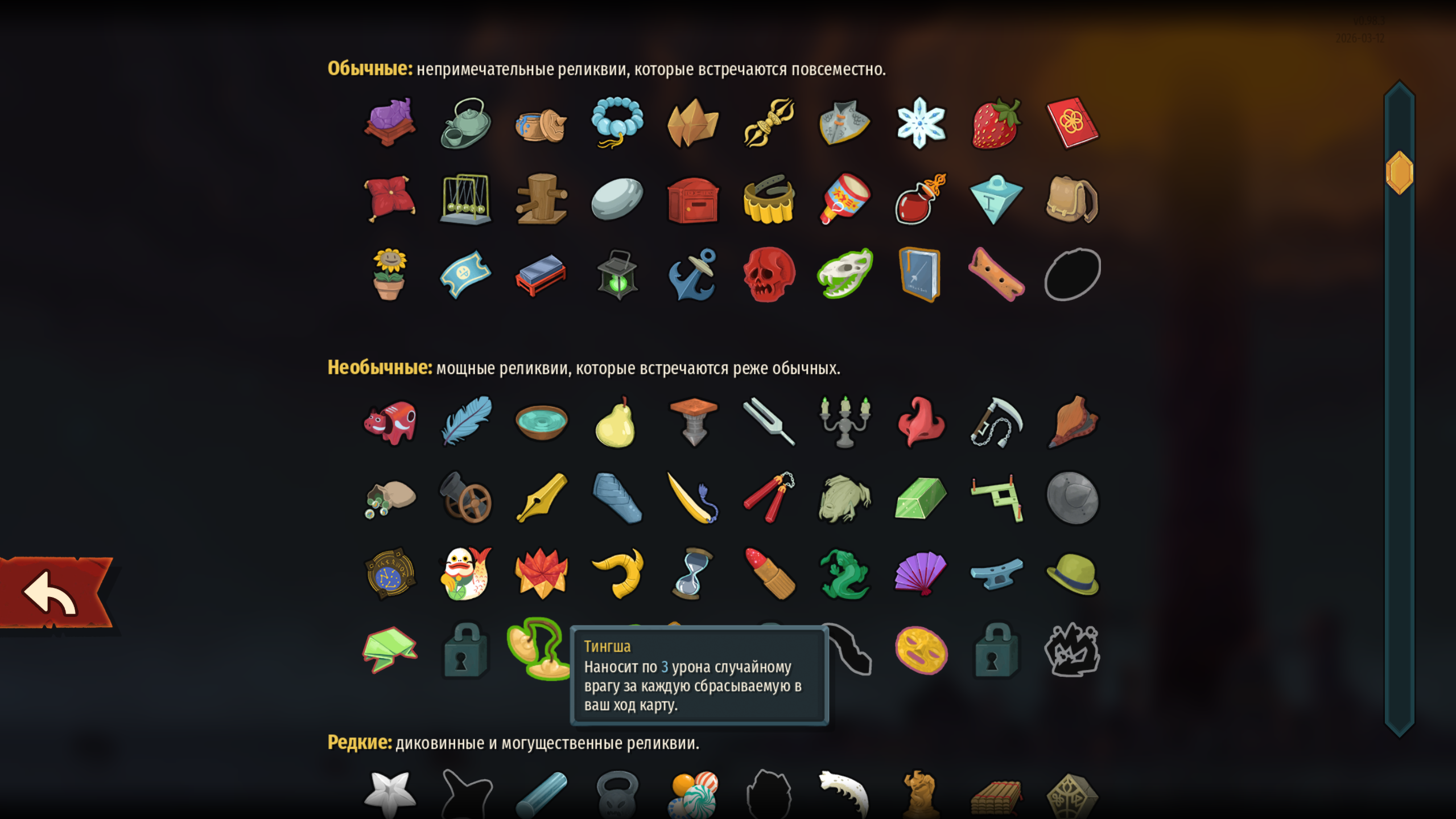
Periodically, you’ll discover relics – special artifacts that grant permanent bonuses and significantly influence your playstyle. These can range from increasing your maximum health, adding extra energy every few turns, to dealing damage to all enemies at the start of combat – with hundreds of such diverse effects.
Inevitably, you will perish, falling to an enemy or boss. This is a roguelike; defeat is an intrinsic part of the journey. A loss signifies the end of your current expedition and a return to the start, but there’s no need for frustration. You don’t truly “lose” anything; instead, you gain invaluable experience. Over time, you’ll develop a deeper understanding of card interactions, enemy behaviors, and which combinations lead to success. This is the player’s ultimate goal: to grow stronger not merely in numerical terms, but in the skill of adapting your deck to any given situation.
The sheer number of potential combinations involving classes, cards, relics, events, and adversaries ensures the game maintains long-term appeal and high replayability – even acknowledging the existence of a specific “meta,” or a set of highly effective and proven builds.
After your initial victory over the final boss, Slay the Spire unlocks “Ascension” mode. This progressively increases difficulty with each subsequent playthrough, up to 20 levels. However, it’s not simply about boosting enemy health and damage. More intriguing modifiers emerge: events are altered, bosses receive modified versions with new abilities, and additional conditions are introduced.
Generally, these changes significantly complicate the player’s journey. The sole exception might be the first Ascension level, which merely adds more elite enemies to the map. While formally increasing difficulty, it simultaneously broadens opportunities for character development.
Consequently, replayability intensifies, pushing players to delve deeper into the game’s mechanics. You’re no longer just constructing an “ideal” deck in isolation, but actively adapting to situations and discovering fresh combinations that will help you reach the Spire’s summit under altered circumstances.
All these foundational mechanics have seamlessly transferred to Slay the Spire 2. Therefore, everything discussed above applies equally to the original, its sequel, and many other games within the genre. Now that we’ve covered the general system, we can proceed to the most exciting part – exploring the specific changes the developers have introduced in the second installment.
Evolutionary Déjà Vu
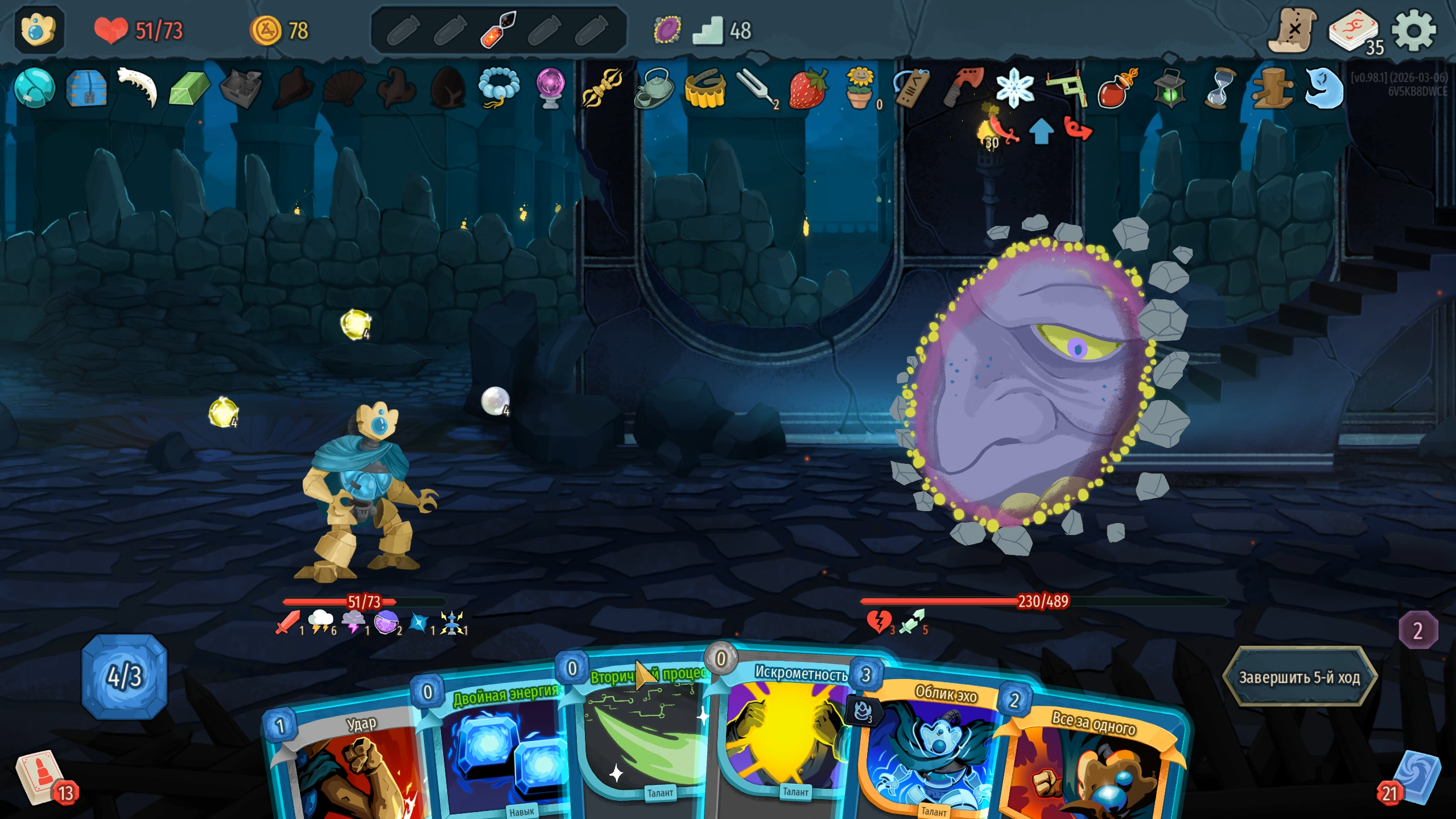
The first noticeable change is the visual overhaul. The game is distinctly prettier. Monster models boast more detail, animations are more abundant, smoother, and expressive, and the interface appears cleaner. In the first game, many elements were quite static.
Now, menus are animated, enemies exhibit more distinct movement frames, and attacks look more impactful. When a character plays an attack card, they genuinely swing a weapon, like a sword, instead of just a jerky motion. Overall, the game feels more vibrant and refined, while still retaining the original’s signature art style.
However, once a new run begins, the sense of déjà vu intensifies. You are once again greeted by the familiar Ironclad – the starting class from the original Slay the Spire. This decision is understandable: he serves as the simplest character for new players to learn the ropes, so the developers kept him largely unchanged.
Alongside him, the Silent and the Defect also make a return from the original. Veterans will find them familiar: approximately half of their cards have been carried over from the first game, and their primary build archetypes remain. For instance, the Silent can still construct decks centered around poison or shivs.
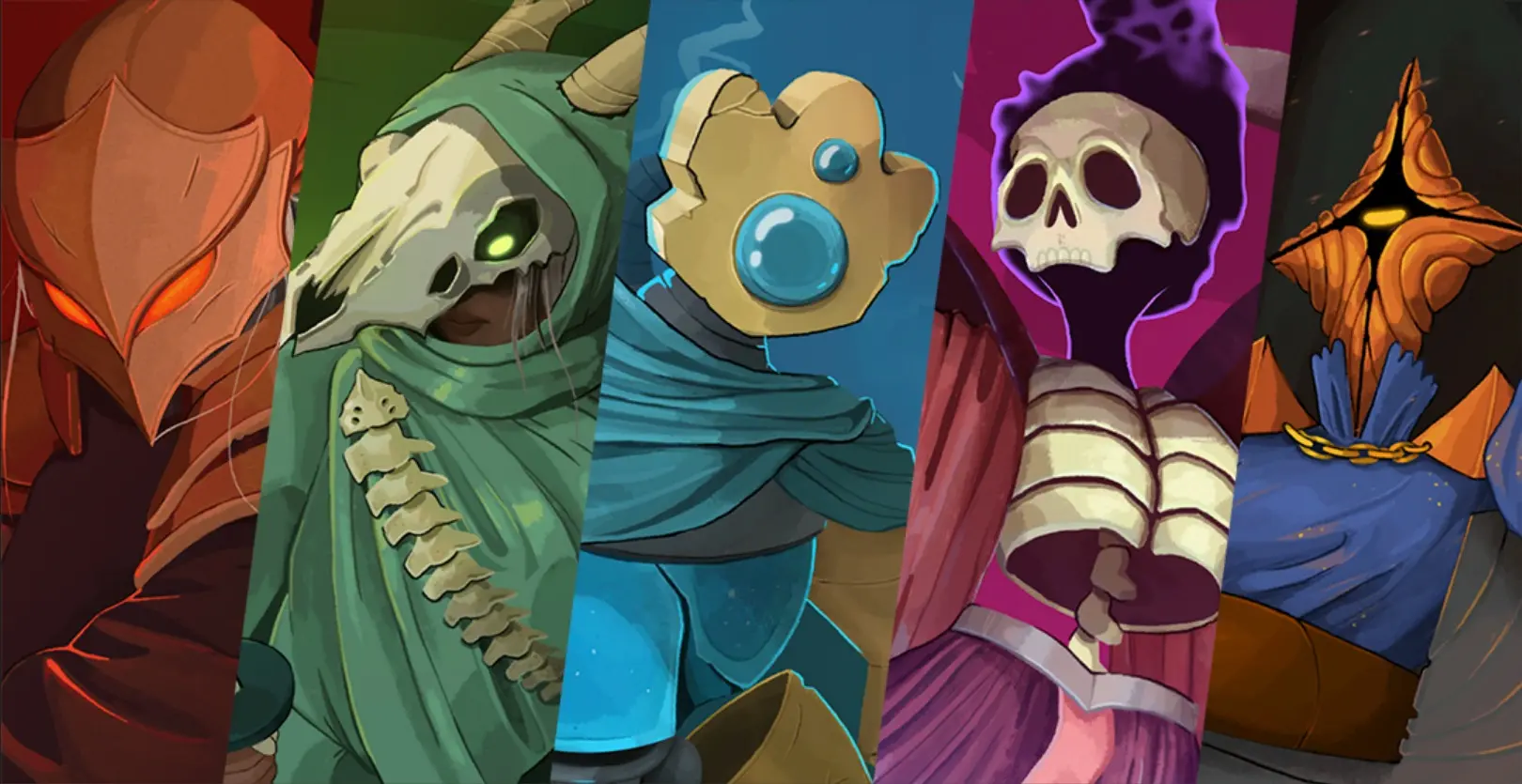
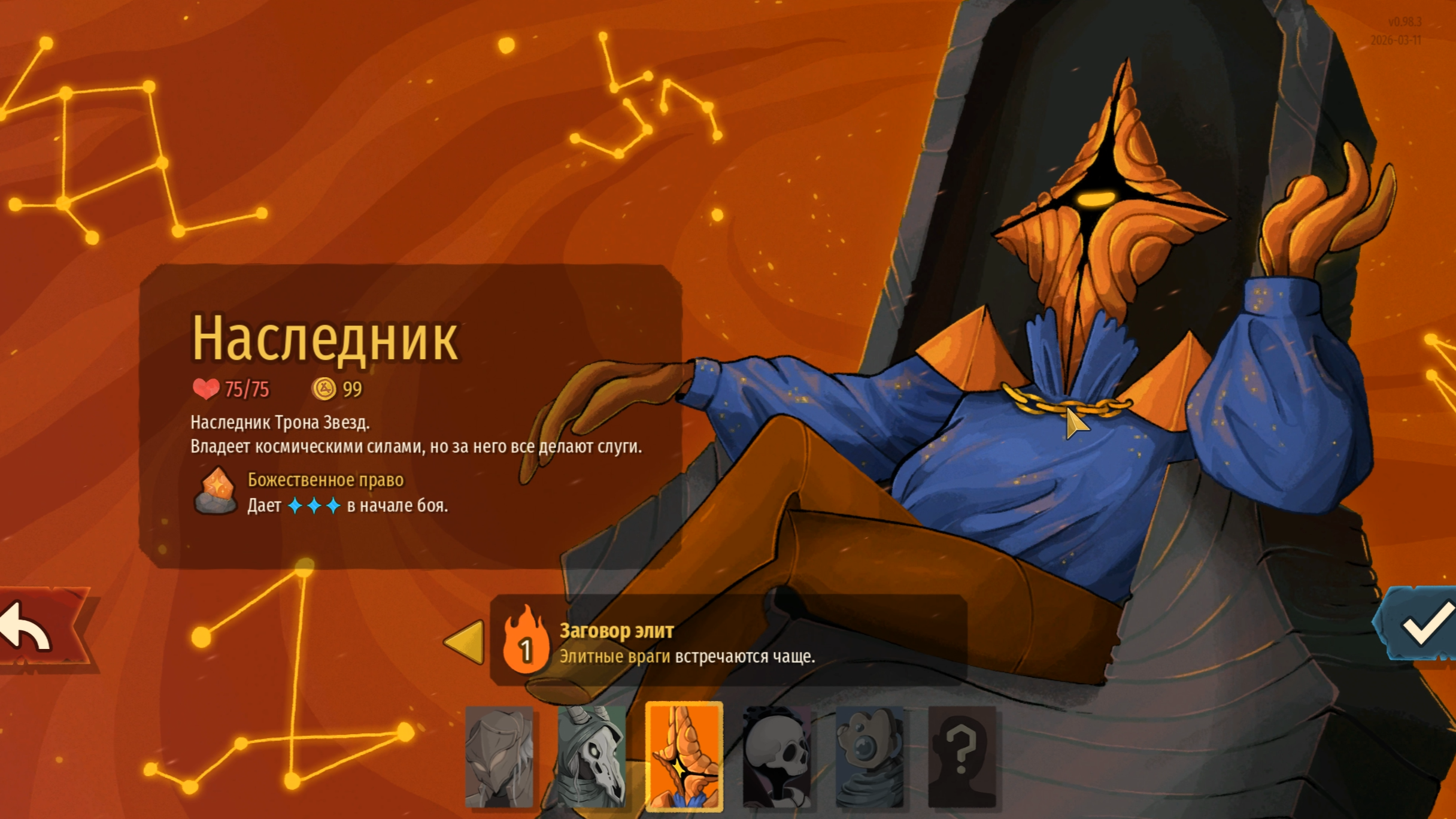
But even the returning classes have acquired new capabilities. The Ironclad now features potent combinations involving card burning, while the Silent has gained a cunning card type that plays for free upon discard. Existing builds also received fresh variations and synergies, and thanks to new relics and mechanics, playing them feels significantly more engaging. Additionally, entirely new classes have been introduced: the Heir and the Summoner.
The Heir possesses the ability to accumulate a special resource called “Stars,” which are spent alongside energy to play cards. Crucially, Stars do not reset each turn, adding an additional layer of strategic planning. Currently, the Heir has two main developmental paths: focusing on enhancing their summoned Blade or manipulating Stars, hoarding them over several turns to unleash powerful combinations.
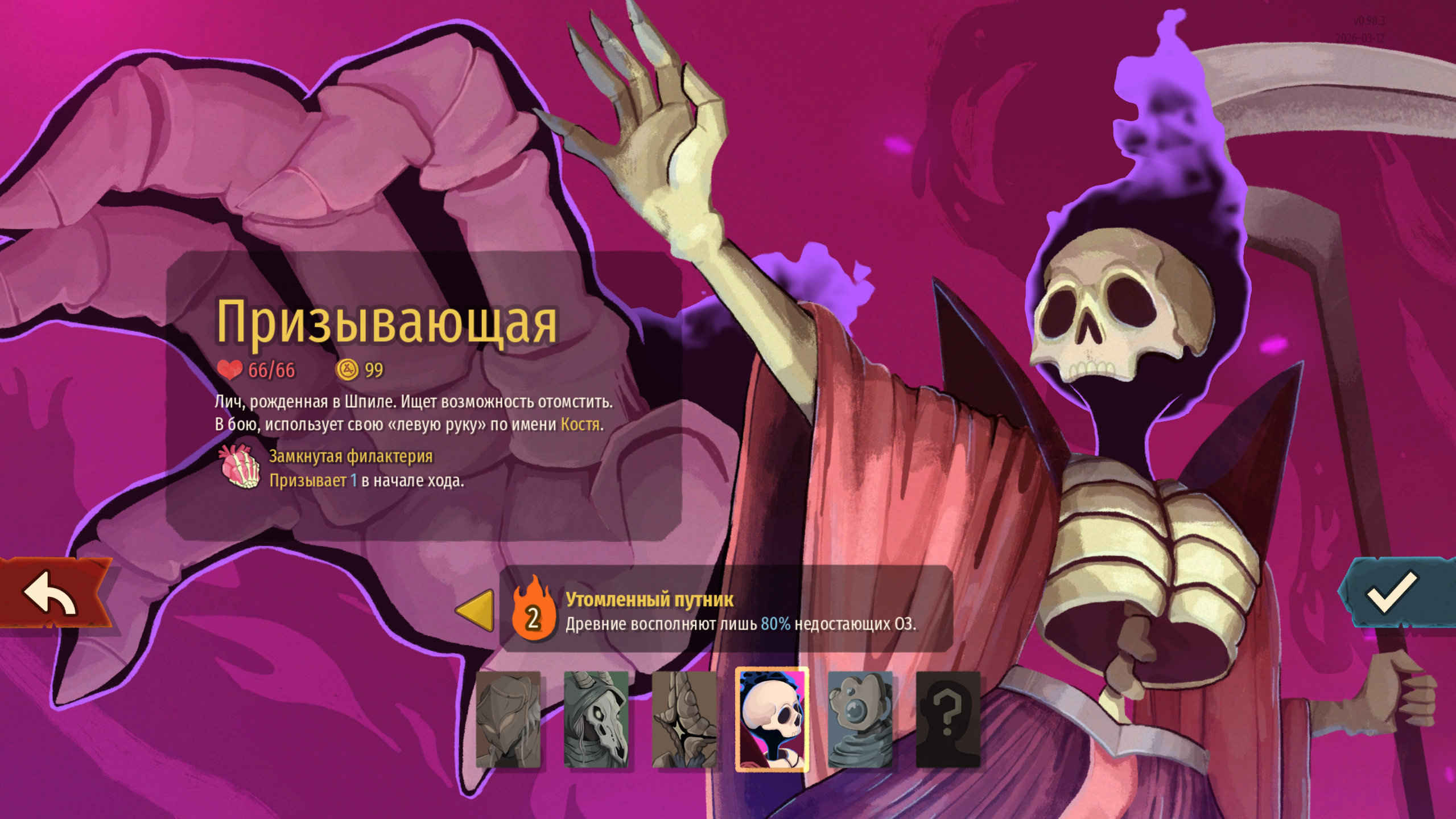
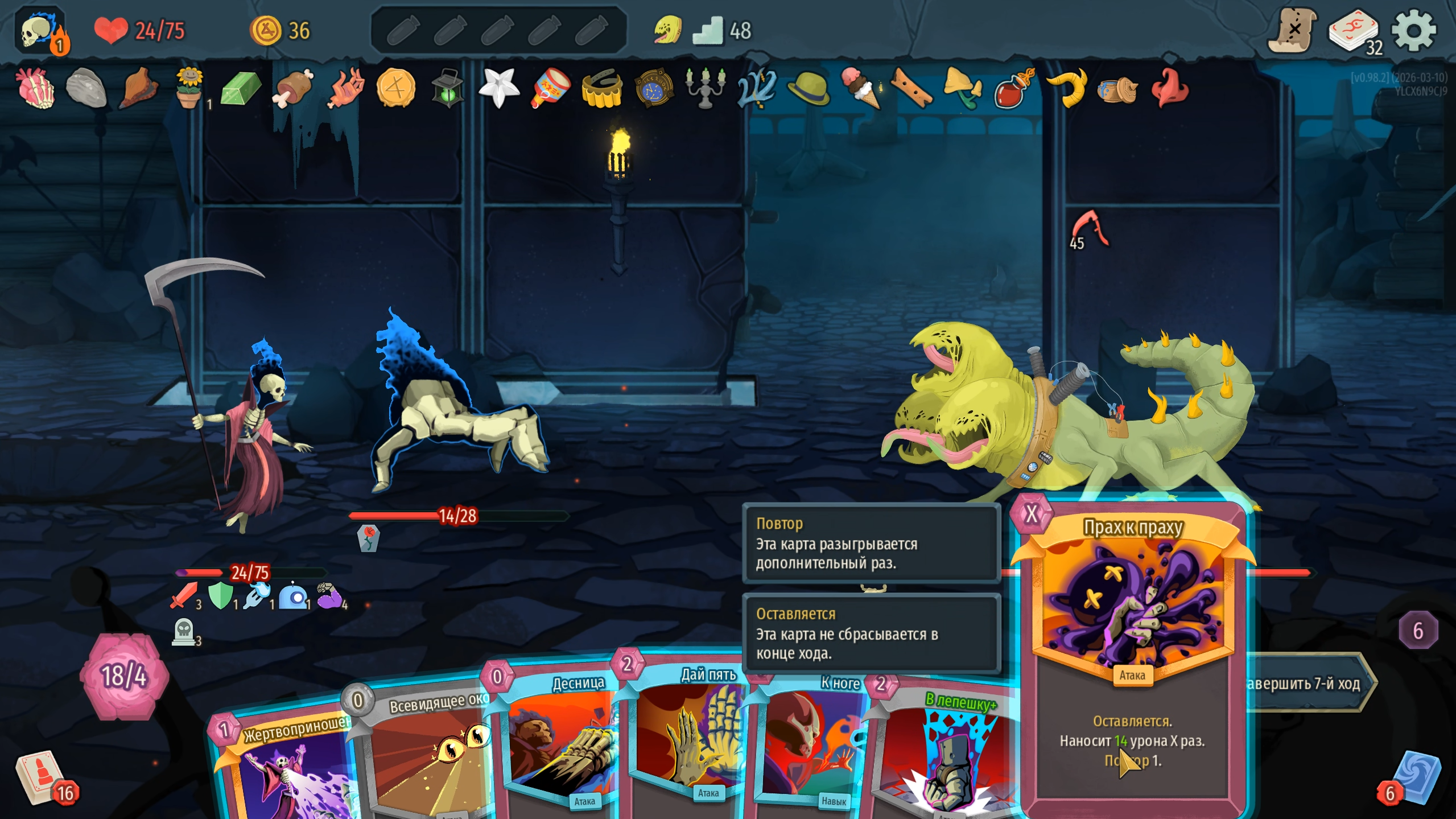
The Summoner is the game’s take on a necromancer. Each combat, she begins with a summoned creature – a boney arm named Bones. Bones essentially provides the heroine with an auxiliary health pool, absorbing damage as long as he remains active. While Bones is inherently fragile, various cards allow the Summoner to strengthen him, sacrifice him for diverse effects, and resummon him. Even if he falls, Bones reappears at the start of the next turn.
Furthermore, the Summoner introduces a “Doom” mechanic. This functions similarly to the Silent’s poison, but with a critical distinction: if the amount of Doom inflicted equals or surpasses the target’s current health, the enemy perishes at the end of the turn.
Currently, the balance between new and existing classes doesn’t appear perfectly tuned. New characters often feel slower in most builds, whereas even fresh builds for the older classes can exhibit much more explosive potential. However, this is a common occurrence in Early Access: developers gather data and gradually address imbalances, while players are still in the process of discovering the most effective combinations.
Beyond new classes, the developers have introduced a plethora of new cards, relics, events, and enemies. Fresh content is evident almost immediately. Even on the initial floors, players might encounter an unfamiliar foe or receive a card reward that was absent in the original.
Quest-oriented cards also make an appearance. For example, a treasure map that marks a gold chest in the subsequent act, or an egg card that can be “hatched” at a camp to gain a powerful attack card for your deck.
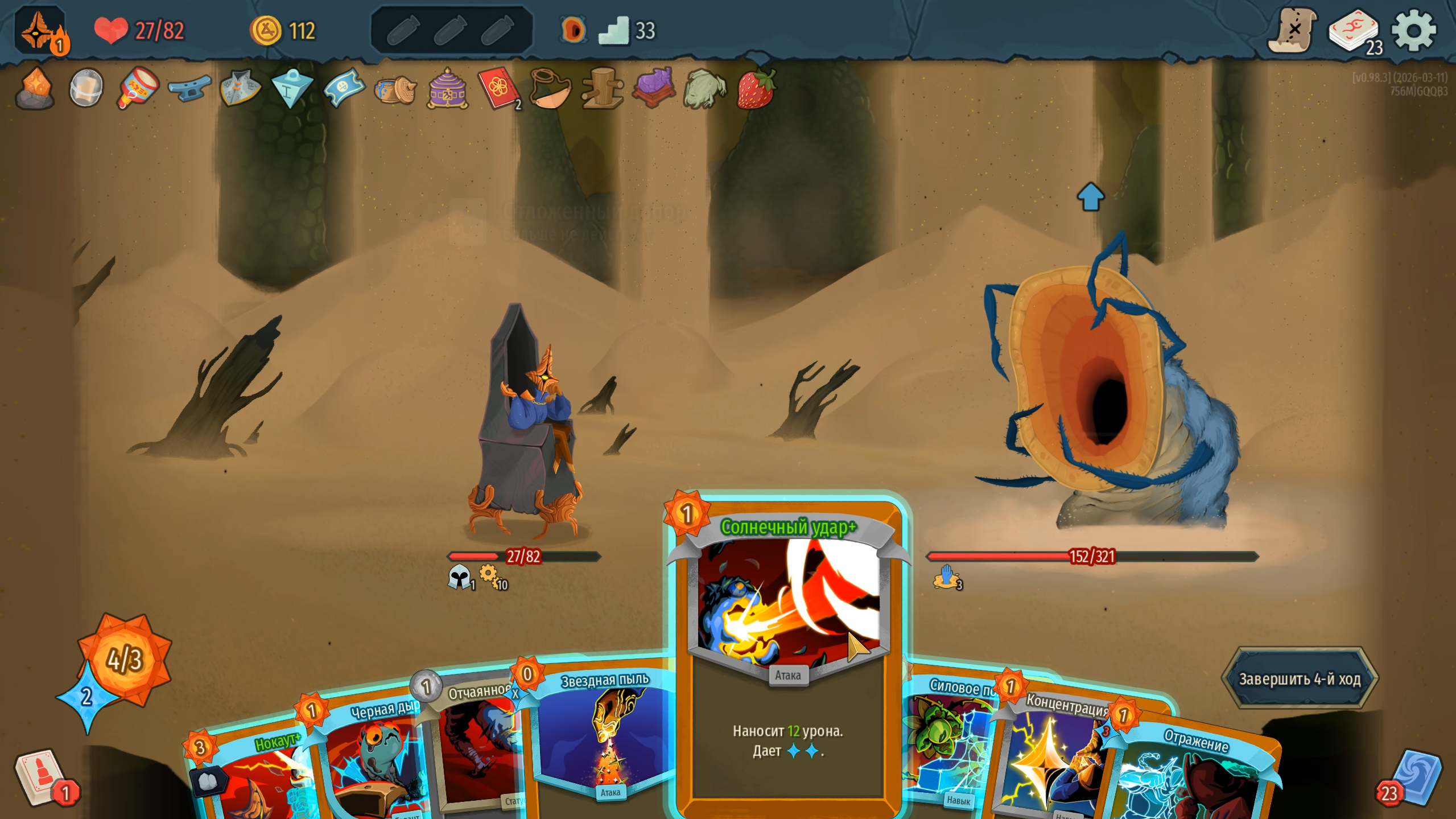
New bosses are also present. One notable example is a colossal crab with two claws, attacking from different angles, forcing players to consider their positioning. Another is a sand worm that “sucks in” the player each turn, requiring specific cards to retreat.
There are numerous such minor innovations, and enumerating them all would be lengthy. While they may not immediately stand out, cumulatively, they make Slay the Spire 2 the same game, only better and more diverse in almost every aspect. Mega Crit has taken a time-tested system and polished it to brilliance. However, it is precisely this characteristic – “the same game, only better” – that evokes mixed feelings.
The King Is Dead, Long Live the King!
The core issue is that the genre has undergone significant evolution in the years since the original’s release. While the Ironclad might have been playing “Barricade” for nine years, we now have the Monster Train duology, where battles unfold across multiple train floors simultaneously. This fundamentally alters tactics, demanding not just card play, but also strategic force distribution across defensive lines and constant positional awareness.
In Monster Train 2, the developers pushed further, introducing new layers of mechanics, inter-clan synergies, active abilities, and floor-specific cards. Against this backdrop, the distinction between the original Monster Train and its sequel feels far more pronounced than between Slay the Spire and its follow-up.
But Monster Train isn’t the sole example of the genre’s progression. There’s also the excellent Knock on the Coffin Lid from Russian developers, which ingeniously blends card roguelike elements with RPG mechanics. Runs in that game are enriched with micro-narratives, events, and the consequences of player choices. While it might have lower replayability and a less mathematically precise system than Slay the Spire, it offers a richer, more narrative experience beyond pure mechanics.
We’ve also seen roguelikes emerge where enemies can be swayed by diplomacy, and games where core mechanics revolve around the positioning of enemies relative to the player. Examples abound, and against this backdrop, Slay the Spire 2 appears to be an overly cautious sequel. So much so that one is occasionally tempted to label it a remaster, a remake, or even “full-price DLC,” rather than a truly transformative continuation.
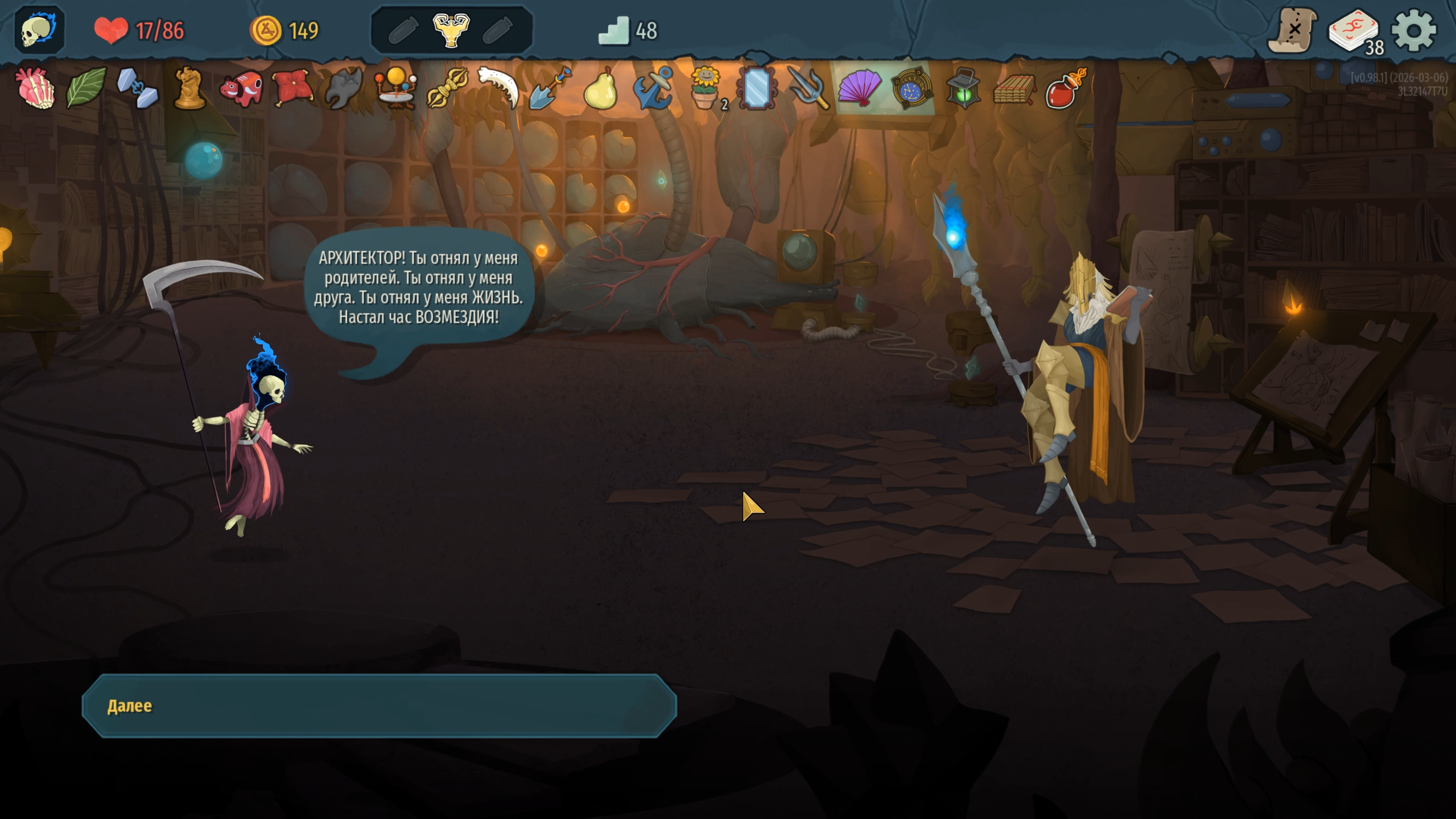
Yes, the game has introduced a semblance of lore. Under certain conditions, “Eras” are unlocked, offering brief glimpses into the world and its characters. This has minimal impact on the gameplay itself – beyond the fact that unlocking Eras grants new cards and relics, though these were acquired similarly before.
In all other respects, Slay the Spire 2 strictly adheres to the genre’s established rules. There’s currently no indication that the developers intend to radically alter or expand this foundational formula.
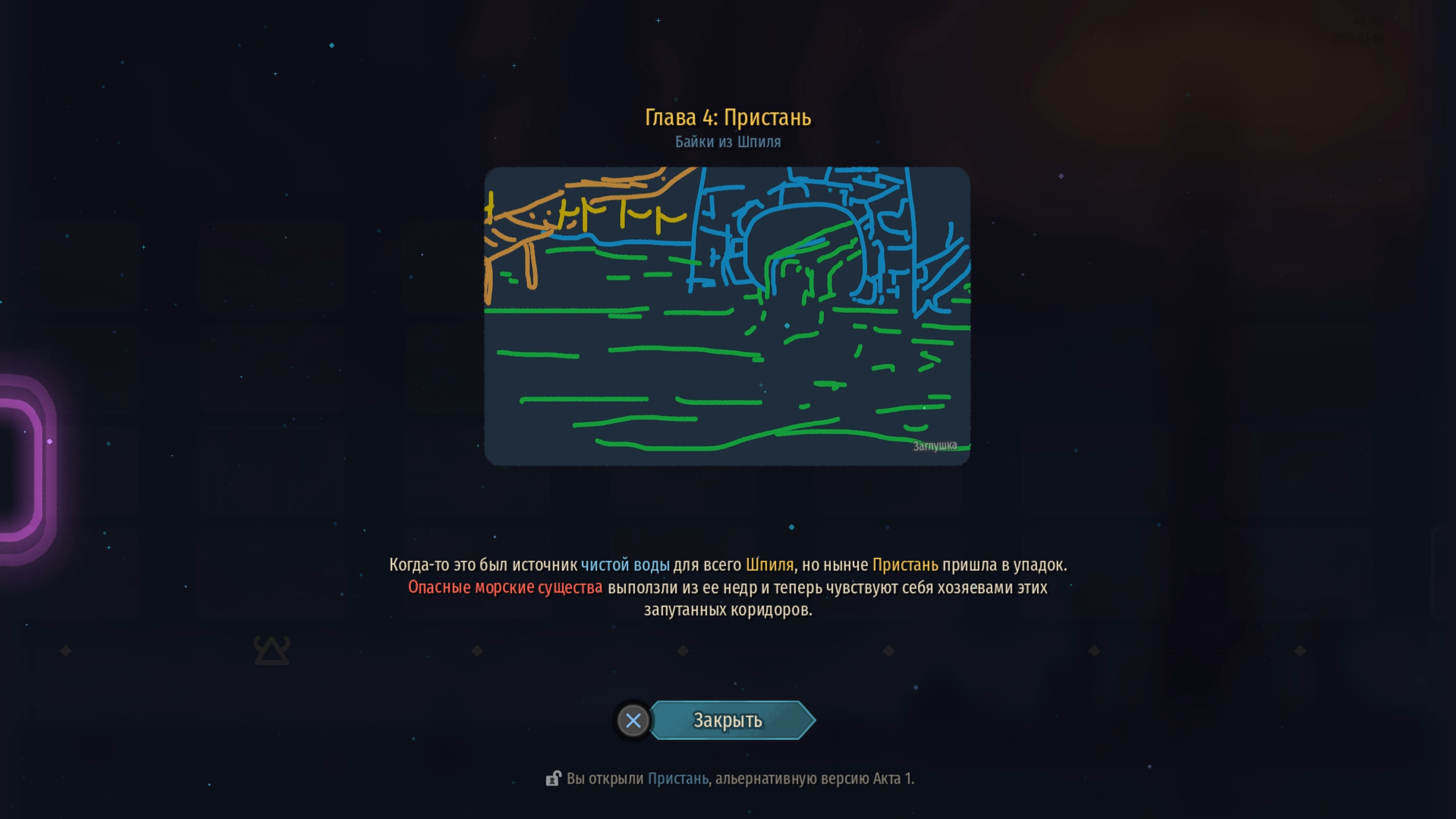
Currently, the Early Access version of the game is priced at roughly 1100 rubles (or $25). The final act is still missing, some sections lack Russian localization, and certain visual elements are temporary placeholders that appear crudely drawn. Frankly, as a long-time fan, I would have paid even more for it without hesitation. However, many players might conclude that the game is overpriced – both literally and figuratively. And it’s difficult to dispute that sentiment.
But we are, after all, discussing a card roguelike. And that implies a hidden ace up its sleeve. Indeed, it has one: the cooperative mode.
Fans have yearned for cooperative play for years, and Mega Crit has finally delivered a four-player mode. For now, it’s limited to playing with friends – there’s no random matchmaking system. It’s commendable that the developers didn’t simply opt for the easy route of “more players, tougher enemies.” While opponents do become stronger, the game introduces special cooperative cards with unique synergies and interaction mechanics. Furthermore, many standard cards with buffs, defense, and other effects can now be applied to allies – as can potions.
This provides immense scope for experimentation. Players can choose multiple identical classes or, conversely, diverse ones, allowing teammates to compensate for weaknesses and amplify strengths, leading to truly wild combinations. The only downside is simple: you need friends to play with.
But what if cooperative play doesn’t interest you? Then Slay the Spire 2 finds itself in a curious position. On one hand, we have a refined iteration of one of the genre’s finest systems. The mechanics operate with the same precision as before, and the addition of new cards, relics, and events further boosts variability. Runs remain captivating, and the familiar scenario of “just one more run – then definitely sleep,” which starts at ten in the evening and ends at four in the morning, is still very much present.
On the other hand, the sole objective that the sequel achieves perfectly is effectively “killing” the first Slay the Spire, rendering its continued existence almost redundant.
If you’ve never played Slay the Spire and are new to the genre, I wouldn’t recommend immediately jumping on this hype train. It’s much more sensible to begin with the first game. During sales, it can often be purchased for as little as 225 rubles, sometimes even 99. It remains a magnificent game that better than any article explains why card roguelikes evolved into a distinct genre. Moreover, it’s accessible even on smartphones.
If that game resonates with you – and the likelihood is quite high – then you can consider the sequel. Especially since owners of the first game on Steam can buy the second with a discount, potentially recouping the cost of the original.
However, if you are a long-time fan of the series, you’ve likely already bought the sequel – and I completely understand why. But let’s be honest: Slay the Spire 2’s unprecedented online player count isn’t because it represents a new pinnacle for the genre, but because it had a legendary predecessor. As a system, Slay the Spire 2 might indeed be worthy of the crown. But if you’re seeking something more profoundly new, it’s easy to view not an heir on the throne, but an usurper.
Verdict
Slay the Spire 2 marks a brilliant return for a legend, yet it raises as many questions as it garners praise.
Primarily, the sequel is best recommended to those who cherished the first “Spire” and yearn to ascend its peak once more. If you’re eager to continuously build decks, test your luck in random events, and spend hours meticulously planning ideal combinations, you’ll be rewarded with dozens, if not hundreds, of hours of captivating gameplay.
The second installment has genuinely become more visually appealing, richer in content, and more diverse. Veterans will quickly adapt and appreciate the subtle enhancements, while newcomers will have the opportunity to experience an exemplary genre representative at its peak form.
However, for those who anticipated fundamentally new ideas from the sequel, the game might prove disappointing. If the Slay the Spire formula has become tiresome, or if you hoped for a revolution, the “Second Spire” could very well fall short. It’s not a new stage in genre evolution, but rather a meticulous refinement of a familiar formula. Yes, co-op, new characters, cards, and relics have been introduced – but these are largely evolutionary rather than revolutionary changes.
If you’ve approached the game solely due to the hype and record online numbers, it’s worth remembering: “Spire” is by no means the only strong card roguelike. The genre abounds with worthy projects that deserve attention and can offer the “freshness” that Mega Crit’s sequel sometimes lacks.