

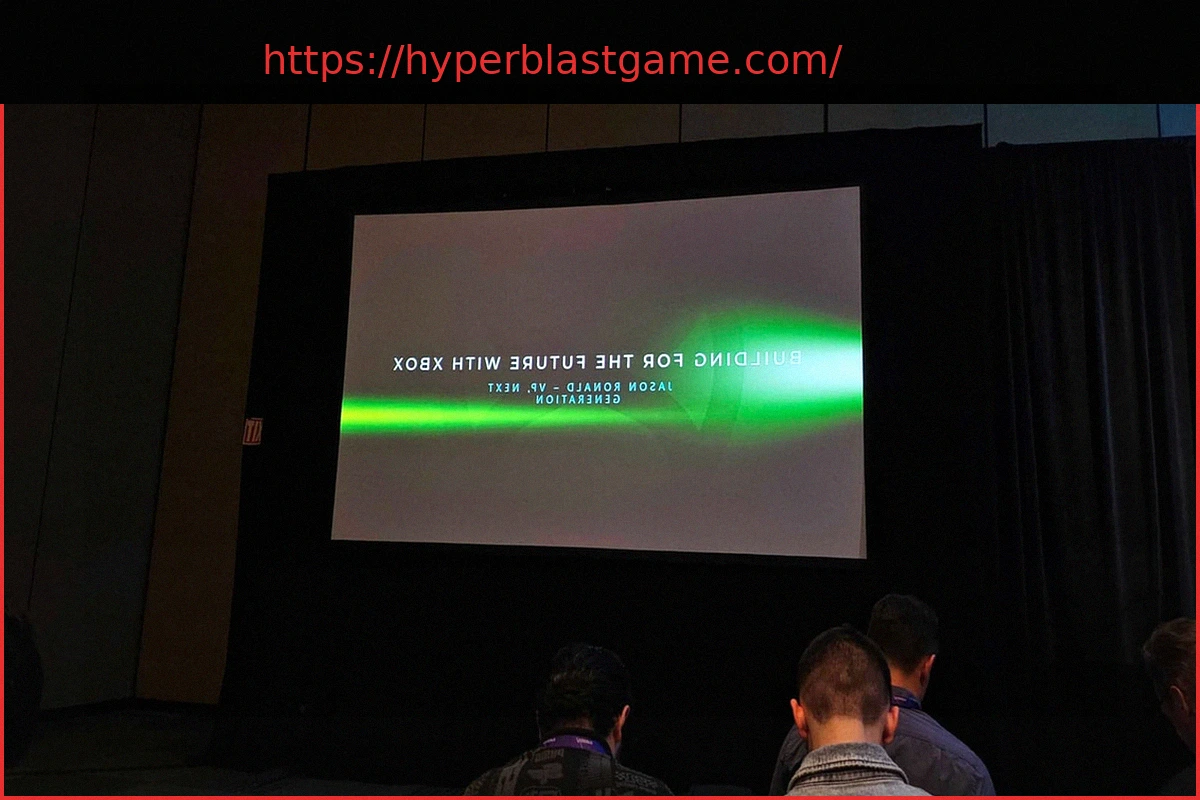
Microsoft officially unveiled its next-generation console, Xbox Project Helix, at the Game Developers Conference, sharing initial details with the public. Jason Ronald, Vice President of Next Generation Xbox, emphasized the company’s ambition to forge a unified platform for developers, aiming to streamline game releases across diverse devices.
The core innovation of Project Helix lies in its hybrid nature: the system is engineered to run both Xbox and PC games, effectively merging the console and personal computer gaming landscapes. Powered by a custom AMD System-on-Chip (SoC) and built with the next generation of DirectX in mind, the device promises high performance and an enhanced gaming experience.
Key Features of Project Helix:
- Comprehensive support for both Xbox and PC games.
- A custom System-on-Chip (SoC) developed by AMD.
- An architecture optimized for the upcoming generation of DirectX.
- Next-generation ray tracing capabilities and advanced rendering features.
- GPU Directed Work Graph Execution for efficient task management.
- Integration with AMD FSR Next technologies.
Advanced Technologies for Rendering and AI:
- Next-generation neural rendering.
- Next-generation machine learning-based scaling.
- Multi-frame image generation via machine learning.
- Ray regeneration for advanced ray and path tracing.
- Deep texture compression.
- Neural texture compression.
- DirectStorage with Zstd.
Ronald underscored Microsoft’s commitment to adapting Xbox to evolving player habits, stating that the traditional division between console, PC, or mobile gamers is becoming obsolete. Project Helix is poised to be a foundational element in Microsoft’s strategy to deliver a seamless, unified gaming experience across all devices.