

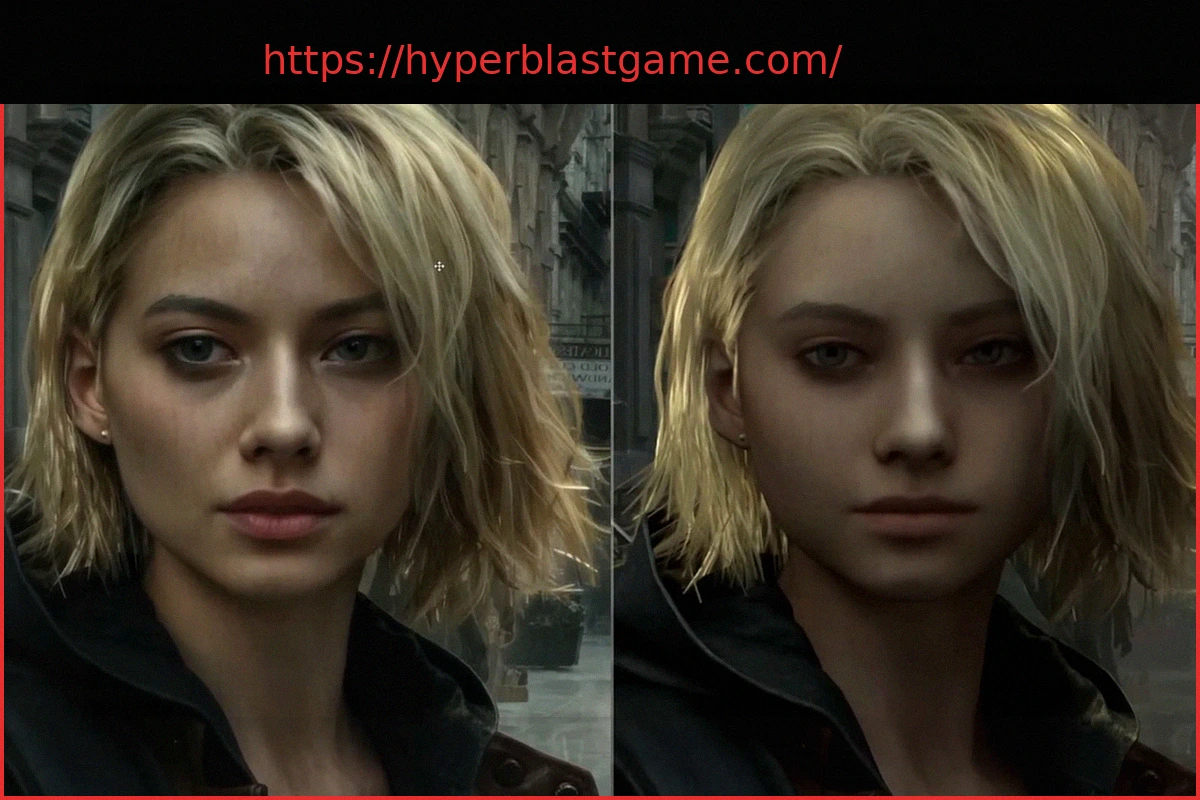
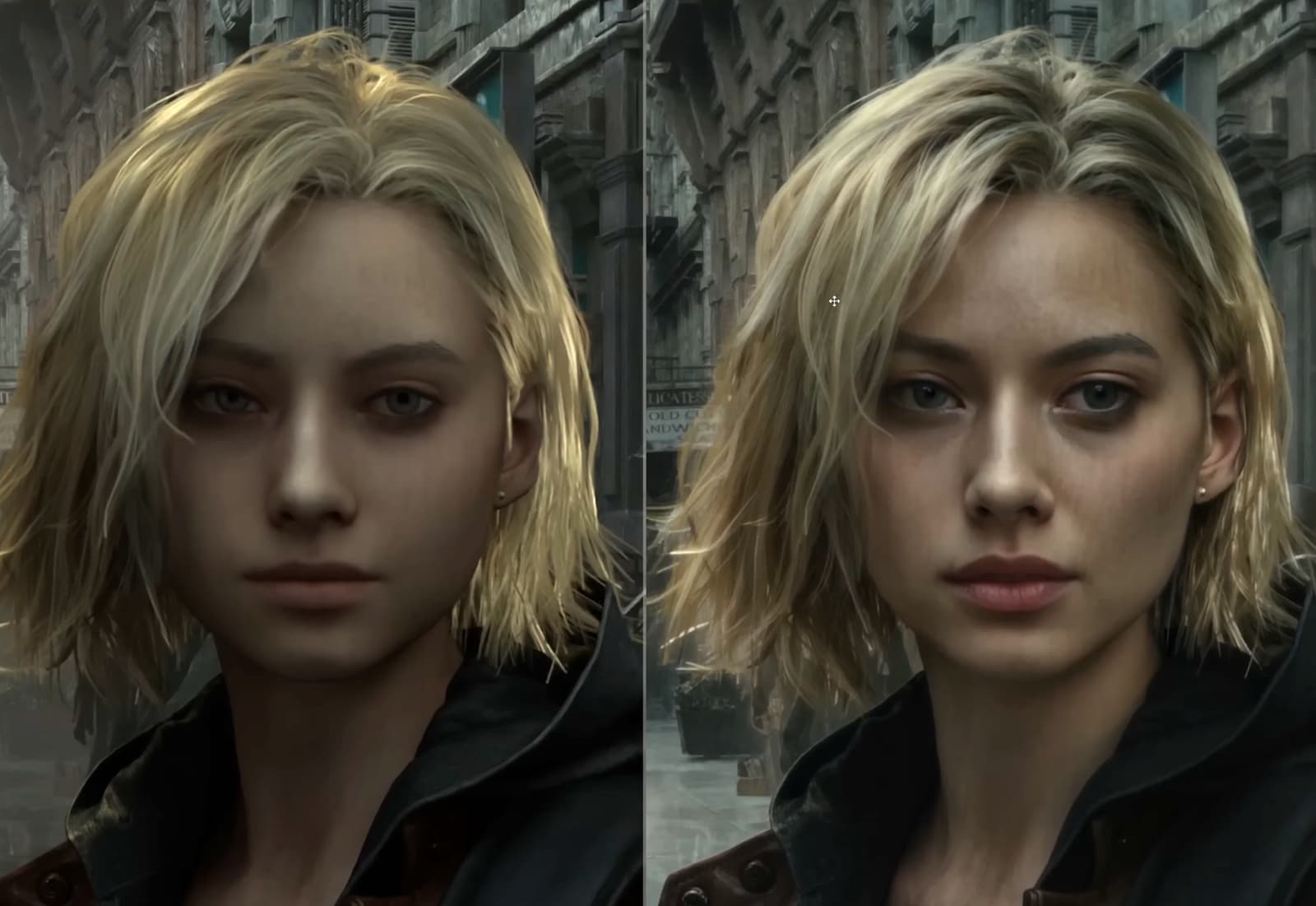
NVIDIA recently unveiled DLSS 5.0, and the new iteration has immediately raised significant concerns. This technology, traditionally an upscaling solution, now appears to function more like an “AI filter,” exhibiting the capability to fundamentally alter the appearance of in-game characters, down to their facial structure and eye features.
A specific demonstration using an example from *Resident Evil Requiem* showcased how DLSS 5.0 could seemingly add age to the protagonist, modify her makeup, shift the position of her eyes, alter her jawline, and even change other distinct facial traits. The resulting image noticeably deviates from the original, thereby impacting the intended artistic style and integrity of the game.
Prominent blogger Daniel Owen, commenting on these developments, unequivocally stated, “this is no longer DLSS.” He argued that such an “AI filter” functionality would be more appropriately introduced as a standalone feature rather than being presented as a new generation of the core DLSS technology.
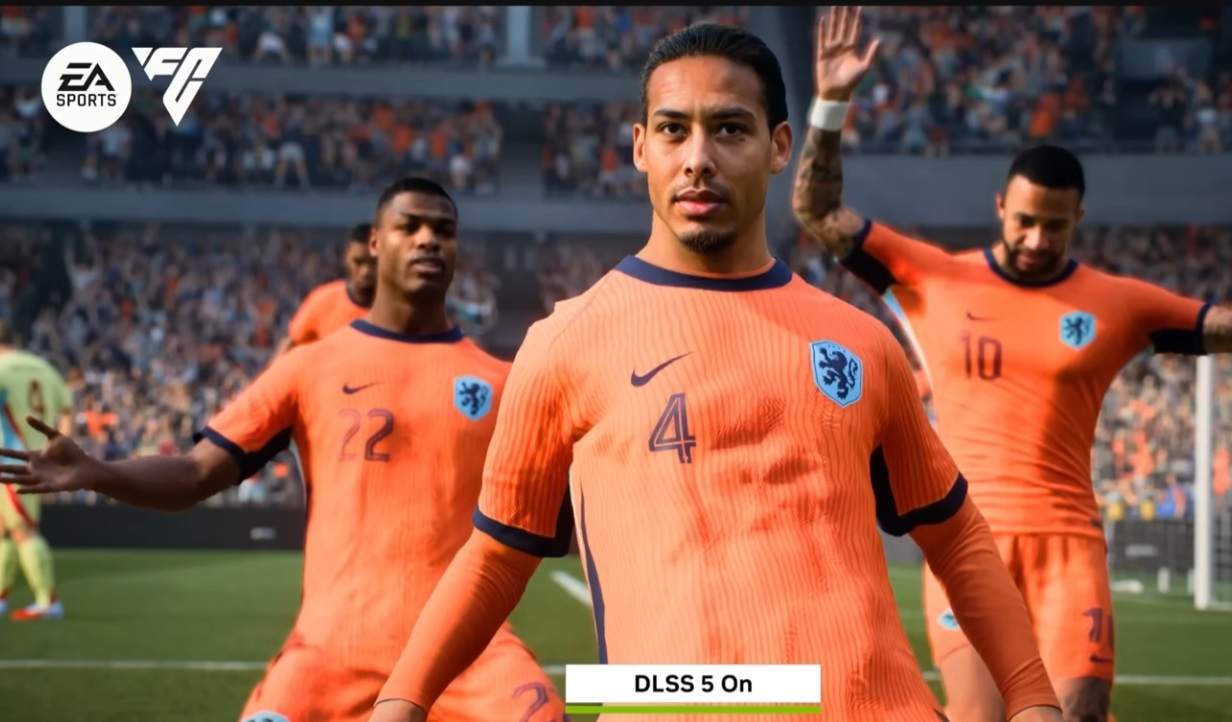
The foundational principle of DLSS was to enhance performance without compromising visual fidelity, aiming for an image quality virtually indistinguishable from native rendering. However, version 5.0 not only modifies the original visual output but also reportedly demands two GeForce RTX 5090 graphics cards to render the effects demonstrated in its preview.
According to NVIDIA’s current timeline, the full release of DLSS 5.0 is tentatively scheduled for Fall 2026.