

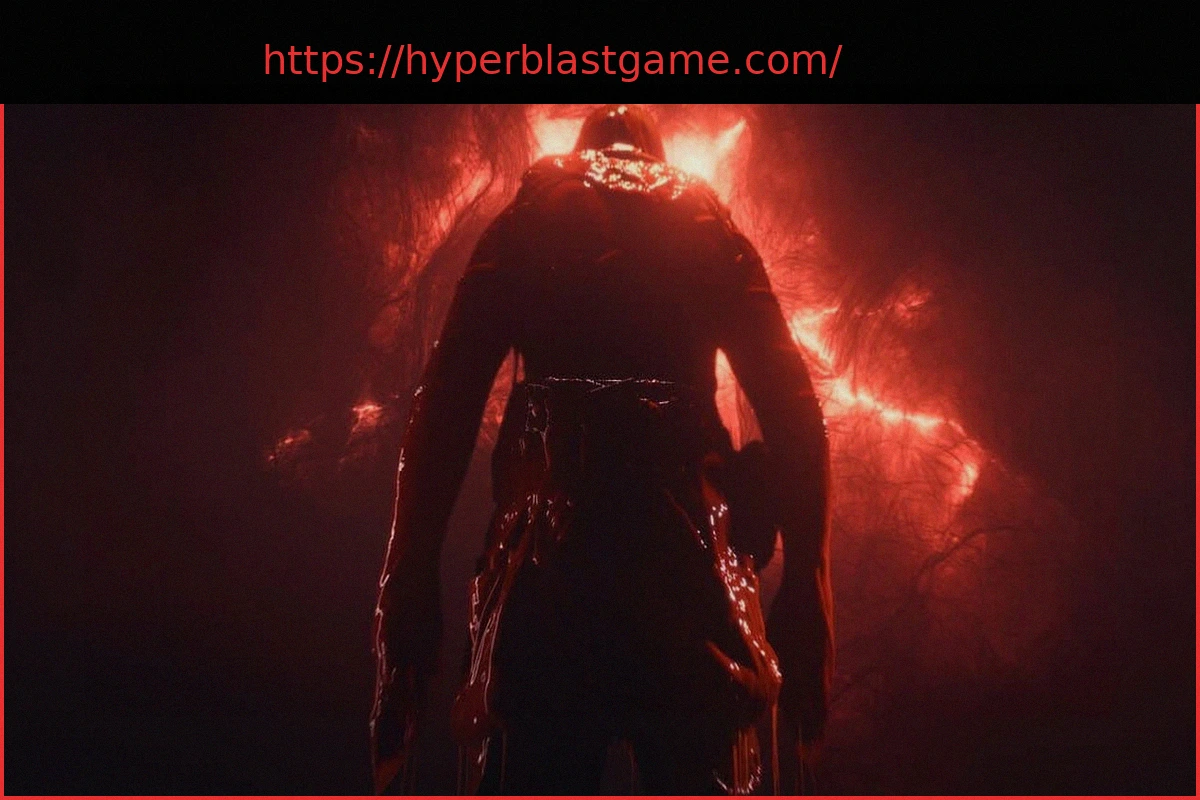

The indie horror game Iron Lung, previously known only to a niche group of gamers, gained unexpected popularity thanks to YouTuber Mark Fischbach (Markiplier). Inspired by the game’s world, he assembled a team to create a film adaptation. The outcome exceeded all expectations: the independent film became a sensation and even topped the box office.
The success story of this film originates with indie developer David Szymanski, primarily known for the boomer-shooter DUSK. This game, inspired by classics like DOOM, BLOOD, and Quake, captivated fans with its intense gameplay. Those familiar with Szymanski’s work also eagerly await the full release of Gloomwood, an immersive survival simulator with stealth elements.
The gameplay of the horror game Iron Lung is significantly less dynamic. The player is cast as a death-row inmate, placed in a submarine to explore an ocean of blood. With no portholes, the only way to see the outside world is through a camera. Players must navigate almost blindly, reacting to every sound and waiting for the photographic results.
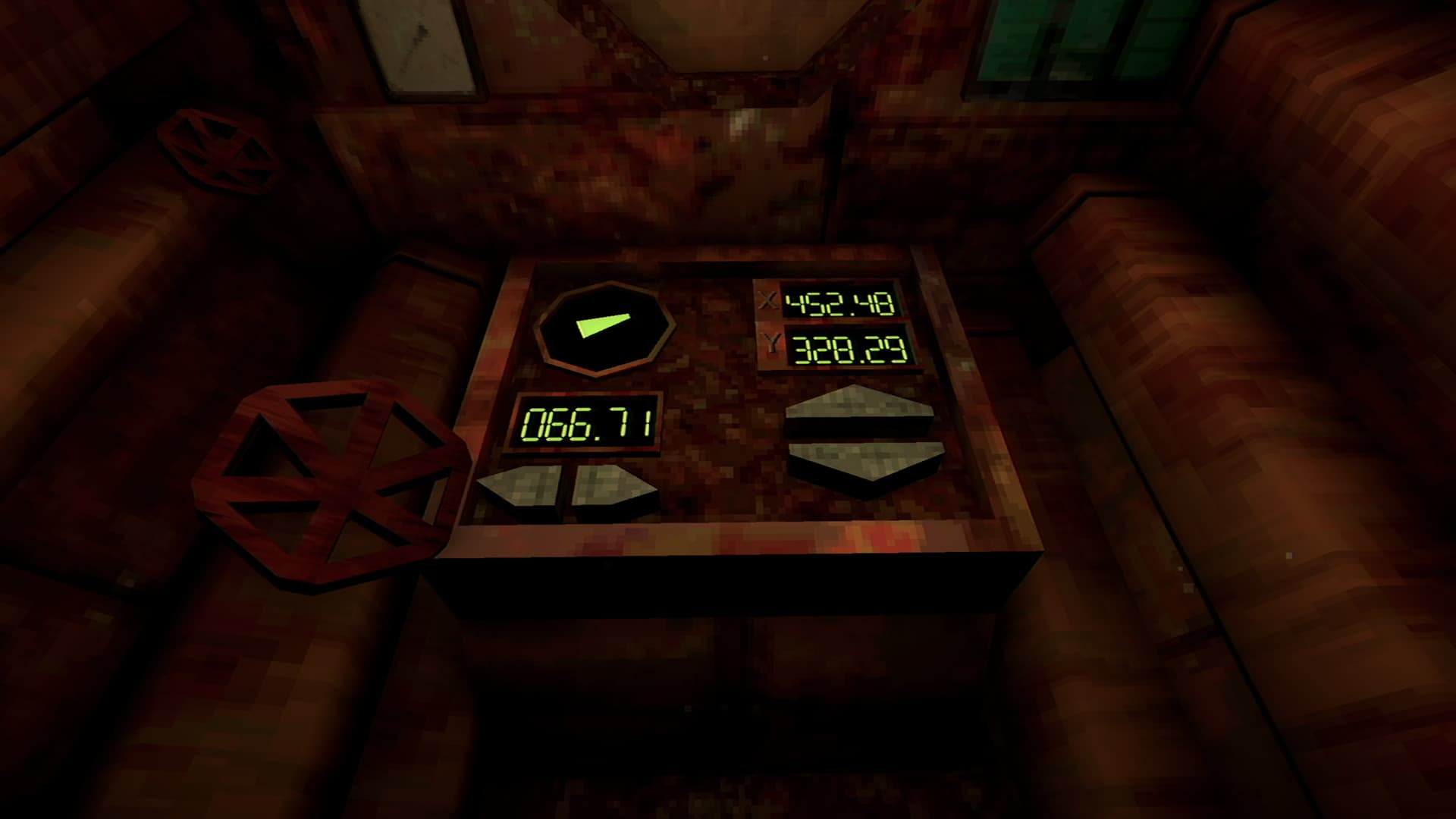
The game gained renown for its unique lore: humanity, having successfully colonized the galaxy, suddenly faced a catastrophe known as the “Quiet Rapture,” resulting in the disappearance of all stars and planets. The only survivors were those on orbital stations and spacecraft. On one of the few remaining moons, a mysterious ocean of blood was discovered, where the last remnants of humanity hoped to find a path to salvation. This is precisely where the protagonist is sent.
This dark and mysterious world attracted both horror fans and the well-known YouTuber Mark Fischbach (Markiplier). Mark, who had already significantly contributed to the popularization of the Five Nights at Freddy’s franchise, went even further with Iron Lung, deciding to personally sponsor and direct a film adaptation. Production began in February 2023.
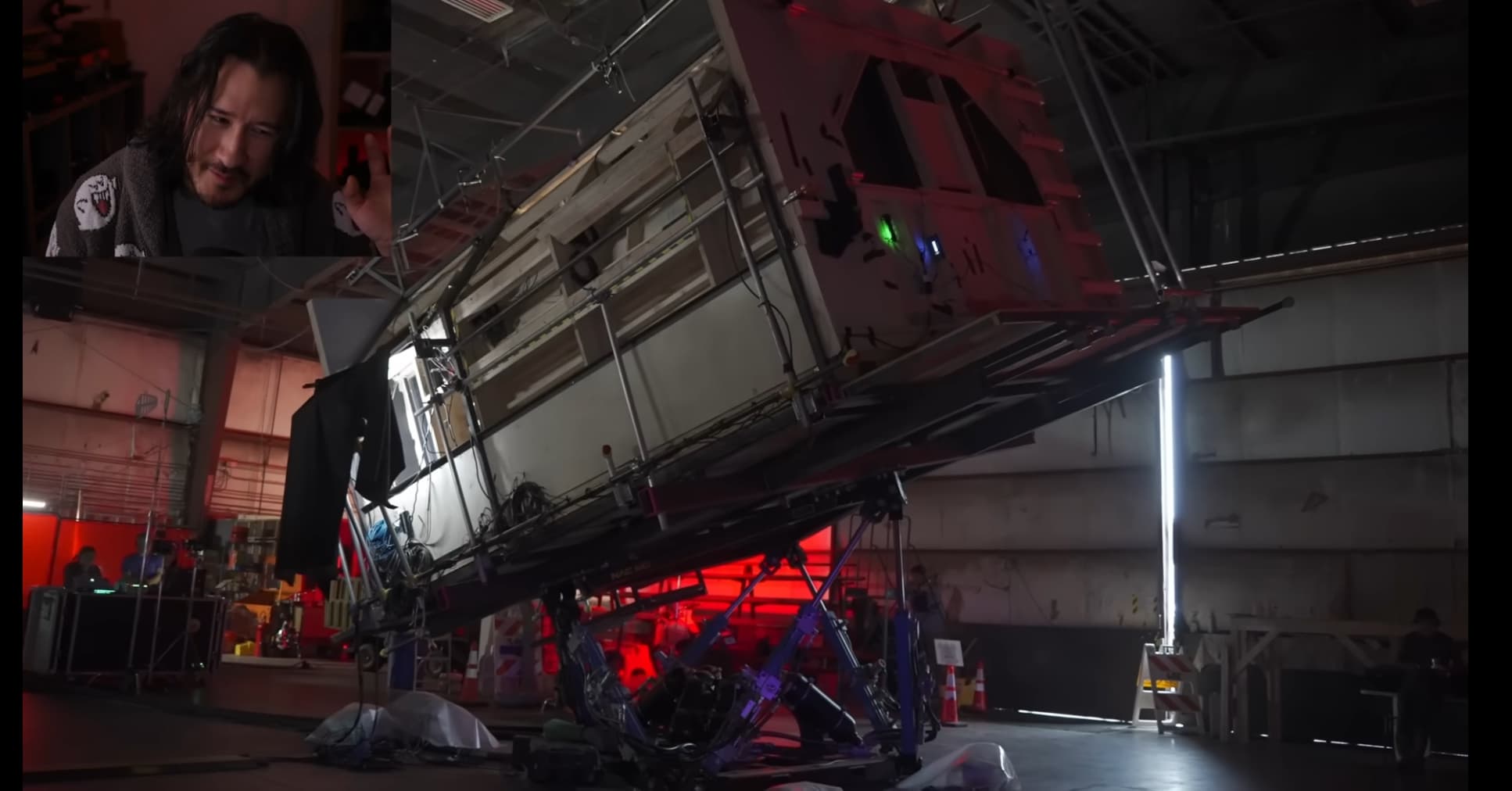
Mark secured the support of David Szymanski and assembled a team of like-minded individuals. A special container was used to recreate the submarine’s interior. 300,000 liters of artificial blood were required for filming the ocean of blood scenes, into which Mark himself, playing the inmate, was immersed. The musical score was composed by Andrew Hulshult, known for his soundtracks to DUSK, Doom Eternal: The Ancient Gods, Prodeus, Amid Evil, and the remasters of Heretic and Hexen.
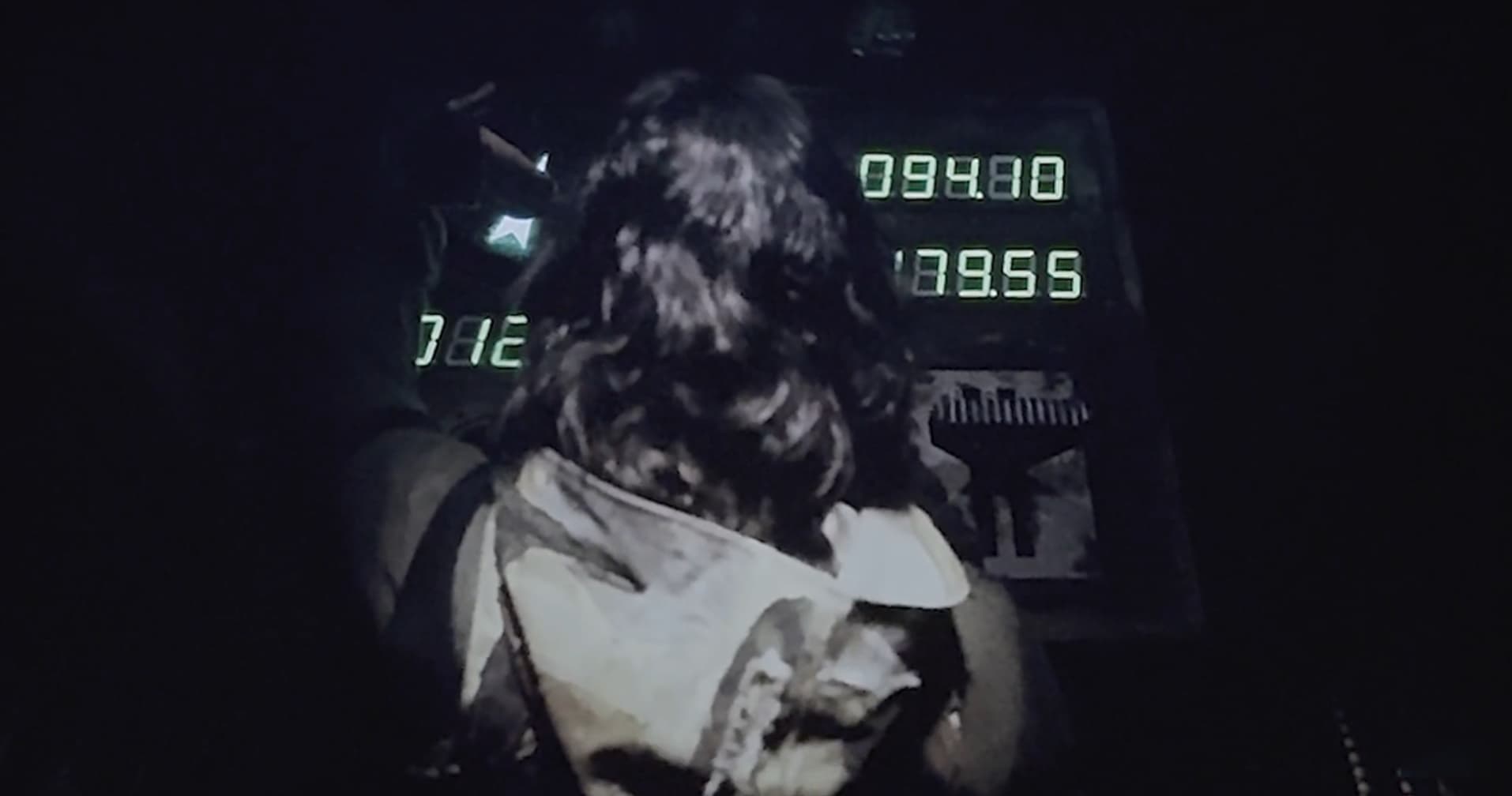
Although the team aimed for an accurate adaptation of the game’s atmosphere, they understood that watching the interior of a submarine for two hours might not engage everyone. Therefore, various cinematic tricks and visual effects were employed to create a powerful sense of despair and claustrophobia. Tension was built through eerie sounds and constant reminders of dwindling oxygen. The feeling of danger was intensified by collisions with unseen obstacles, equipment malfunctions, and the ominous slow filling of the submarine with blood.
The key difference between the film and the game lies in the protagonist’s portrayal. In the game, it’s a faceless player avatar, whereas in the film, the inmate, played by Mark, is given a full backstory; for his actions, he was dubbed “The Butcher.” The protagonist’s dialogues with people on the surface reveal more about the survivors, their beliefs, and their desperate search for salvation. Over time, the protagonist begins to suffer from hallucinations and, perhaps, communicates with entities from the ocean of blood. This intrigue leaves the viewer questioning: “Is this truly happening, or is it merely the product of the main character’s imagination?”
Mark actively leveraged his charisma and the power of his personal brand to promote the film. He engaged his audience of 38 million subscribers to widely disseminate news of the release. During theatrical screenings, he made surprise appearances at various cinemas to meet fans. Additionally, a campaign was organized, encouraging viewers to become blood donors.
The results surpassed all predictions. By the end of February, the film had grossed over $50 million against a modest budget of less than $3 million. On its premiere day, Iron Lung topped the US box office, but then temporarily disappeared from the charts of The Numbers – one of the leading box office aggregators. Upon its return to the charts, the film took second place, yielding to Sam Raimi’s horror film “Send Help.” While this disappearance could potentially be attributed to sabotage by major distributors, Mark genuinely celebrated the fact that his project had achieved a leading position at all.
Conclusion
The success of the film Iron Lung serves as a vivid example of how one person, driven by enthusiasm, managed to capture audience attention, proving that a well-executed approach can make even a two-hour story about a protagonist suffering hallucinations in a submarine engaging.
This approach sharply contrasts with most modern films, where jokes and explosions are constantly used to maintain audience interest. Many directors, it seems, are convinced that cinema will only be watched if it is maximally transparent, simple, and aligns with the “correct” political agenda. Therefore, it is particularly gratifying to see creators like Mark who respect the intelligence of their audience.
In my opinion, the film is well-made and definitely worth watching if you’re looking for something genuinely frightening. It was a pleasure to discover many small details that enrich the understanding of the events. However, observing the protagonist himself can sometimes be difficult, and this is not a criticism of Mark’s acting! Rather, after many years of perceiving him as a positive YouTuber, it becomes somewhat challenging to accept him in the role of a mad, butcher-like maniac who is losing his mind (or not?) in a confined submarine, drifting in an ocean of blood.