


For a long time, the hypervisor was primarily a concern for system administrators and security experts. However, it has recently become central to a new wave of Denuvo bypasses. This article explores how this technology has become a battleground between protection and piracy, why it’s gaining attention among gamers, and what risks these methods pose to a typical computer.
The recent surge in Denuvo bypasses leveraging hypervisors has quickly captured the attention of both piracy communities and mainstream gamers. The reason is clear: these are not typical cracks that merely modify game files. Instead, they involve a much deeper level of circumvention, touching upon virtualization, Windows security features, and even BIOS settings.
For most users, the hypervisor remained an obscure concept, known mainly to those running virtual machines, managing servers, or working in cybersecurity. However, in recent years, it has become a part of everyday life even for the average PC gamer. It powers certain Windows security mechanisms, underpins modern anti-cheat systems, and is now being used as a tool to bypass anti-piracy protection. Therefore, discussions about hypervisors extend beyond just the topic of piracy.
This article aims to clarify three key aspects: What exactly is a hypervisor and its role in a computer’s normal operation? How has it become a significant part of gaming communities and the ongoing struggle against Denuvo? And why do these new protection bypass methods raise both interest and considerable alarm?
Understanding the Hypervisor
To begin, let’s define some terms. A hypervisor is a technology that runs software in an isolated environment, separate from the underlying hardware. A virtual machine (VM) is an application with an operating system that emulates a complete computer. Users can run programs, work, and entertain themselves within a VM. However, if a virtual machine is shut down, all installed applications are typically erased, and login credentials are forgotten.
The primary reason for virtualization’s widespread adoption is isolation. Inside a virtual machine, the guest system does not directly perceive your actual hardware. Instead, the hypervisor presents it with virtual devices that mimic real hardware components. This makes a virtual machine an ideal environment for running suspicious applications or visiting questionable websites, as any viruses or malware acquired there will be contained and prevented from spreading to the host system.
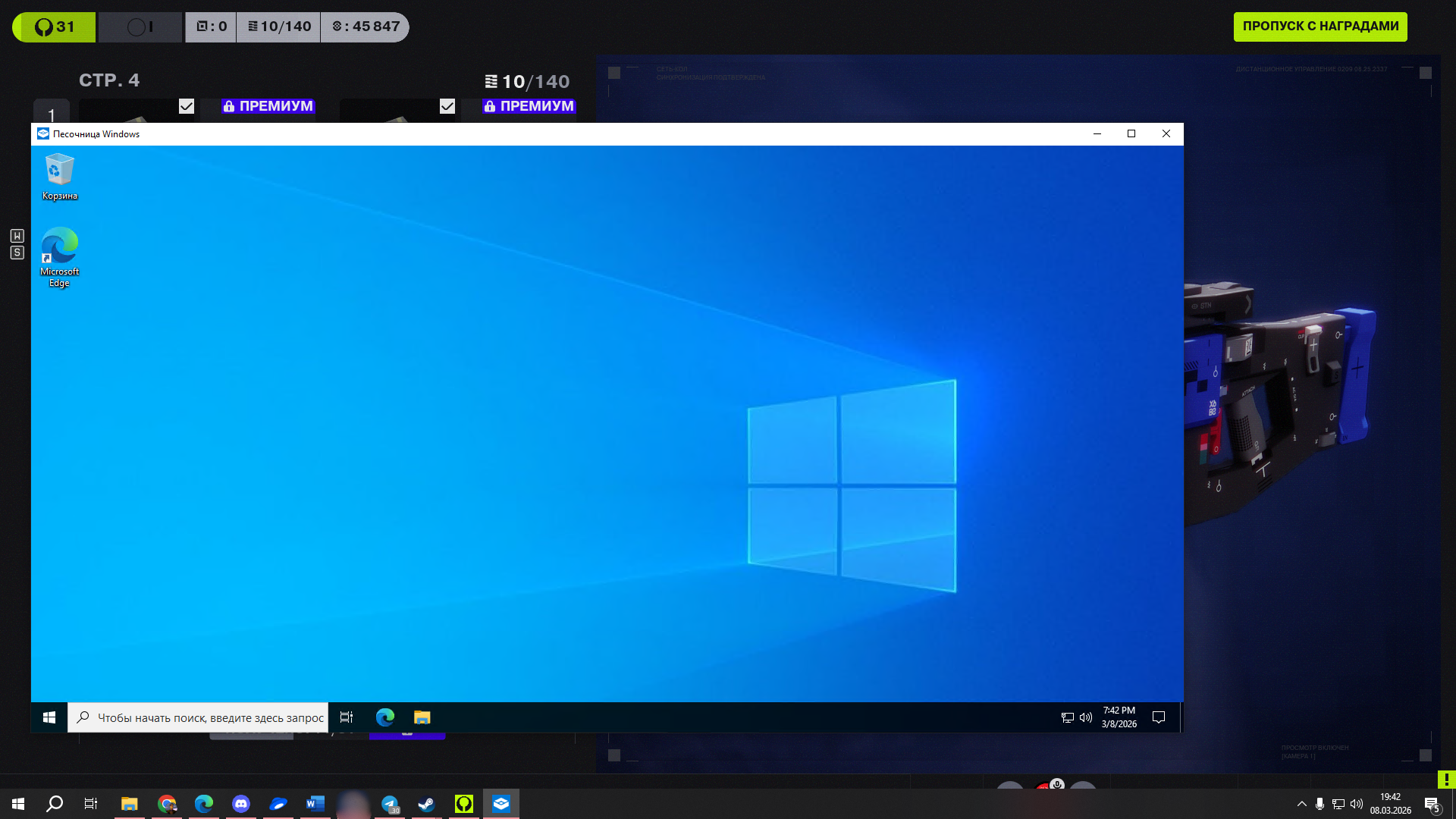
For similar reasons, virtual machines are highly valued in software development, testing, and system administration. They allow users to quickly set up a dedicated environment for a specific task and then easily remove it along with all its contents when no longer needed.
In everyday use, hypervisors typically appear in two main scenarios. First, when a user installs software like VirtualBox, VMware, or Windows Sandbox to create a virtual machine for work, testing, or experimentation. Second, when Windows itself leverages virtualization features for security purposes. In this scenario, critical system components are isolated to prevent drivers and applications from directly accessing them. A user might not even realize a hypervisor is active until they encounter compatibility issues or delve into security settings.
From a security perspective, the hypervisor is considered a layer of elevated trust, occupying the highest level in the “protection rings” hierarchy, known as “Ring -1.” It manages memory, device access, and CPU operating modes. Consequently, any error within the hypervisor, or if it is inherently malicious, can lead to far more severe consequences than a typical virus infection.
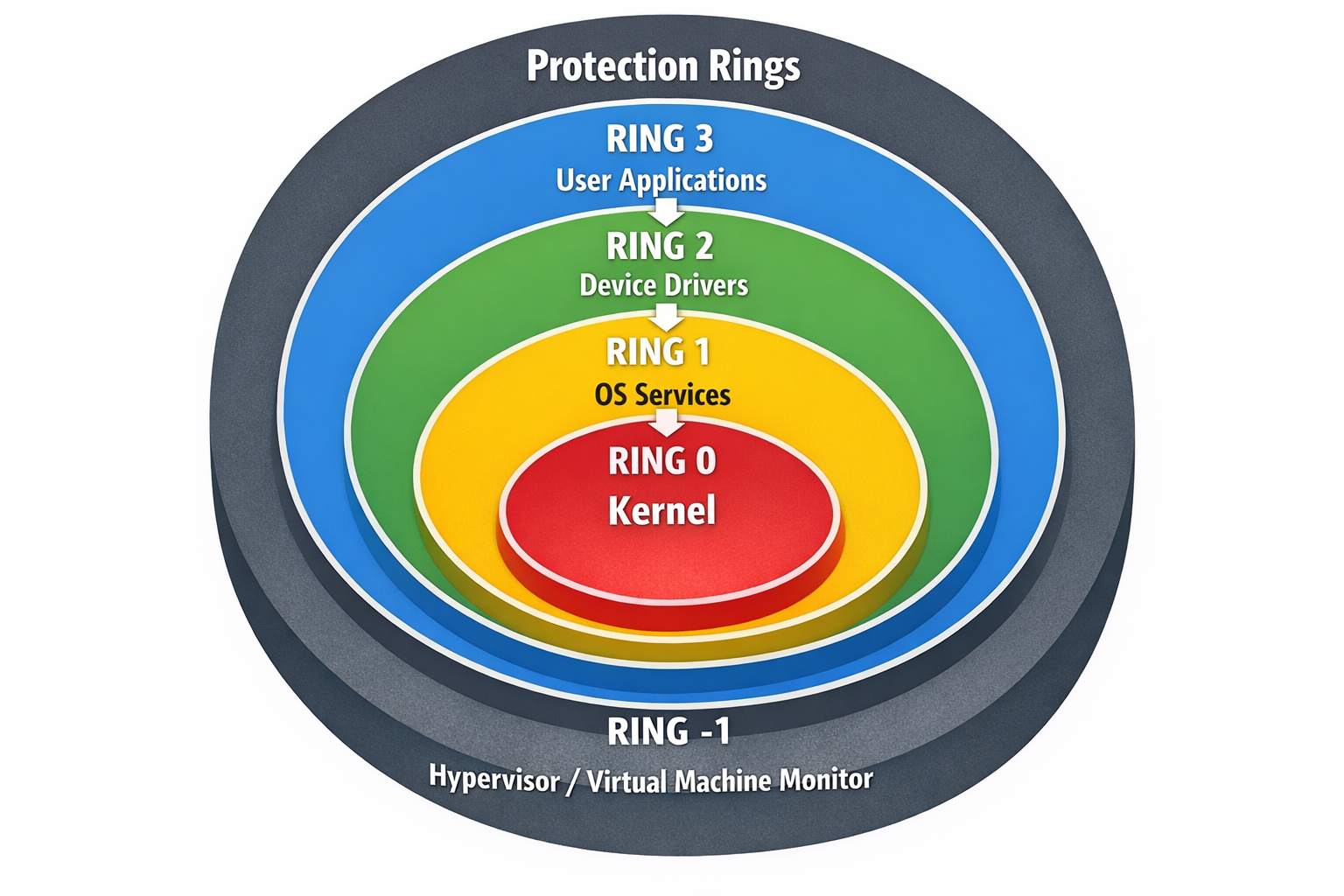
A regular program operates within user privileges and system limitations. A hypervisor and its drivers, however, function closer to the system’s kernel, possessing significantly higher privileges. Therefore, installing anything that interacts with the hypervisor carries a much greater level of risk than installing a standard utility.
Prior Uses of Hypervisors in Gaming
Within gaming communities, the hypervisor was long a niche topic. It was primarily used by those running games not on a “clean” home OS, but within a virtual machine. This approach was common in cloud gaming, where the game runs on a remote server and the user streams the visual output. Some clever players also used it for botting in free-to-play games.
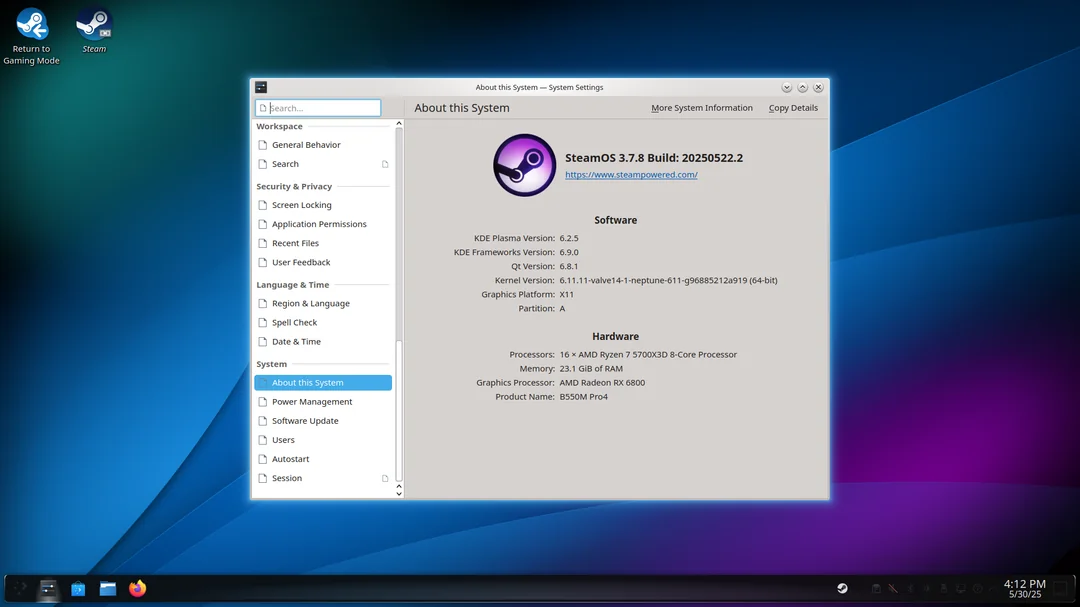
Another group of hypervisor users was tied to Linux, which traditionally lacked native game compatibility. They would set up Windows-based virtual machines for gaming. However, game developers now actively prevent the use of VMs in their live services. On the flip side, Linux today offers dedicated gaming distributions and configurations with pre-configured Steam, Proton, drivers, and other tools. These are compatible with most projects, often delivering technical performance (frame rates, hardware load, etc.) comparable to, or even better than, Windows.
A darker aspect of hypervisor use is its connection to cheating. It’s valued for its ability to operate “below” the game itself and bypass many conventional detection methods. In 2025, researchers detailed a cheating scheme leveraging virtualization, using a virtual machine and hypervisor to stealthily gather game data and develop cheats like radar and aimbots.
However, discussions about hypervisor-based cheats date back to 2017. Early versions were reportedly used in CS:GO on FaceIt servers, whose anti-cheat system at the time was more effective than many others. It could detect disguised DMA cards and identify hypervisor cheats by analyzing computer response times.
Against this backdrop, developers also began to scrutinize system states more deeply. Currently, all modern versions of popular anti-cheat systems require kernel-level access.

At that time, these were the primary applications of hypervisors. Many of these methods have either become outdated or are not widely adopted due to their high barrier to entry. However, in late 2025, the gaming community discovered a new, unexpected application of hypervisors: from pirates.
The Battle Against Denuvo
The first news of these hypervisor-based cracks emerged in December 2025, with a test bypass for Persona 5 Royal explicitly mentioning the use of a hypervisor. By February 2026, Stellar Blade, Assassin’s Creed: Shadows, and Avatar: Frontiers of Pandora were similarly affected, and in early March, Resident Evil: Requiem joined the list. All these titles featured Denuvo anti-piracy protection, against which an active struggle has been waged for over a decade. The adoption of hypervisors marks a new phase in this ongoing battle.
It’s important to note that Denuvo’s developers assert their protection system isn’t designed for permanent game blocking. Its primary goal is to safeguard the initial sales window, preventing pirated copies from appearing within the crucial first weeks or months post-release. Denuvo operates atop existing DRM schemes, hindering code manipulation, debugging, and analysis of internal checks. Publishers thus use it as a strategy to buy time during the most vital sales period.
Beyond its anti-piracy function, players’ main grievance with Denuvo for years has been its perceived impact on performance. While the developers claim that proper integration shouldn’t hinder gameplay, real-world experience often depends on the quality of implementation. In the late 2010s, many content creators routinely demonstrated how cracked games often ran significantly better than their Denuvo-protected licensed counterparts. Similar reports are now surfacing as developers remove the controversial protection, leading to sudden performance improvements in their titles.
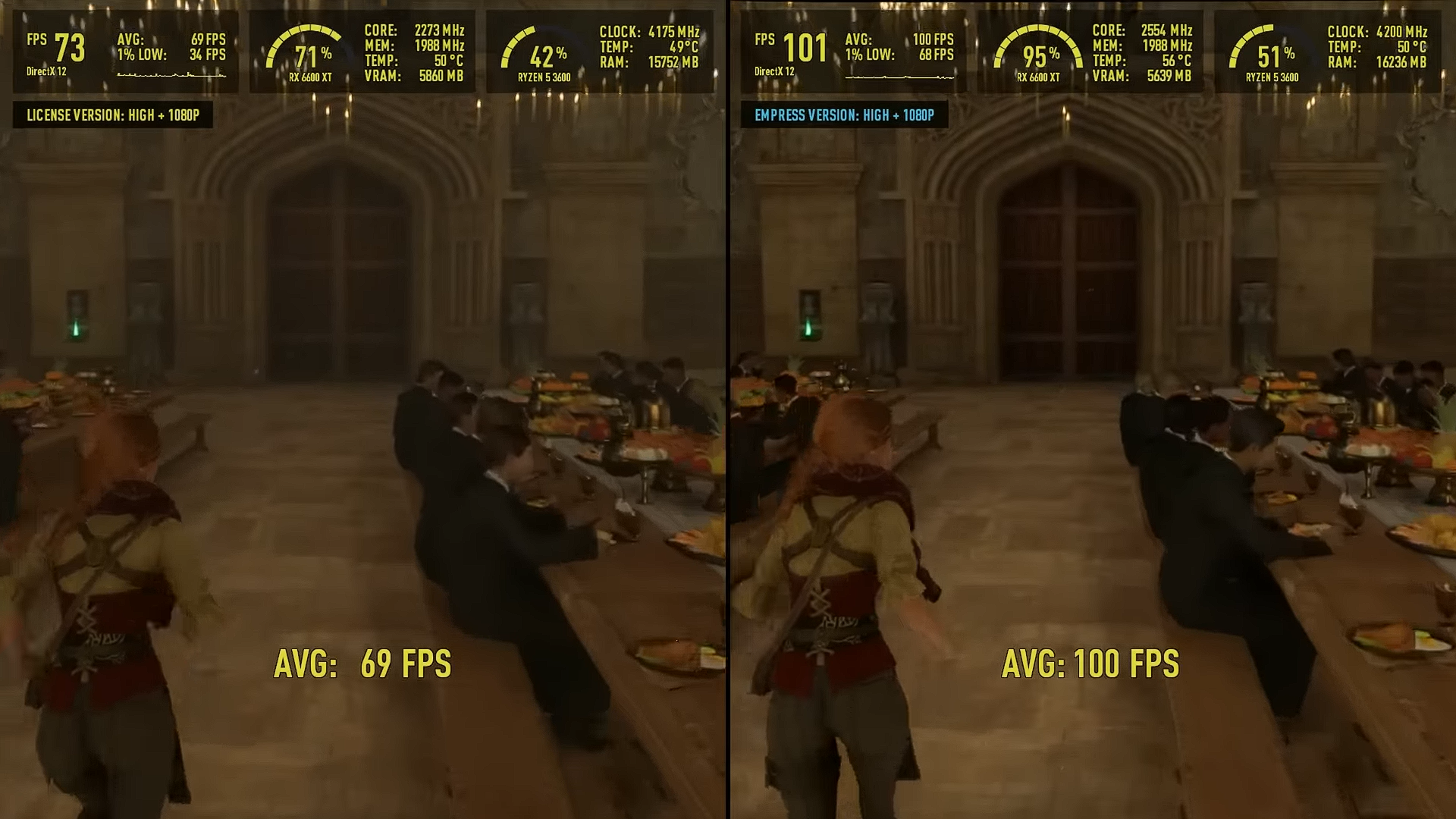
Denuvo isn’t bypassed with a single universal solution. The protection is embedded uniquely into each game, encrypting parts of its code, meaning each major release requires almost manual disassembly. The cracking community itself has described this as a meticulous process of entirely removing the protection and restoring the original function logic. For this reason, few prominent figures have consistently challenged Denuvo. In the mid-2010s, 3DM openly discussed its complexity. Later, Voksi became one of the most well-known adversaries of the protection. However, today, many users primarily remember only one Denuvo opponent: the hacker known as EMPRESS, who reportedly retired from cracking in 2024.
Denuvo’s peak effectiveness is generally associated with the period after 2018–2019, during which the protection was continually refined. Consequently, the number of individuals skilled in bypassing Denuvo steadily diminished. Following the Voksi incident and the departure of other prominent figures, there were almost no public crackers left capable of consistently breaking new versions of the protection.
Amidst this, rumors circulated within piracy communities that Denuvo’s creators were recruiting individuals known for cracking their system, leading to “ethical” scandals within the scene. For these reasons, Denuvo was largely considered uncrackable in recent years. With the advent of hypervisor-based methods, the situation has completely shifted, though the broader audience isn’t entirely pleased about it.
The “Perfect Crack” Dilemma
Despite their highly publicized successes, the new wave of hypervisor-based bypasses hasn’t been universally welcomed. Early releases often required disabling PC security features and manually adjusting BIOS settings, which immediately raised red flags for many. Today, Secure Boot and TPM 2.0 are integral to modern anti-cheat systems. This creates a peculiar dilemma for gamers: to play a single pirated version, they must weaken their system’s security, only to then restart their computer and re-enable those protections to play online multiplayer games without issues.
While configuring BIOS might seem straightforward to some, in practice, a single incorrect step can lead to far more severe consequences than just a non-functional game. If a user switches the system to UEFI and Secure Boot without properly preparing the disk, Windows might fail to boot entirely. Microsoft has also warned that modifications to TPM, boot configurations, or BIOS settings can lock the operating system, potentially requiring a recovery key.
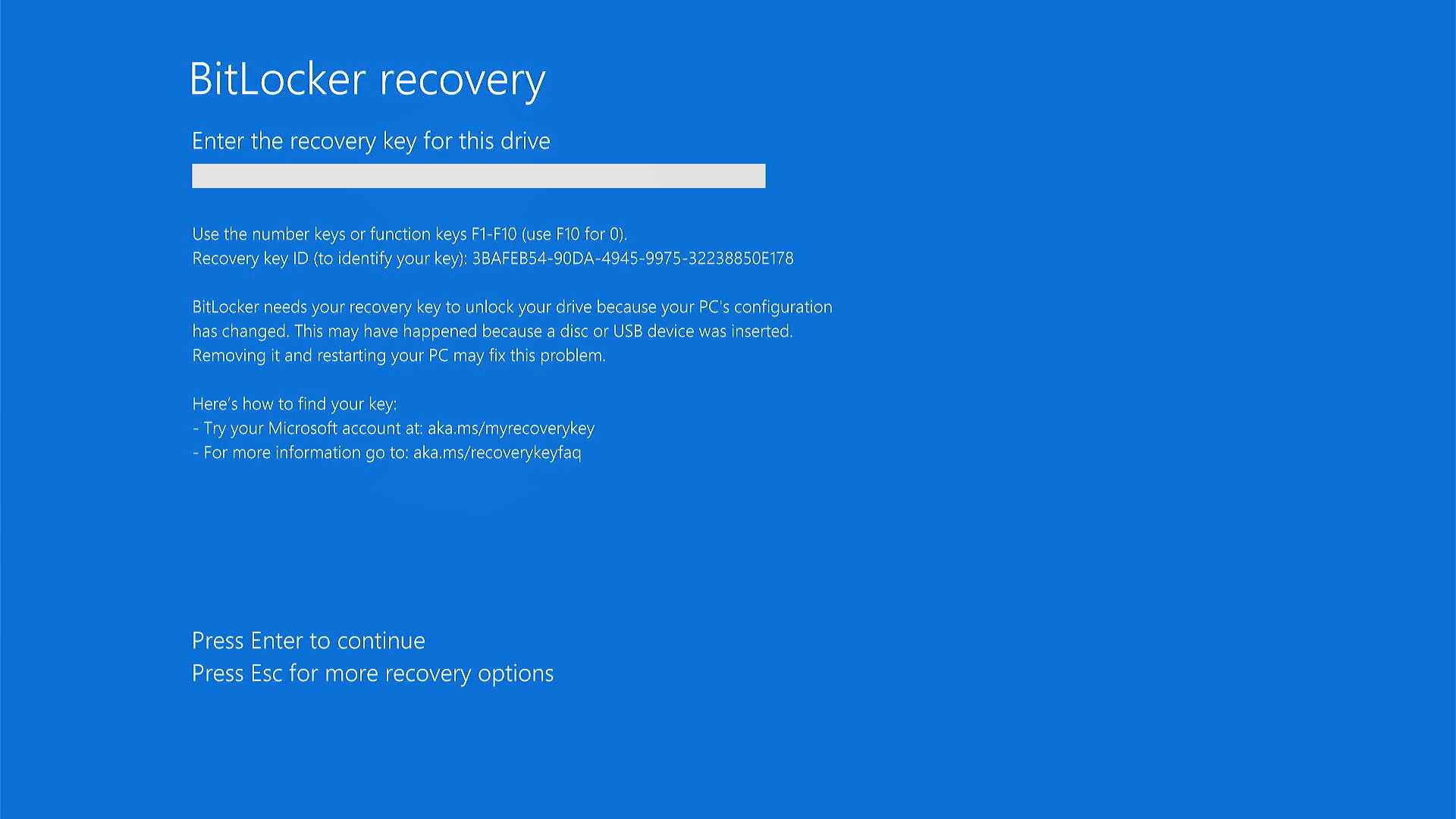
Furthermore, when “zero-trust” security features are involved, driver compatibility becomes another concern: Microsoft warns that incompatibility can prevent the system from booting. In this context, discussions about “memory leaks” are not mere scaremongering; vulnerabilities allowing data exfiltration from virtualized environments have been discovered in both Hyper-V and VMware.
The main debate surrounding these bypasses is no longer about convenience, but security. The new method is not fully understood, yet users are asked to first weaken precisely those mechanisms designed to protect early system boot. Secure Boot is essential for preventing unauthorized code from injecting itself into the PC’s startup process. Microsoft has warned for years about the threat of UEFI rootkits and firmware attacks. Malicious code can embed itself below the Windows level, meaning it can survive system reinstallations and remain virtually invisible to the user. Simply put, when someone is asked to disable security for a “bypass,” they are making their computer vulnerable to a class of threats that operate at the hardware and motherboard firmware level.
There’s also a second layer of risk: malicious code might not come from an abstract external virus, but directly from the pirated distribution itself. Such incidents have occurred before. In 2025 and 2026, researchers documented the spread of miners, loaders, and stealers through pirated games, cracks, and mods. Some campaigns masqueraded as torrents for popular games, while others pretended to be “harmless” cracks or modifications. For the user, there’s little difference: they download an unknown build and have no way of knowing who inserted the malicious file—the bypass creator, the repacker, or a subsequent distributor. Thus, the discussion about hypervisors quickly moves beyond piracy and boils down to a fundamental point: unknown code demands maximum trust.
Against this backdrop, the emergence of the so-called “Hypervisor 3.0” doesn’t resolve the core concerns. While this new utility eliminates the need to manually enter BIOS and alter settings each time, from an information security standpoint, it remains a black box. Users have no insight into how the program truly functions, what system changes it implements, what it disables along the way, or whether it leaves new security vulnerabilities in its wake.
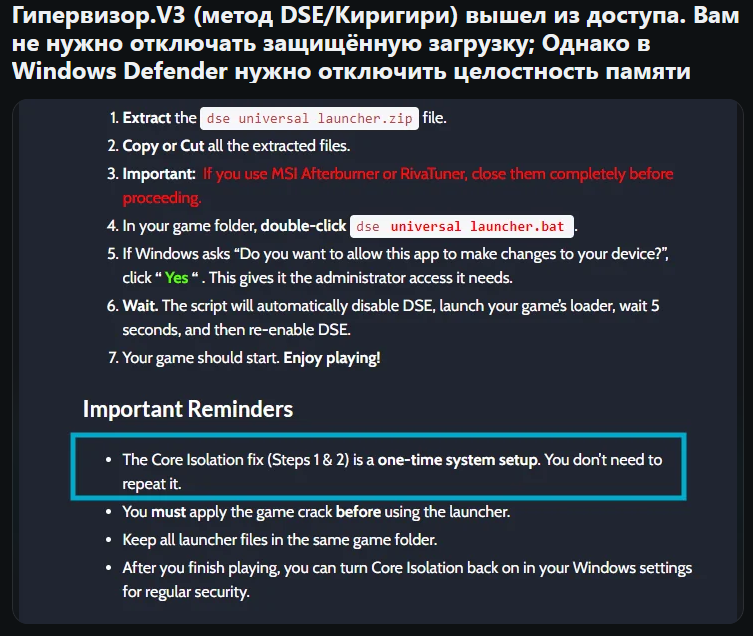
In other words, while the process appears more convenient, the underlying problem persists: instead of manual BIOS manipulations, users are now asked to simply trust an unknown executable file that gains access to the most sensitive parts of their system.
What’s Next?
Today, the hypervisor is not only a component of modern Windows security but also a foundation for cheats and, simultaneously, a new attack vector for those attempting to bypass DRM. This has ignited a distinct struggle: security developers fortify systems, while hackers seek even deeper access. The inherent problem is that this environment is highly sensitive to errors. A single incorrect action can result in a broken boot, a blue screen of death, or other critical system failures.
The desire to play expensive games without significant cost is understandable. Many new releases cost $70, and for some, pirated versions offer a way to experience a title without purchasing it. However, this doesn’t change the fundamental truth: no game is worth disabling your computer’s security and granting maximum privileges to unknown code. A few hours of entertainment do not justify the risk of losing access to your system, data, or even the device itself.
Nonetheless, the hypervisor method itself should not be dismissed as useless simply because it is new and controversial. If it genuinely works and doesn’t raise serious concerns, this will become apparent not on release day or from initial enthusiastic reports. It is wiser to be patient and wait several months. During this time, it will become clear how such a bypass performs in practice, what failures it causes, and what security issues ordinary users encounter.
Even more crucial is awaiting analysis from independent programmers and security specialists. Only such an audit can reveal the true security of the hypervisor, precisely what it alters in the system, and how transparently it operates for the user.
Until such validation occurs, remember: any unknown software can lead to unpredictable consequences.