

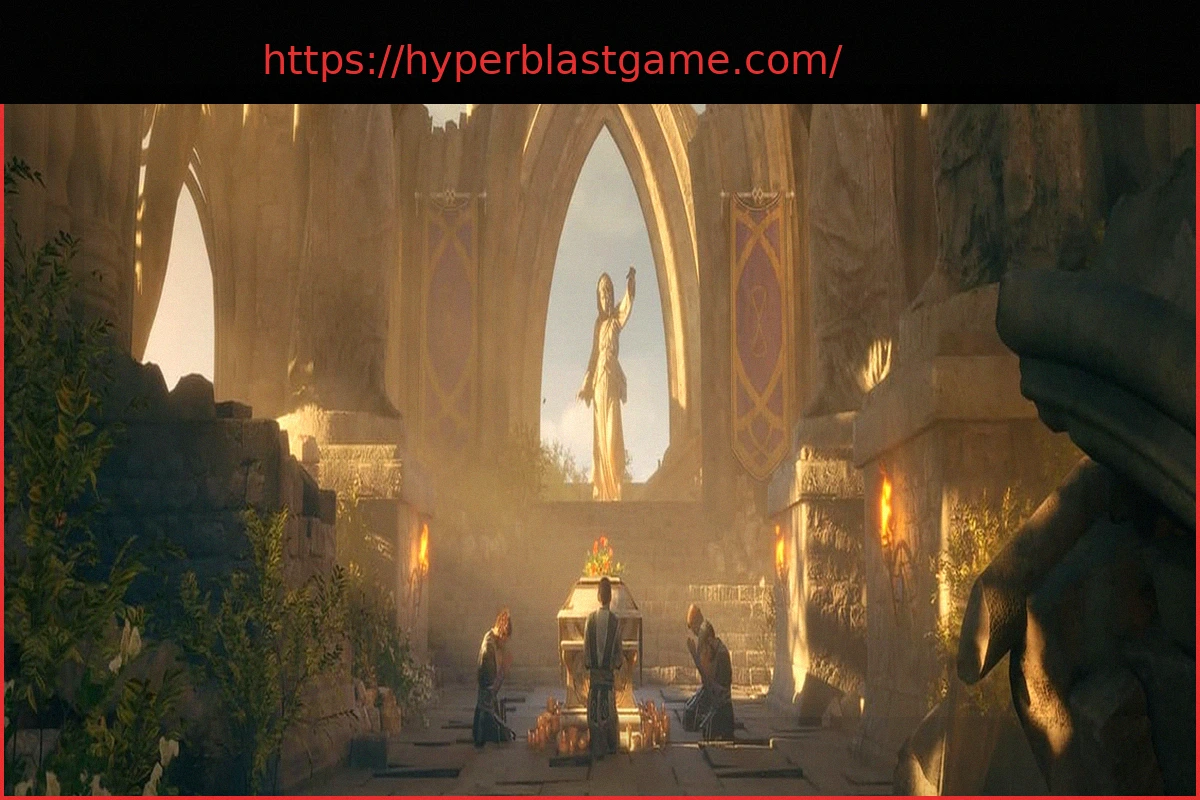
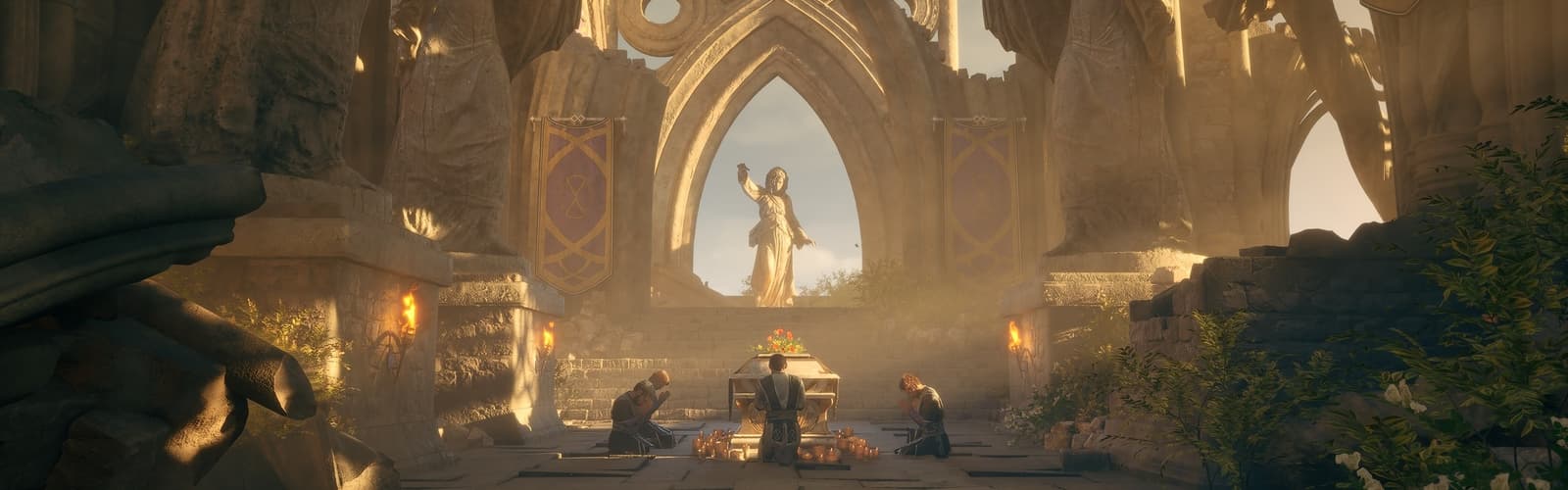
Tactical Adventures’ new party-based RPG, Solasta II, shares many similarities with Baldur’s Gate 3: deep D&D-based tactics, excellent presentation, and non-linearity. However, its core distinction lies in managing not random adventurers, but an entire family. In this early access review, we explore its ambitious mechanics alongside optimization challenges, explaining why, despite its potential, it might be too soon to add the game to your library.
A Family-Centric RPG
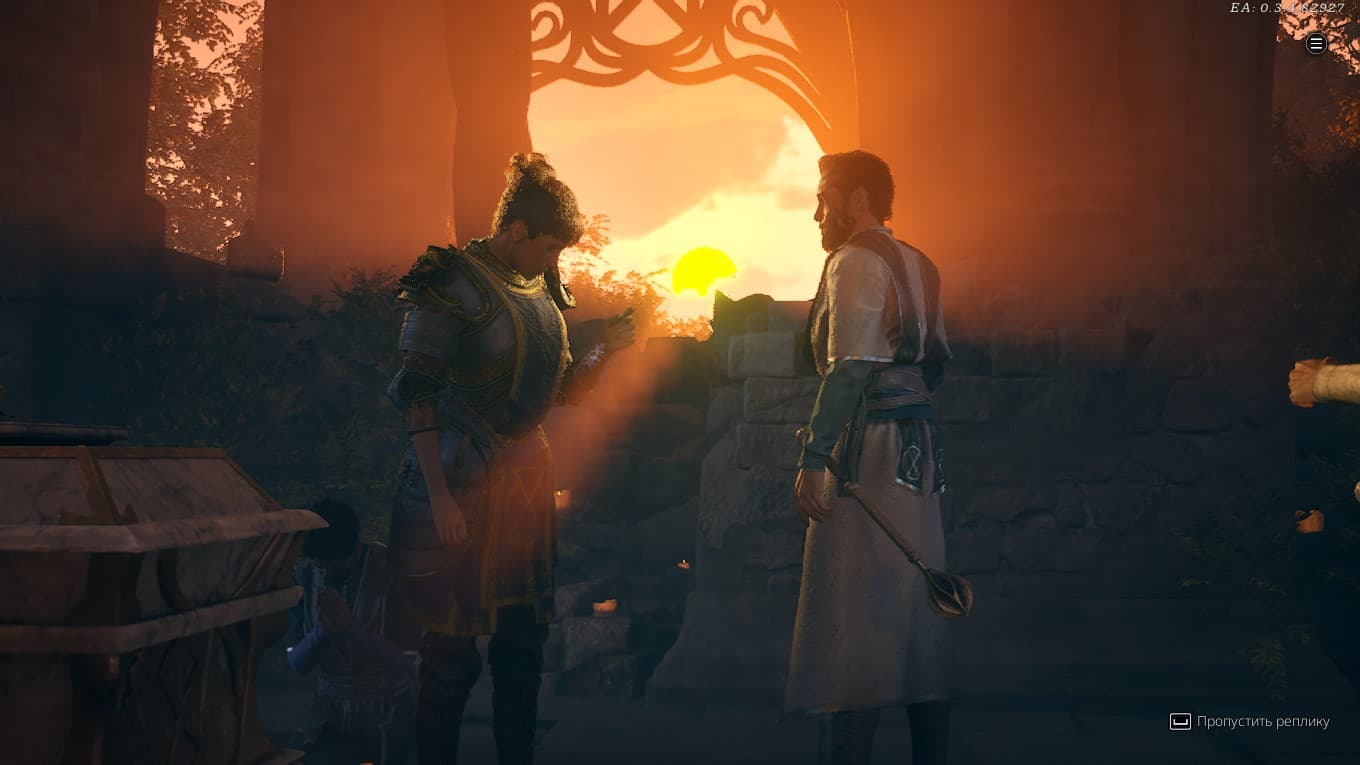
Solasta II is a tactical party-based RPG where players control Lord Colwall’s adopted children. The story kicks off at their adoptive mother’s funeral when the goddess Maraika teleports the family to the continent of Neocos. Here, they must find a missing sister and fulfill a mission inherited from their mother: stop the witch Shadwin, who is spreading corruption across the continent. The early narrative, with its mysterious visions and unclear objectives, bears some resemblance to Baldur’s Gate 3.
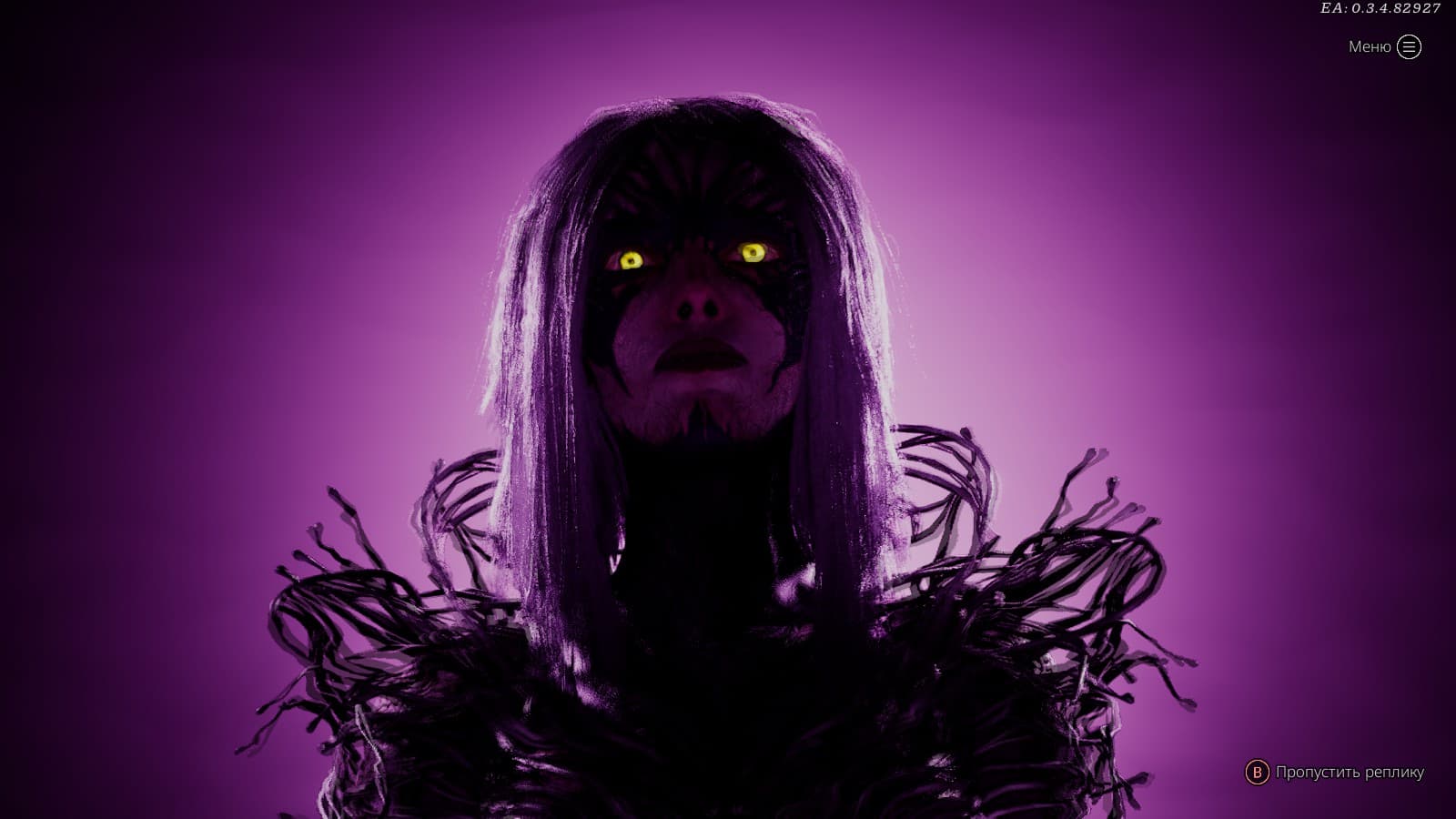
Unlike Larian Studios’ approach, dialogues here involve the entire party, with response options influenced by each protagonist’s personality and assigned family role (e.g., ‘Golden Child’ or outcast). This creates a uniquely warm atmosphere for family adventures, where characters constantly tease each other and discuss minor details. Temporarily joined companions are also controllable. The absence of romances is due to the characters’ familial relationships, though developers might add options with external companions later. Secondary characters, like Madam Anabasia, are well-developed and intriguing.
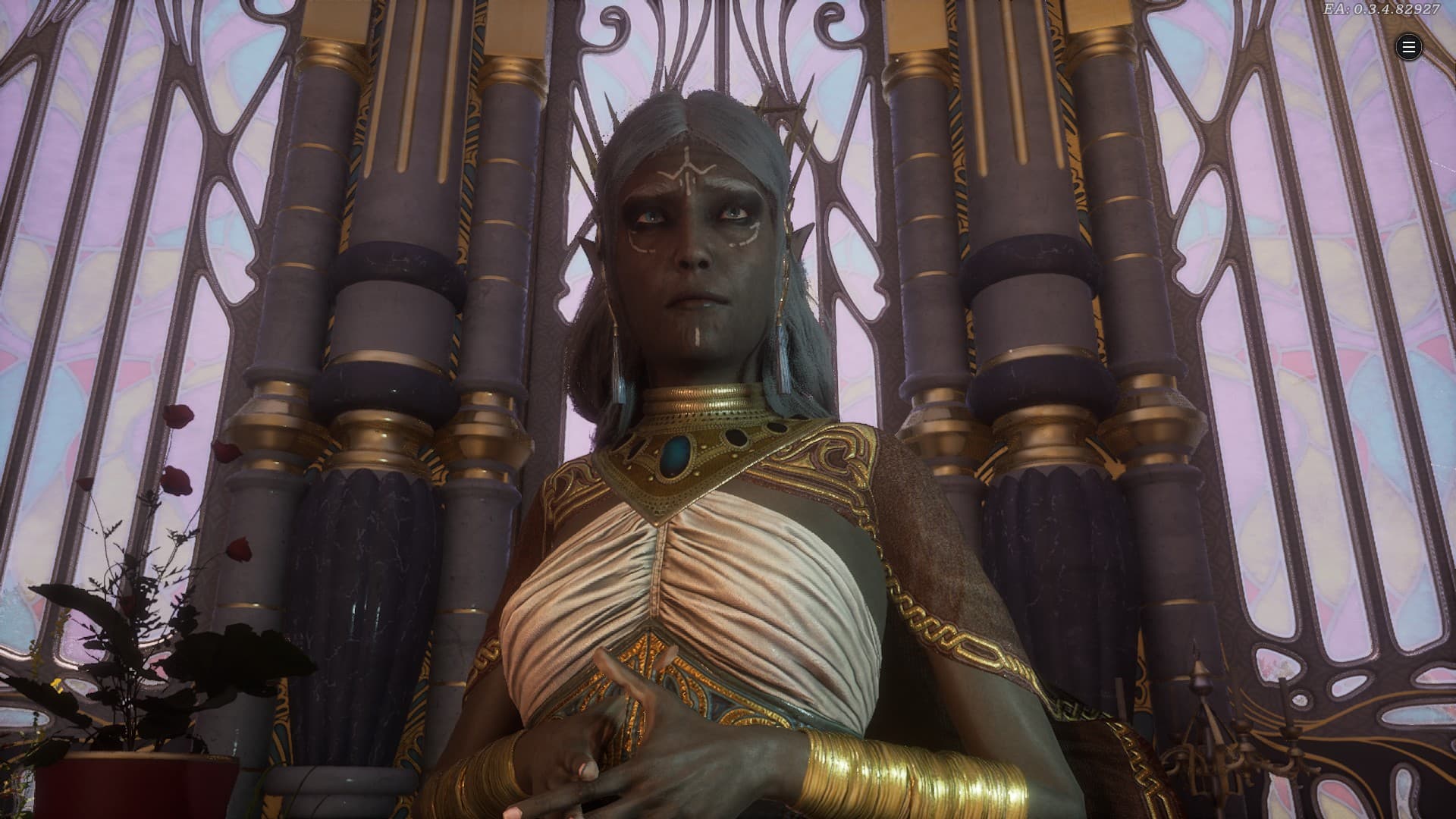
The game also shares a cinematic presentation with Baldur’s Gate 3, featuring numerous well-directed cutscenes and dialogues. The main early access storyline takes about seven hours to complete, and while side quests are few, they are well-written and expand the world’s lore. Overall, early access offers 10-15 hours of gameplay.
D&D in its Own Universe
Solasta II is deeply rooted in Dungeons & Dragons, utilizing the open D&D 5th Edition (2024) ruleset. This includes the d20 roll, resting mechanics, spells, and branching dialogues. However, dice rolls occur in the background, with players only notified of success or failure. This makes them less predictable than in Baldur’s Gate 3, complicating ‘save scumming’.
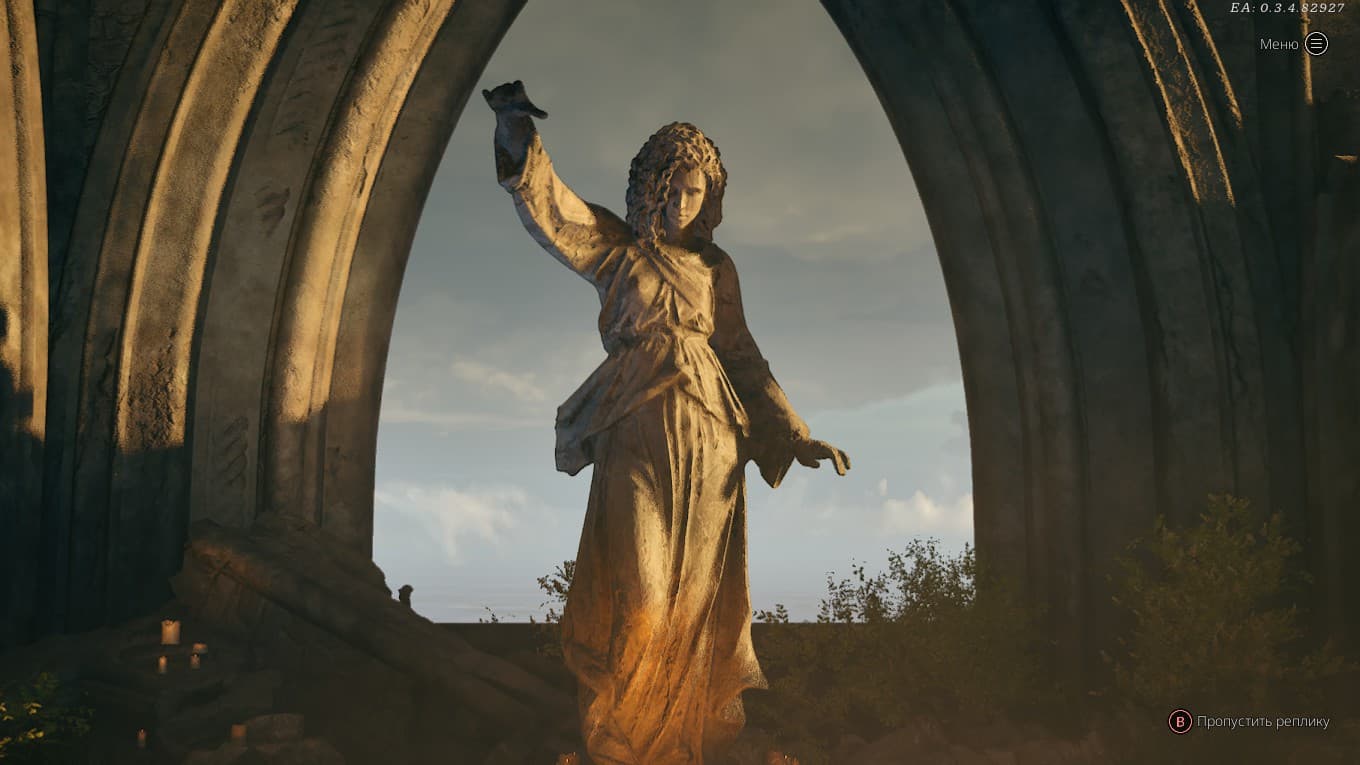
Character creation is flexible, offering four options: from full manual customization (stats, background, class, race) to automatic party generation. Early access provides six classes (Warrior, Rogue, Paladin, Wizard, Cleric, Sorcerer) and thirteen subclasses, many unique to the Solasta universe, with the exception of the Cleric, whose subclasses are closer to classic D&D. Multiclassing is possible but limited by the current level cap. Developers promise to expand class and subclass options and raise the level cap in the future, with experience continuing to accrue even after reaching the current maximum.
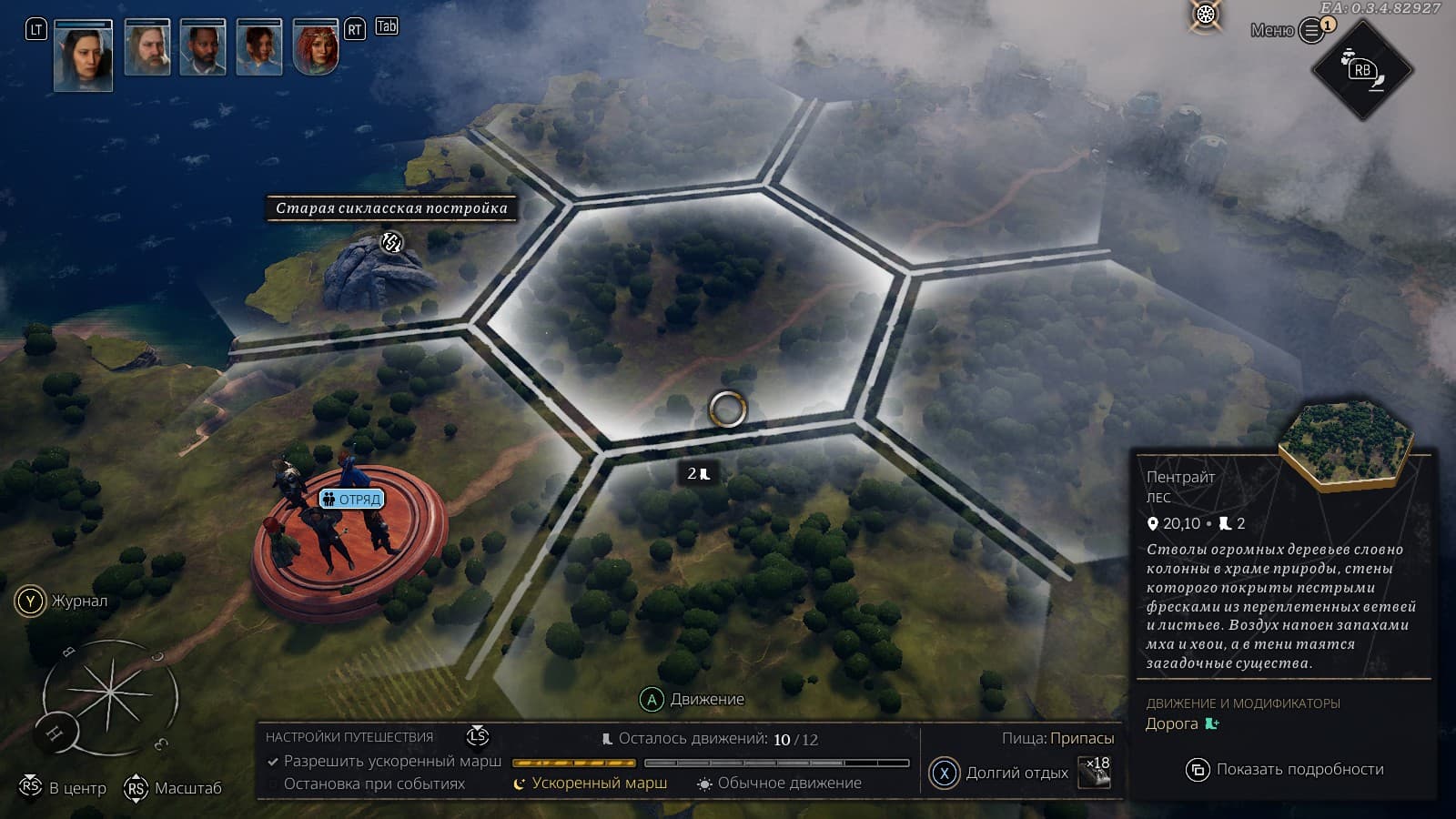
The game world is a network of small locations connected by a hexagonal global map, similar to Pathfinder. Movement is limited by energy, restored through resting, which makes provisions plentiful. The global map features both scripted and randomly generated events, from ambushes to humorous dice-roll dialogues, all yielding valuable experience. A faction system is also present, where increasing trust through actions and dialogue currently only grants store discounts, a feature developers hope to expand in the future.
Exploring locations is streamlined with chests shown on the mini-map and highlighted resources. While many items can be found, most currently lack practical use beyond selling, as the crafting system is not yet implemented. It’s also unclear how to use unusual equipment or scrolls meant for item identification – this could be a bug, an oversight, or an early access limitation.
An Attempt to Reinvent D&D Battles
Solasta II’s combat system initially appears standard for D&D, featuring movement, action, and bonus action per turn. However, its unique selling point is the ability to ‘prepare actions,’ allowing players to pre-set tactics, such as automatically using a skill when an enemy approaches or instantly healing an ally. The cover mechanic is also effective, reducing the chance of being hit, complemented by impressive miss animations.
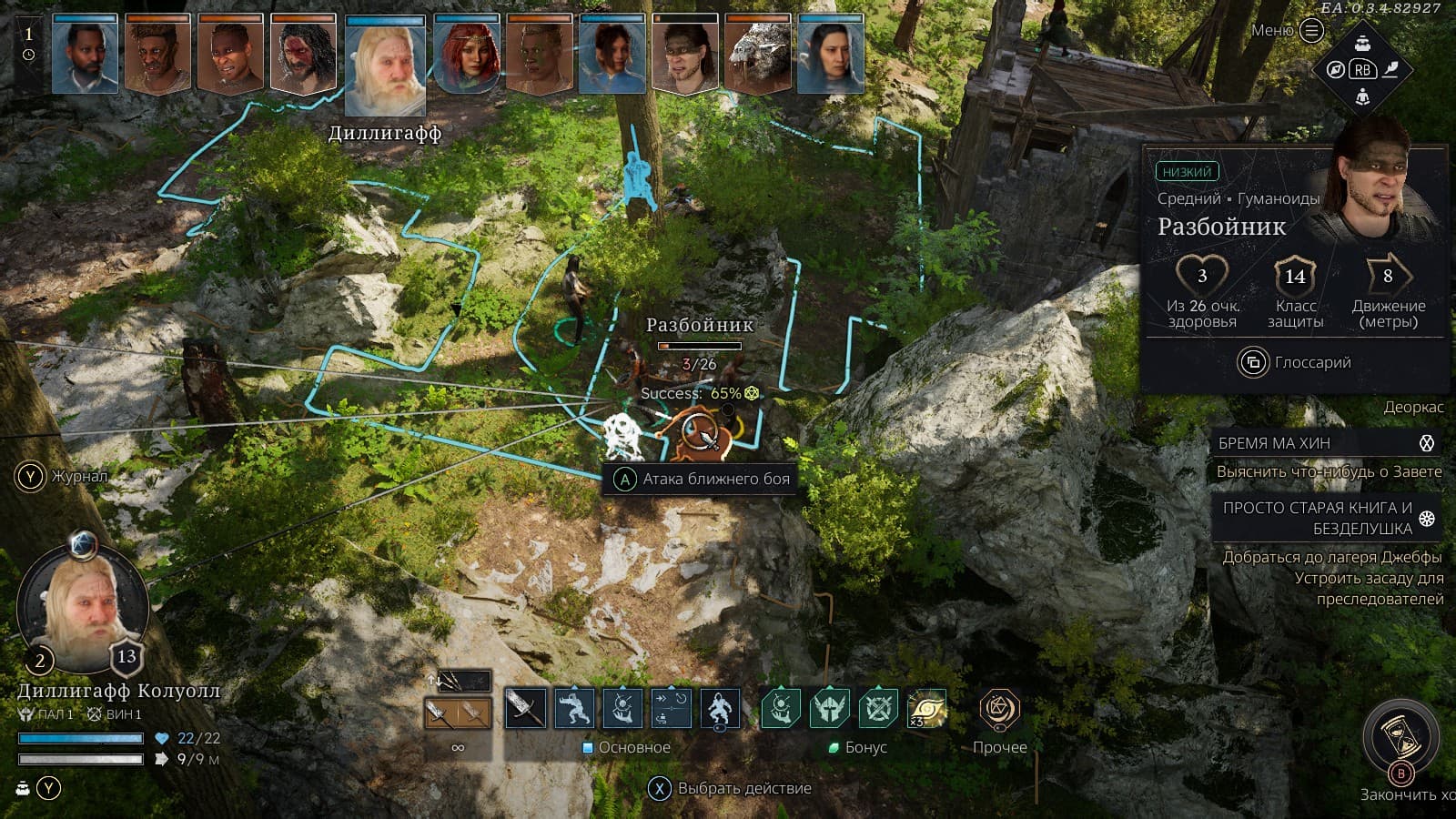
The game offers two difficulty levels: ‘Explorer Mode’ and ‘Authentic Mode,’ which differ not just in basic numbers but also in deep settings for damage modifiers, attack rolls, skill checks, saving throws, healing efficiency, and encumbrance. This allows players to customize the experience from a pleasant stroll to a hardcore challenge. Controls are well-adapted for both keyboard and mouse and gamepad, allowing switching between cursor-based commands and direct movement, as well as camera zoom for a near-third-person view. The interface, while gamepad-friendly and good for categorizing skills, has some flaws, such as the non-obvious display of remaining spell slots.
Early Access Flaws
Solasta II’s main issue is its unpolished technical state in early access. Each launch involves shader compilation (due to the switch to Unreal Engine 5), and crashes, especially when transitioning to the global map, are frequent. Frame rates are critically low, sometimes dropping to single digits, which mars exploration and cutscenes. While upscalers like FSR with frame generation can improve performance at the cost of image quality, the FPS situation has slightly improved in the later early access locations.
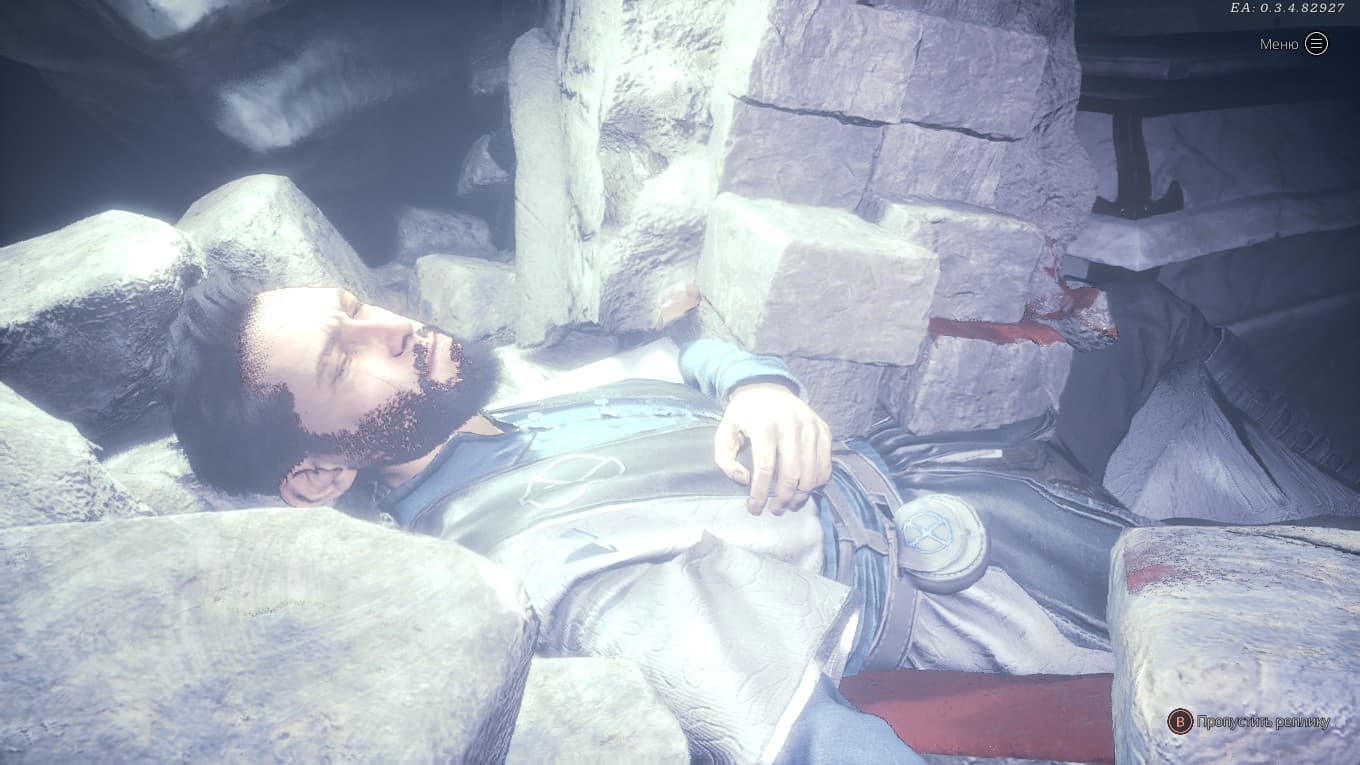
Numerous bugs are present: graphical issues (fluctuating lighting, incorrect character colors), collision errors (jerking bodies), AI bugs (enemies freezing in combat), critical save errors leading to crashes, and interface problems (difficulty selecting objects/enemies).
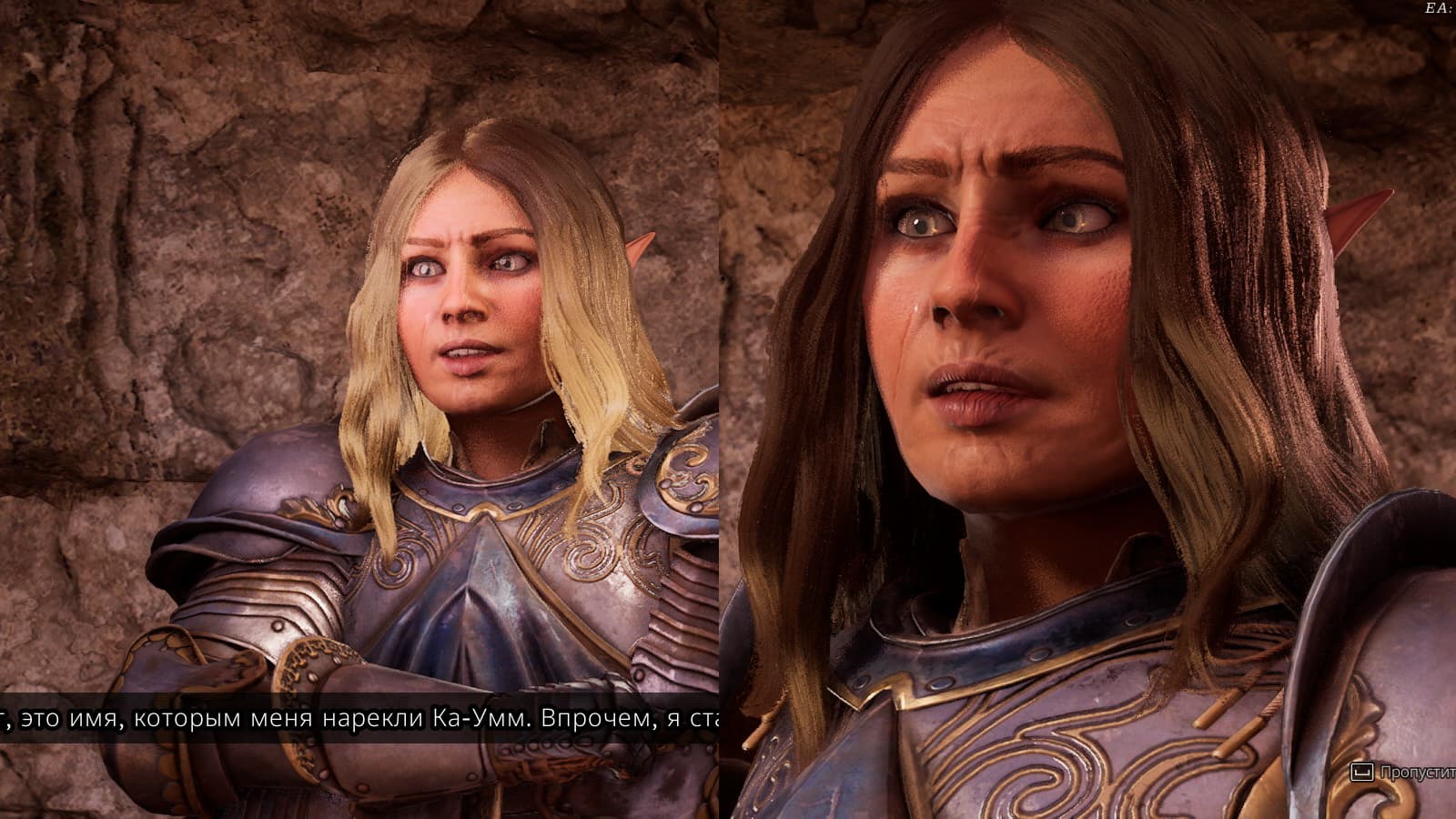
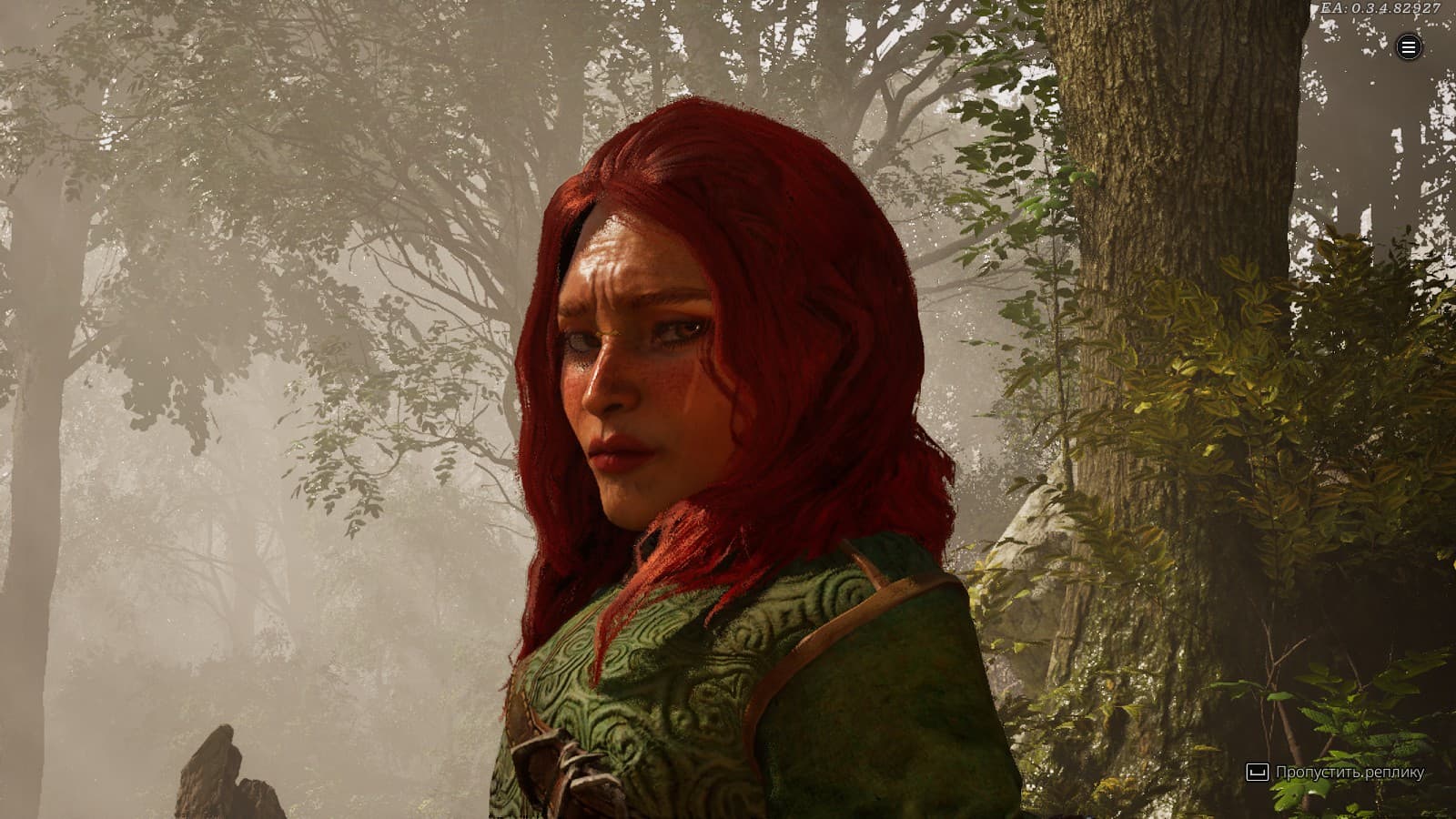
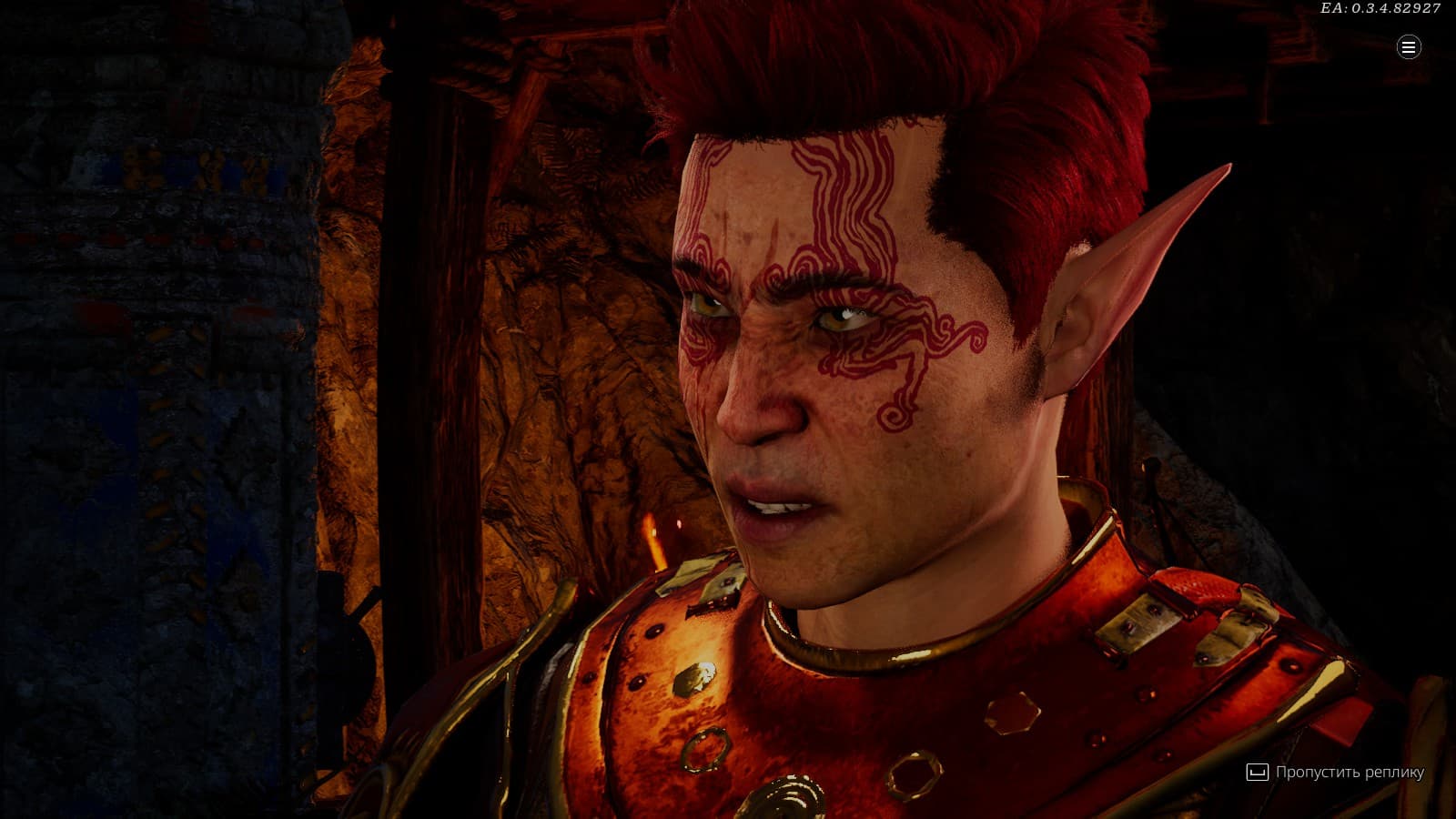
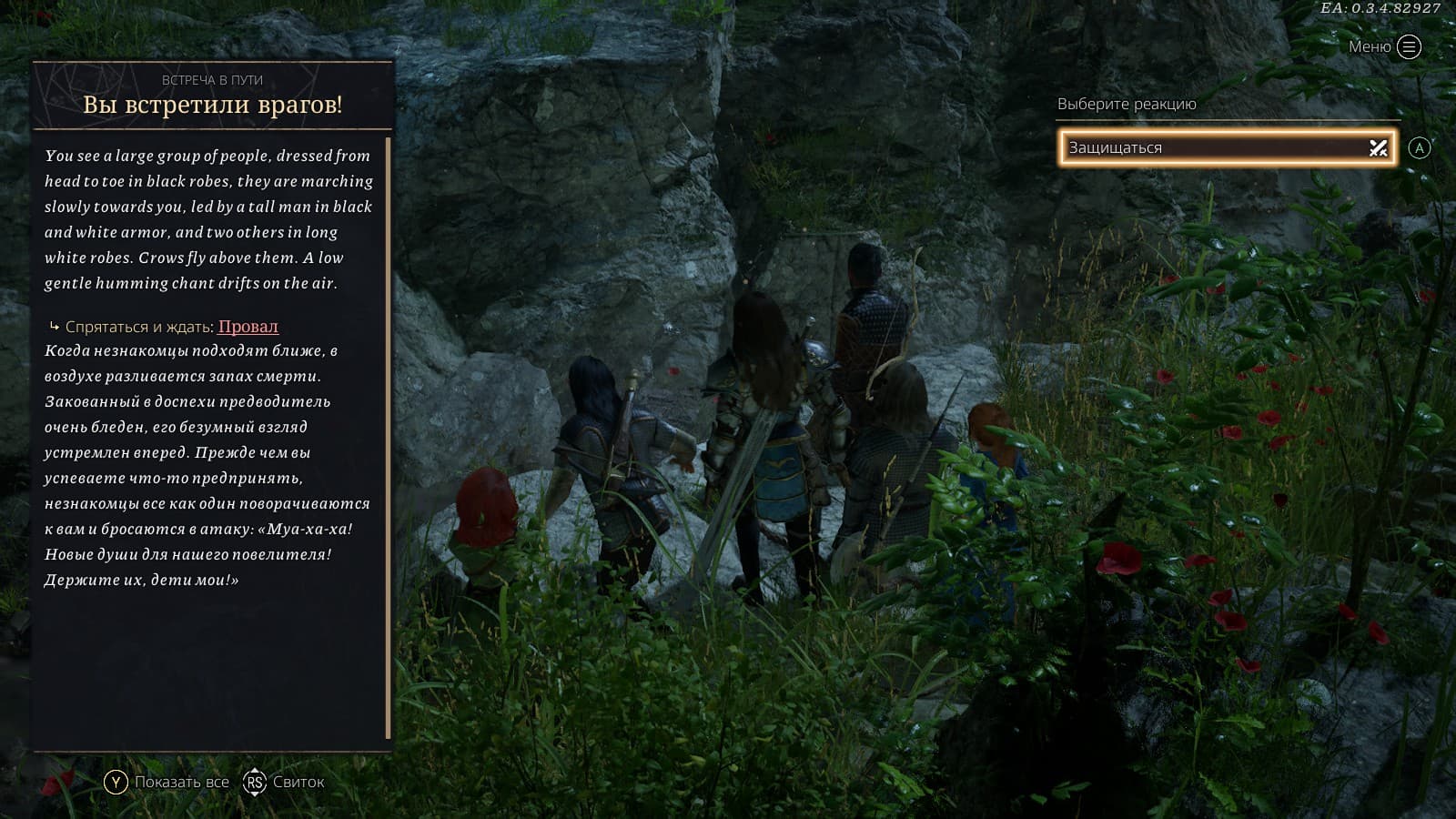
Furthermore, character graphics and face designs are questionable—they appear sullen, expressions are weak, and specific lighting creates an ‘uncanny valley’ effect, though developers promise fixes. In-game character animations are simple and jerky, contrasting with smooth cutscenes, likely a budget constraint. The character editor is limited in assets, making it challenging to create appealing heroes, but improvements are also promised. The Russian translation is good but incomplete, with interspersed English text and untranslated interface elements.
Verdict
Solasta II is a promising CRPG that strives to surprise. It offers a unique family theme, deep world lore, and innovative combat mechanics like ‘prepared actions’ that refresh D&D gameplay. The game allows for meaningful role-playing, for instance, choosing between befriending monsters or destroying them, which affects factions. Solasta II can engross players, much like Baldur’s Gate 3, were it not for its unpolished technical state, which constantly breaks immersion. Considering only 35 people are working on the game, its ambitions are impressive.